

 English
 Français
 Spanish
 Deutsch
 Português
 Türkçe
 Italiano
 العربية
 Русский
 Chinese
 Korean
 Vietnamese
 Hebrew
 Hindi
Hindi
 Greek
Greek
 Polish
 Thai
Thai
 Dutch
Dutch
 Malay
Malay


Soybeans Trading: A Comprehensive Guide
Soybeans are a globally traded commodity, playing a crucial role in the food and agriculture industries. Understanding the dynamics of soybeans trading requires a grasp of technical analysis, market drivers, and effective risk management strategies. This guide provides a comprehensive overview for both novice and experienced traders.
Understanding Soybeans Market Dynamics
The soybeans market is influenced by a variety of factors, including weather patterns, global demand, and government policies. Key players include farmers, processors, exporters, and speculators. Monitoring these factors is essential for making informed trading decisions.
Key Market Drivers
- Weather conditions in major growing regions (US, Brazil, Argentina)
- Global demand for soybeans and soybean products (oil, meal)
- Government policies and trade agreements
- Currency fluctuations
- Speculative trading activity
"Weather is the single most important factor influencing soybeans prices. A drought in the US Midwest can send prices soaring."
Technical Analysis for Soybeans Trading
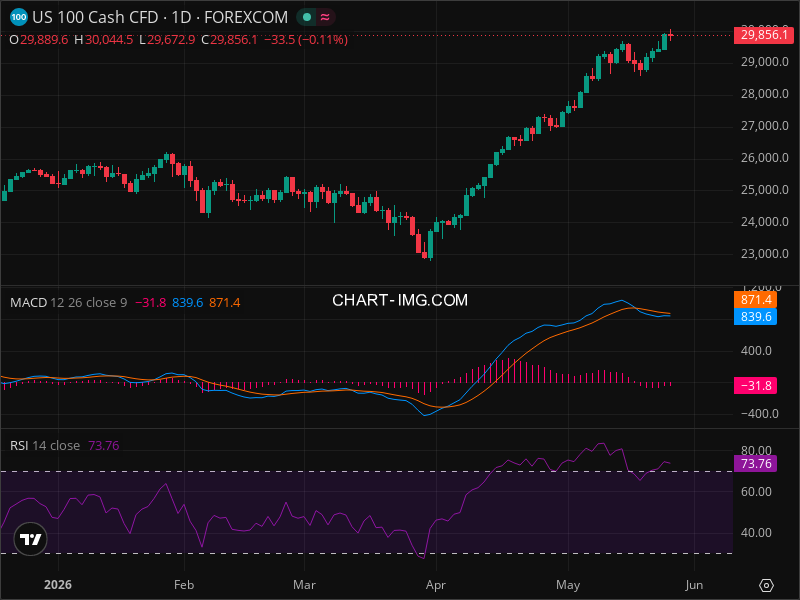
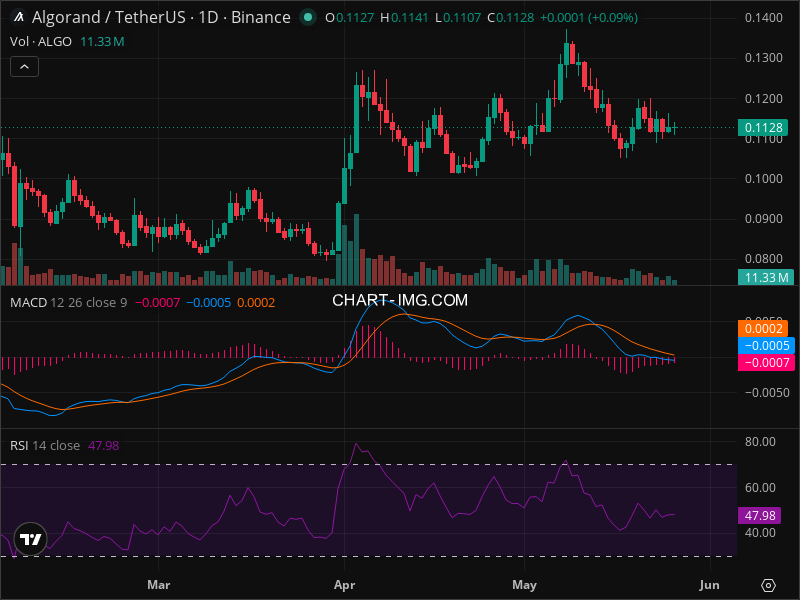
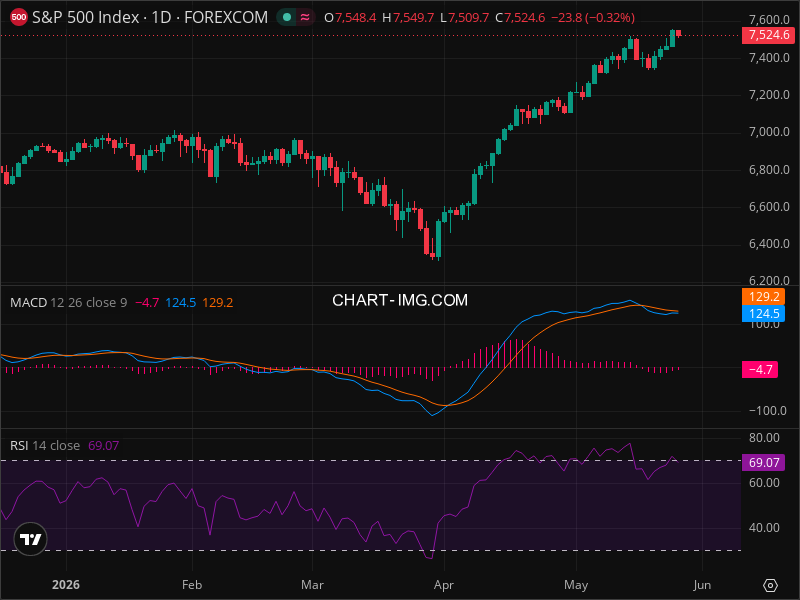
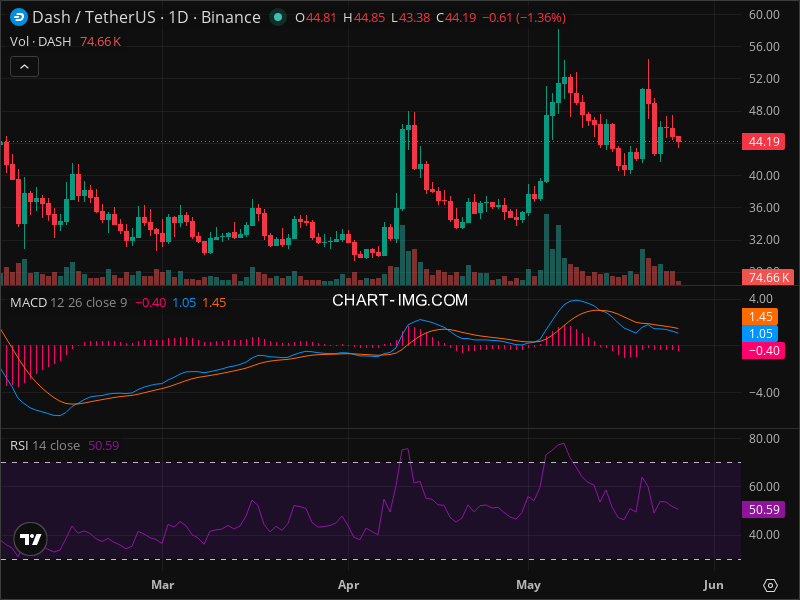
Technical analysis involves studying historical price and volume data to identify patterns and predict future price movements. Traders use various analysis tools and indicators to make informed decisions.
Common Technical Indicators
- Moving Averages (MA)
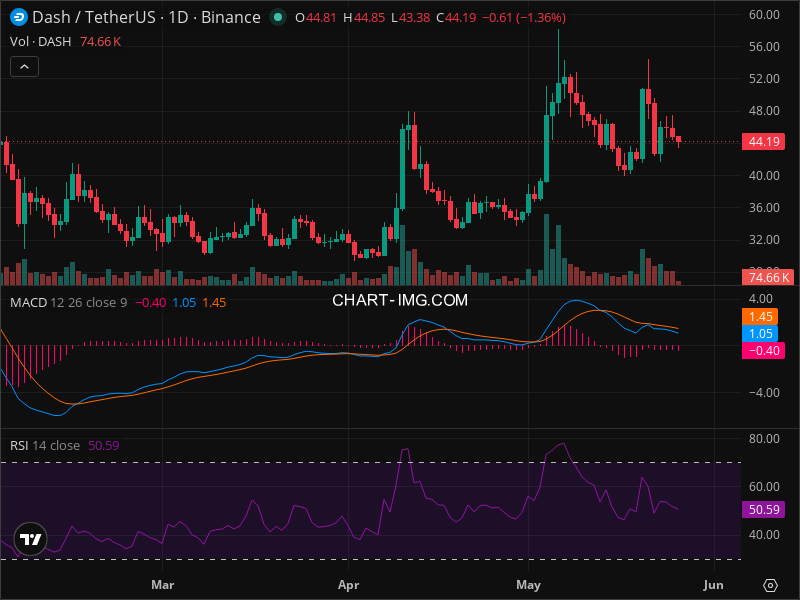
- Relative Strength Index (RSI)
- Moving Average Convergence Divergence (MACD)
- Fibonacci Retracement Levels
- Bollinger Bands
These indicators can help traders identify potential entry and exit points, as well as assess the strength of a trend. Many traders use an AI-powered platform to assist with technical analysis.
Risk Management Strategies
Trading soybeans involves inherent risks, and effective risk management is crucial for protecting capital. Strategies include setting stop-loss orders, diversifying positions, and managing leverage.
Key Risk Management Techniques
- Stop-Loss Orders: Automatically exit a trade if the price moves against you.
- Position Sizing: Determine the appropriate amount of capital to allocate to each trade.
- Diversification: Spread your capital across multiple trades to reduce risk.
- Leverage Management: Use leverage cautiously to avoid excessive losses.
Consider using advanced trading platforms that offer built-in risk management features.
Choosing a Trading Platform
Selecting the right trading platform is essential for a successful trading experience. Look for platforms that offer real-time data, charting tools, and reliable execution. InteractiveCrypto Pro is a popular choice among soybeans traders.
Key Takeaways
Soybeans trading requires a thorough understanding of market dynamics, technical analysis, and risk management. Stay informed, use appropriate tools, and manage your risk effectively to increase your chances of success.











COMMENTS (0)