

 English
 Français
 Spanish
 Deutsch
 Português
 Türkçe
 Italiano
 العربية
 Русский
 Chinese
 Japanese
 Vietnamese
 Hebrew
 Hindi
Hindi
 Greek
Greek
 Polish
 Thai
Thai
 Dutch
Dutch
 Malay
Malay


Cotton Trading Strategies: A Technical Analysis Guide
Cotton, a globally traded commodity, presents numerous opportunities for traders. This guide explores effective cotton trading strategies using technical analysis, risk management, and the potential of AI-powered platform.
Understanding Cotton Market Dynamics
Before diving into trading strategies, it's crucial to understand the factors influencing cotton prices:
- Supply and demand: Global production and consumption patterns.
- Weather conditions: Impact on crop yields in major cotton-producing regions.
- Government policies: Subsidies, trade agreements, and regulations.
- Currency fluctuations: Impact on import and export prices.
Technical Analysis for Cotton Trading
Technical analysis involves studying historical price charts to identify patterns and predict future price movements. Here are some key technical indicators for cotton trading:
- Moving Averages: Identify trends and potential support/resistance levels.
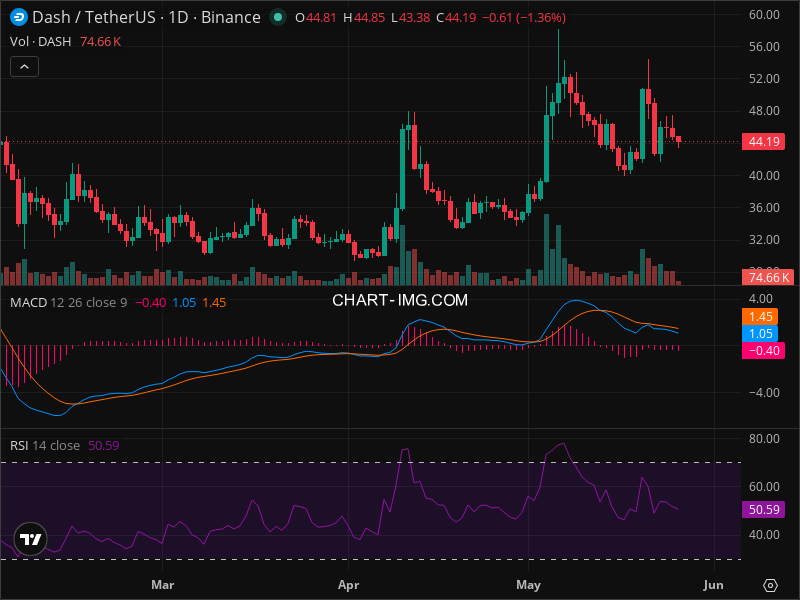
- Relative Strength Index (RSI): Gauge overbought and oversold conditions.
- MACD (Moving Average Convergence Divergence): Signal potential trend changes.
- Fibonacci Retracements: Identify potential support and resistance levels based on Fibonacci ratios.
Identifying Trends
Trend identification is fundamental to successful trading. Use moving averages and trendlines to determine the prevailing trend. Trade in the direction of the trend for higher probability trades.
Support and Resistance Levels
Support levels are price levels where buying pressure is strong enough to prevent further price declines. Resistance levels are price levels where selling pressure is strong enough to prevent further price increases. Identify these levels to set entry and exit points.
Cotton Trading Strategies
Here are a few popular cotton trading strategies:
- Trend Following: Enter long positions in uptrends and short positions in downtrends.
- Breakout Trading: Enter positions when the price breaks above resistance or below support levels.
- Range Trading: Buy at support and sell at resistance within a defined price range.
"Successful cotton trading requires a combination of technical analysis, risk management, and a deep understanding of market dynamics."
Risk Management
Effective risk management is crucial to protect your capital. Implement the following risk management techniques:
- Stop-Loss Orders: Limit potential losses by automatically exiting a trade when the price reaches a predetermined level.
- Position Sizing: Determine the appropriate amount of capital to allocate to each trade based on your risk tolerance.
- Diversification: Spread your investments across different markets to reduce overall risk.
The Role of InteractiveCrypto Pro in Cotton Trading
Advanced trading platforms like InteractiveCrypto Pro can significantly enhance your cotton trading experience. These platforms offer:
- Real-time data and charting tools
- Advanced technical indicators
- Automated trading capabilities
- Risk management tools
Consider leveraging the power of analysis tools to gain a competitive edge in the cotton market. Many trading platform now offer AI-driven insights.
Key Takeaways
- Understand cotton market dynamics.
- Utilize technical analysis to identify trading opportunities.
- Implement effective risk management techniques.
- Consider using InteractiveCrypto Pro to enhance your trading.











COMMENTS (0)