Create a FREE account and...
Manage your own Watchlist
Access all education lessons
Converse with other crypto enthusiasts
Be a part of the Interactive Crypto Community
OR
Please fill out the required fields Please fill out the required fields Please fill out the required fieldsLESSON 3
How to Save Your Bitcoin: Practical Tips for Secure Storage

September 10, 2019 |
Joanna Newman | 0 Comments |2415 Views
Bitcoin is a decentralized digital currency, which means it is not regulated by any central authority like a bank or government. While this decentralization provides numerous benefits, it also places the responsibility of security squarely on the shoulders of the user. Unlike traditional currencies, once Bitcoin is lost or stolen, it is nearly impossible to recover.
In 2014, Mt. Gox, one of the largest Bitcoin exchanges at the time, filed for bankruptcy after losing approximately 850,000 Bitcoins, worth around $450 million. This incident highlighted the vulnerabilities within the Bitcoin ecosystem and the critical need for robust security measures.
There are several threats to Bitcoin security, including hacking, phishing, malware, and physical theft. Each of these threats requires specific strategies to mitigate risks effectively.

The first step in securing your Bitcoin is choosing the right wallet. A Bitcoin wallet is a digital tool that allows you to store, receive, and send Bitcoin. There are various types of wallets, each with its own advantages and disadvantages.
Hardware wallets are physical devices designed to store your private keys offline. They are considered one of the most secure options for storing Bitcoin. Popular hardware wallets include Ledger Nano S and Trezor.
Example: In 2018, Pavel Lerner, a prominent cryptocurrency analyst, was kidnapped in Ukraine. He was released only after paying a ransom of over $1 million worth of Bitcoin. If Lerner had stored his Bitcoin in a hardware wallet, it would have been more challenging for the kidnappers to access his funds.
Software wallets are applications or software programs that you install on your computer or mobile device. While they offer convenience, they are more vulnerable to hacking and malware compared to hardware wallets. Examples of software wallets include Electrum and Exodus.
A paper wallet is a physical document that contains your private and public keys. While this method is secure from online threats, it is vulnerable to physical damage or loss. It is crucial to store paper wallets in a secure location, such as a safe or a safety deposit box.
Online wallets, also known as web wallets, are hosted by third-party providers. They are accessible from any device with an internet connection. While convenient, online wallets are the least secure option due to their susceptibility to hacking. Examples include Coinbase and Blockchain.info.
Regardless of the type of wallet you choose, there are best practices you should follow to enhance your Bitcoin security.
A strong password is your first line of defense against unauthorized access. Use a combination of uppercase and lowercase letters, numbers, and special characters. Avoid using easily guessable information such as birthdays or common words.
Two-factor authentication adds an extra layer of security by requiring a second form of verification in addition to your password. This could be a code sent to your mobile device or generated by an authentication app like Google Authenticator.
Ensure that your wallet software is always up to date. Updates often include security patches that protect against newly discovered vulnerabilities.
Regularly backup your wallet to protect against data loss due to hardware failure or accidental deletion. Store backups in multiple secure locations, and ensure they are encrypted.

Your private keys are the most critical component of your Bitcoin security. They grant access to your Bitcoin holdings, so it is crucial to keep them safe.
Your private keys should remain confidential. Never share them with anyone, and be cautious of phishing attempts that try to trick you into revealing your keys.
Storing your private keys offline, also known as cold storage, significantly reduces the risk of hacking. Hardware wallets, paper wallets, and air-gapped computers are effective methods of cold storage.
Multisignature (multisig) addresses require multiple private keys to authorize a Bitcoin transaction. This adds an extra layer of security, as a single compromised key is not sufficient to access your funds. Services like BitGo and Electrum support multisig addresses.
Scams and phishing attacks are prevalent in the cryptocurrency world. Staying informed and cautious can help you avoid falling victim to these schemes.
Phishing attacks often come in the form of emails or messages that appear to be from legitimate sources. They typically ask you to click on a link or provide personal information. Always verify the authenticity of such requests, and never click on suspicious links.
Ponzi schemes promise high returns with little to no risk. They often rely on new investments to pay returns to earlier investors. Be wary of any investment opportunity that sounds too good to be true.
Example: In 2019, the PlusToken scam defrauded investors of over $2 billion worth of cryptocurrency. The scheme promised high returns but ultimately collapsed, leaving many investors with significant losses.
When buying or selling Bitcoin, use reputable exchanges with strong security measures. Research the exchange's history, user reviews, and security protocols before trusting them with your funds.
Learning from experts in the field can provide valuable insights and strategies for securing your Bitcoin.
Andreas Antonopoulos, a well-known Bitcoin advocate and author, emphasizes the importance of controlling your private keys. He often states, "Not your keys, not your Bitcoin," highlighting the risks of leaving your Bitcoin on exchanges or with third-party services.
According to a report by Chainalysis, a leading blockchain analysis firm, nearly 20% of all Bitcoin in circulation is lost or stranded due to forgotten passwords or misplaced private keys. This underscores the importance of secure storage and regular backups.
Examining real-life case studies can provide practical insights into the consequences of poor security practices and the effectiveness of various security measures.
The Mt. Gox hack remains one of the most significant events in Bitcoin history. In 2014, hackers exploited vulnerabilities in the exchange's security systems, resulting in the loss of 850,000 Bitcoins. This case highlights the importance of using reputable exchanges and not leaving large amounts of Bitcoin on them.
In 2016, Bitfinex, another major cryptocurrency exchange, was hacked, leading to the theft of approximately 120,000 Bitcoins. Bitfinex used a multisig wallet system, but the security breach occurred due to a flaw in their implementation. This incident emphasizes the need for continuous security audits and improvements.
Here are some practical tips for everyday Bitcoin users to enhance their security:
Don't rely on a single storage method. Use a combination of hardware wallets, paper wallets, and software wallets to spread your risk.
Be cautious of unsolicited offers, especially those that promise high returns. Always conduct thorough research before making any investment decisions.
Stay informed about the latest security threats and best practices. Join online forums, follow reputable news sources, and participate in community discussions to stay updated.
Securing your Bitcoin is crucial to protect your investment and ensure its longevity. By choosing the right wallet, following best security practices, and staying informed about potential threats, you can significantly reduce the risk of loss or theft. Remember, in the world of cryptocurrencies, security is your responsibility.
ALL
TRENDING
WATCHLIST
Total Market Cap The Total Market Capitalization (Market Cap) is an indicator that measures the size of all the cryptocurrencies.It’s the total market value of all the cryptocurrencies' circulating supply: so it’s the total value of all the coins that have been mined.
{[{ marketcap }]} {[{ marketcapchange.toLocaleString(undefined, {maximumFractionDigits:2}) }]}% (24H) {[{ marketcapchange.toLocaleString(undefined, {maximumFractionDigits:2}) }]}% (24H)
Symbol
Price Cryptocurrency prices are volatile, and the prices change all the time. We are collecting all the data from several exchanges to provide the most accurate price available.
24H Cryptocurrency prices are volatile… The 24h % change is the difference between the current price and the price24 hours ago.
Trade
{[{ item.name }]}
{[{ index + $index}]}
{[{ item.pair.split('_')[0] }]}
Ƀ{[{item.price.toLocaleString(undefined, {maximumFractionDigits: 5}) }]} ${[{item.price.toLocaleString(undefined, {maximumFractionDigits: 5}) }]}
{[{ item.change24.toLocaleString(undefined, {maximumFractionDigits: 2}) }]}%
{[{ item.change24.toLocaleString(undefined, {maximumFractionDigits: 2}) }]}%
Symbol
Price Cryptocurrency prices are volatile, and the prices change all the time. We are collecting allthe data fromseveral exchanges to provide the most accurate price available.
24H Cryptocurrency prices are volatile… The 24h % change is the difference between the current priceand the price24 hours ago.
Trade
{[{ item.name }]}
{[{ index + $index}]}
{[{ item.pair.split('_')[0] }]}
Ƀ{[{item.price.toLocaleString(undefined, {maximumFractionDigits: 5}) }]} ${[{item.price.toLocaleString(undefined, {maximumFractionDigits: 5}) }]}
{[{ item.change24.toLocaleString(undefined, {maximumFractionDigits: 2}) }]}%
{[{ item.change24.toLocaleString(undefined, {maximumFractionDigits: 2}) }]}%
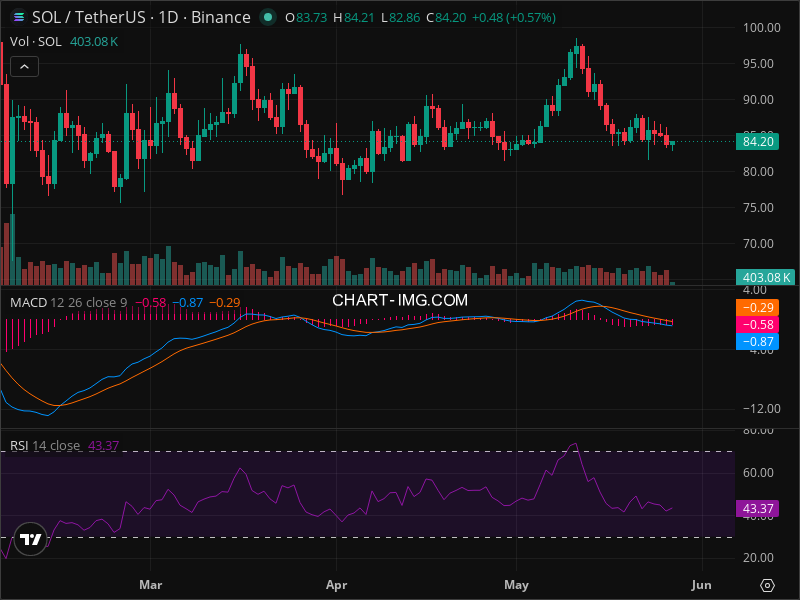
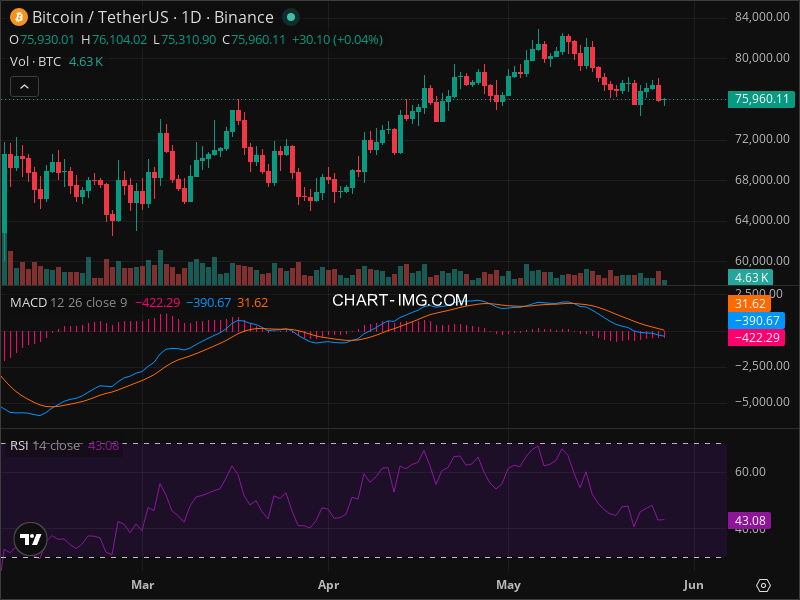
BTC Technical Analysis
May 27, 2026 | Joanna Newman

Soybeans Technical Analysis
May 27, 2026 | Joanna Newman
Live Cattle Technical Analysis
May 27, 2026 | Joanna Newman
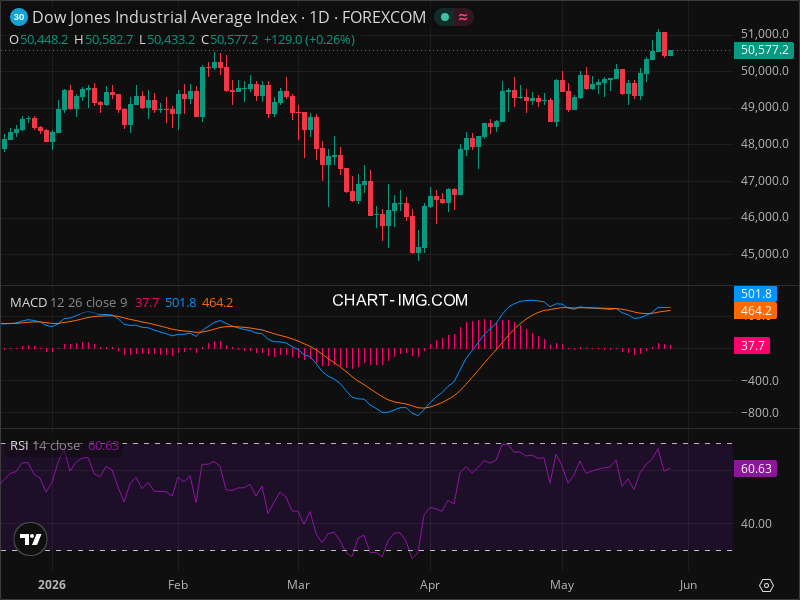
DJI Technical Analysis
May 27, 2026 | Joanna Newman
Tezos (XTZ) Review 2024: Everything You Need to Know Before Buying Tezos
.article-container { font-family: Arial, sans-serif; line-height: 1.6; color: #333; backgrou...
Chromia (CHR) Review 2024: Everything You Need to Know Before Buying Chromia
Illuvium (ILV) Review 2024: Everything You Need to Know Before Buying Illuvium
My Neighbor Alice (ALICE) Review 2024: Everything You Need to Know Before Buying My Neighbor Alice
Star Atlas (ATLAS) Review 2024: Everything You Need to Know Before Buying Star Atlas
TabTrade
What Is TabTrade? A Complete IntroductionTabTrade is a globally oriented multi-asset CFD and forex b...
Funded7
In the fast-moving world of proprietary trading, 2026 has marked a significant shift in what traders...
Bullwaves
Bullwaves Review 2026: A Premium MT5 Brokerage for Multi-Asset TradersBullwaves has quickly carved o...
BlackBull Markets
...
OQtima
Oqtima is an emerging online trading platform that offers a wide range of financial instruments, inc...
(adsbygoogle = window.adsbygoogle || []).push({}); Introduction In t...
(adsbygoogle = window.adsbygoogle || []).push({}); Einführung Wenn es um Er...
Mobi
Are you someone who makes international payments regularly using Bitcoin? Or do you travel a lot and...
Bitcoin.com
Bitcoin.com is a free downloadable Bitcoin wallet that allows users to trade and receive Bitcoins. T...
BTC.com
Created by Bitmain in 2016, BTC.com is a leading open-source Bitcoin and Bitcoin Cash storage platfo...


 Français
 Spanish
 Deutsch
 Português
 Türkçe
 Italiano
 العربية
 Русский
 Chinese
 Korean
 Japanese
 Vietnamese
 Hebrew
 Hindi
Hindi
 Greek
Greek
 Polish
 Thai
Thai
 Dutch
Dutch
 Malay
Malay



.png)
.png)
.png)







COMMENTS (0)