

 Français
 Spanish
 Deutsch
 Português
 Türkçe
 Italiano
 العربية
 Русский
 Chinese
 Korean
 Japanese
 Vietnamese
 Hebrew
 Hindi
Hindi
 Greek
Greek
 Polish
 Thai
Thai
 Dutch
Dutch
 Malay
Malay


Mastering Soybean Trading: A Comprehensive Guide
Soybean trading presents both opportunities and challenges for investors. Understanding the market dynamics, employing effective strategies, and managing risk are crucial for success. This guide provides a comprehensive overview of soybean trading, covering everything from fundamental analysis to advanced techniques.
Understanding the Soybean Market
Soybeans are a globally traded commodity, primarily used for animal feed, vegetable oil, and various industrial applications. The price of soybeans is influenced by a multitude of factors, including weather patterns, planting and harvesting cycles, global demand, and government policies.
- Weather: Droughts, floods, and other weather events can significantly impact soybean yields and prices.
- Supply and Demand: Changes in global demand, particularly from major importers like China, can drive price fluctuations.
- Government Policies: Subsidies, trade agreements, and other government interventions can affect the soybean market.
Fundamental Analysis for Soybean Trading
Fundamental analysis involves evaluating the underlying factors that influence the supply and demand of soybeans. This includes monitoring weather reports, crop production estimates, and economic indicators.
Key Data Sources
- USDA Reports: The United States Department of Agriculture (USDA) publishes regular reports on crop production, supply, and demand.
- Weather Services: Monitoring weather forecasts and historical data is essential for assessing potential crop impacts.
- Economic Indicators: Tracking economic growth, inflation, and currency exchange rates can provide insights into global demand.
Technical Analysis for Soybean Trading
Technical analysis involves using charts and indicators to identify patterns and trends in soybean prices. This can help traders make informed decisions about when to buy or sell.
Common Technical Indicators
- Moving Averages: Used to smooth out price data and identify trends.
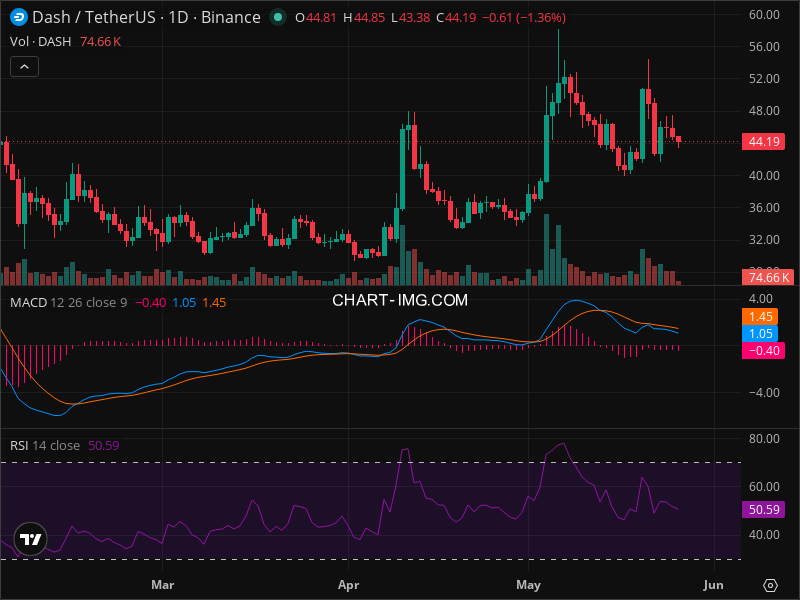
- Relative Strength Index (RSI): Measures the magnitude of recent price changes to evaluate overbought or oversold conditions.
- MACD: A trend-following momentum indicator that shows the relationship between two moving averages of prices.
Consider using analysis tools to assist with technical analysis and identify potential trading opportunities.
Trading Strategies for Soybeans
Several trading strategies can be employed when trading soybeans, depending on your risk tolerance and investment goals.
- Trend Following: Identifying and capitalizing on established trends in soybean prices.
- Range Trading: Buying soybeans when prices are low within a defined range and selling when prices are high.
- Breakout Trading: Entering a trade when soybean prices break through a key resistance or support level.
"Successful soybean trading requires a combination of fundamental and technical analysis, along with a well-defined risk management strategy."
An AI-powered platform can help automate some of these strategies.
Risk Management in Soybean Trading
Risk management is crucial for protecting your capital when trading soybeans. This involves setting stop-loss orders, diversifying your portfolio, and avoiding over-leveraging.
- Stop-Loss Orders: Automatically exit a trade when prices reach a predetermined level, limiting potential losses.
- Position Sizing: Determine the appropriate amount of capital to allocate to each trade based on your risk tolerance.
- Diversification: Spreading your investments across different commodities and asset classes to reduce overall risk.
Using advanced trading platforms can help you manage risk more effectively.
Choosing a Trading Platform
Selecting the right trading platform is essential for a successful trading experience. Look for a platform that offers real-time data, charting tools, and a user-friendly interface. Consider InteractiveCrypto Pro for its comprehensive features.
Key Takeaways
- Soybean prices are influenced by weather, supply and demand, and government policies.
- Fundamental and technical analysis are essential for informed trading decisions.
- Risk management is crucial for protecting your capital.
- Choose a trading platform that meets your needs.




.png)
.png)
.png)
















COMMENTS (0)