

 Français
 Spanish
 Deutsch
 Português
 Türkçe
 Italiano
 العربية
 Русский
 Chinese
 Korean
 Japanese
 Vietnamese
 Hebrew
 Hindi
Hindi
 Greek
Greek
 Polish
 Thai
Thai
 Dutch
Dutch
 Malay
Malay

Mastering Crypto Trading: A Comprehensive Guide
Cryptocurrency trading has exploded in popularity, offering opportunities for significant gains but also presenting substantial risks. This guide provides a comprehensive overview of crypto trading, covering essential strategies, risk management techniques, and how to choose the right trading platform.
Understanding the Crypto Market
The cryptocurrency market is characterized by its volatility and 24/7 operation. Unlike traditional markets, crypto exchanges are open around the clock, allowing for continuous trading. This constant activity can lead to rapid price swings, making it crucial to understand market dynamics.
Key Market Factors
- Supply and Demand: Basic economic principles apply to crypto. Limited supply and high demand can drive prices up.
- News and Events: Regulatory announcements, technological advancements, and major partnerships can significantly impact prices.
- Market Sentiment: Social media, online forums, and news outlets can influence investor sentiment, leading to buying or selling frenzies.
Essential Trading Strategies
Developing a well-defined trading strategy is crucial for success in the crypto market. Here are some popular strategies:
- Day Trading: Buying and selling crypto within the same day to profit from small price fluctuations.
- Swing Trading: Holding crypto for several days or weeks to capture larger price swings.
- Long-Term Investing (HODLing): Buying and holding crypto for the long term, based on the belief that its value will increase over time.
- Arbitrage: Taking advantage of price differences between different exchanges to make a profit.
"Successful crypto trading requires a combination of technical analysis, fundamental analysis, and a solid understanding of market psychology."
Risk Management Techniques
Managing risk is paramount in crypto trading. The volatile nature of the market can lead to significant losses if risks are not properly controlled.
Key Risk Management Strategies
- Stop-Loss Orders: Setting a price at which to automatically sell your crypto to limit potential losses.
- Diversification: Spreading your investments across multiple cryptocurrencies to reduce the impact of any single asset's performance.
- Position Sizing: Determining the appropriate amount of capital to allocate to each trade based on your risk tolerance.
- Using analysis tools: Employing technical and fundamental analysis to make informed trading decisions.
Choosing the Right Trading Platform
Selecting the right trading platform is a critical step. Consider the following factors:
- Security: Look for platforms with robust security measures, such as two-factor authentication and cold storage of funds.
- Fees: Compare trading fees, withdrawal fees, and other charges.
- Supported Cryptocurrencies: Ensure the platform supports the cryptocurrencies you want to trade.
- User Interface: Choose a platform with a user-friendly interface that is easy to navigate.
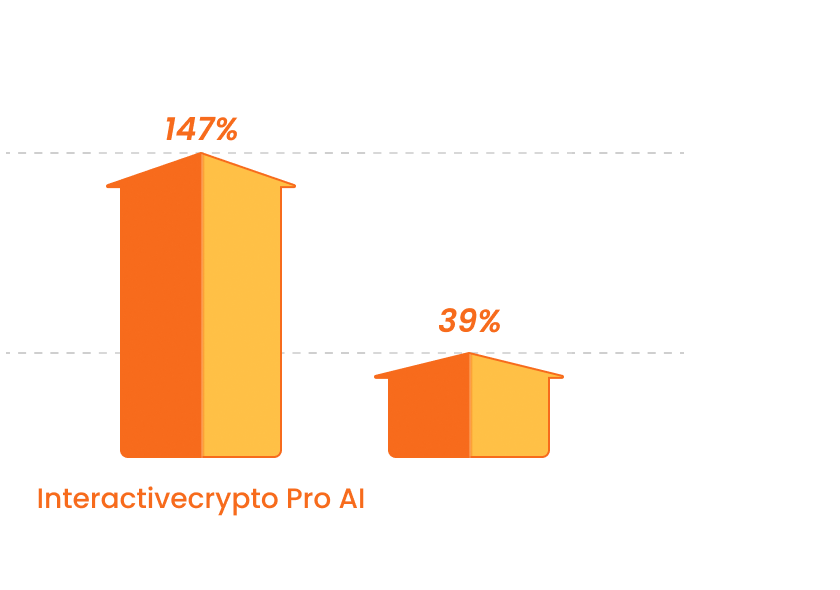
- InteractiveCrypto Pro: Consider platforms like InteractiveCrypto Pro, which offer advanced features and AI-powered platform for enhanced trading experiences.
Key Takeaways
Crypto trading offers potential rewards but requires careful planning and risk management. Understanding market dynamics, developing a solid trading strategy, and choosing the right platform are essential for success.





.png)
.png)
.png)













COMMENTS (0)