

 English
 Spanish
 Deutsch
 Português
 Türkçe
 Italiano
 العربية
 Русский
 Chinese
 Korean
 Japanese
 Vietnamese
 Hebrew
 Hindi
Hindi
 Greek
Greek
 Polish
 Thai
Thai
 Dutch
Dutch
 Malay
Malay

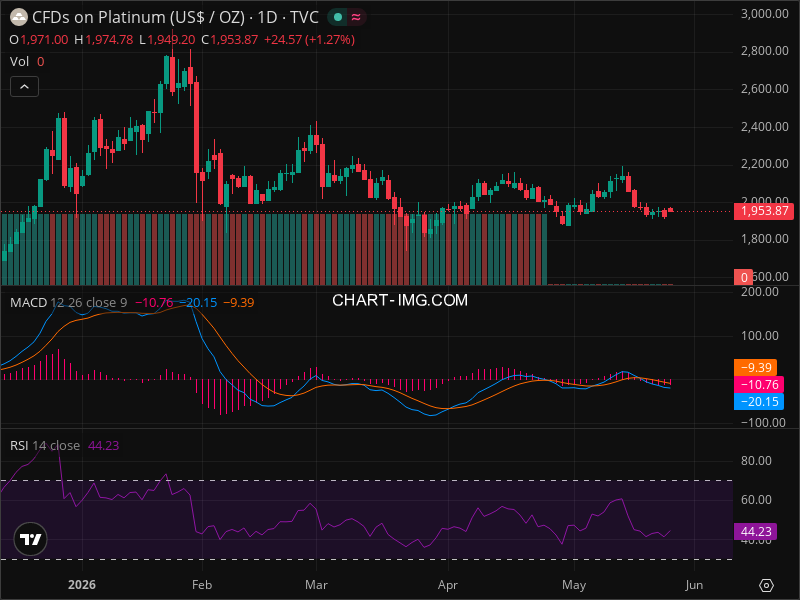
Platinum Trading: Strategies, Analysis, and Market Insights
Platinum, a precious metal valued for its rarity and industrial applications, presents unique opportunities for traders. Understanding the dynamics of the platinum market is crucial for making informed investment decisions. This article delves into effective trading strategies, essential analysis techniques, and key market insights to help you navigate the world of platinum trading.
Understanding the Platinum Market
The platinum market is influenced by a variety of factors, including supply and demand, geopolitical events, and economic indicators. South Africa and Russia are the primary producers of platinum, and disruptions in their production can significantly impact prices. Demand for platinum comes primarily from the automotive industry (catalytic converters), jewelry, and industrial applications.
Key Insight: Monitor supply-side disruptions and changes in automotive industry demand to anticipate price movements.
Effective Trading Strategies
Several trading strategies can be applied to the platinum market, depending on your risk tolerance and investment goals.
- Trend Following: Identify and follow the prevailing trend in platinum prices. Use moving averages and trendlines to confirm the direction.
- Breakout Trading: Look for price breakouts above resistance levels or below support levels. A breakout can signal the start of a new trend.
- Range Trading: When platinum prices are trading within a defined range, buy at the support level and sell at the resistance level.
- News Trading: React to significant news events that can impact platinum prices, such as production reports or changes in automotive regulations.
Technical Analysis for Platinum Trading
Technical analysis involves studying price charts and using indicators to identify potential trading opportunities.
- Support and Resistance Levels: Identify key price levels where platinum has historically found support or resistance.
- Moving Averages: Use moving averages to smooth out price data and identify trends. Common moving averages include the 50-day and 200-day.
- Relative Strength Index (RSI): The RSI measures the magnitude of recent price changes to evaluate overbought or oversold conditions.
- MACD: The Moving Average Convergence Divergence (MACD) is a trend-following momentum indicator that shows the relationship between two moving averages of a price.
Consider using analysis tools to enhance your technical analysis.
Fundamental Analysis for Platinum Trading
Fundamental analysis involves evaluating the underlying factors that affect the supply and demand of platinum.
- Supply and Demand: Monitor platinum production levels, particularly in South Africa and Russia. Also, track demand from the automotive, jewelry, and industrial sectors.
- Economic Indicators: Pay attention to economic indicators such as GDP growth, inflation, and interest rates, as they can influence investment demand for platinum.
- Geopolitical Events: Geopolitical events, such as trade disputes or political instability, can impact platinum prices.
An AI-powered platform can help you stay updated on these factors.
Risk Management
Effective risk management is crucial for successful platinum trading.
- Stop-Loss Orders: Use stop-loss orders to limit potential losses on your trades.
- Position Sizing: Determine the appropriate position size for each trade based on your risk tolerance and account size.
- Diversification: Diversify your portfolio to reduce the impact of any single trade on your overall returns.
Consider using advanced trading platforms that offer robust risk management tools.
Choosing a Trading Platform
Selecting the right trading platform is essential for a smooth and efficient trading experience. Look for platforms that offer:
- Competitive pricing and low fees
- Reliable execution
- A user-friendly interface
- Advanced charting tools
- Risk management features
InteractiveCrypto Pro offers a comprehensive suite of tools and resources for platinum traders.
Key Takeaways
- Understand the factors influencing the platinum market.
- Apply effective trading strategies based on your risk tolerance.
- Use technical and fundamental analysis to identify trading opportunities.
- Implement robust risk management techniques.
- Choose a trading platform that meets your needs.





.png)
.png)
.png)

















COMMENTS (0)