Create a FREE account and...
Manage your own Watchlist
Access all education lessons
Converse with other crypto enthusiasts
Be a part of the Interactive Crypto Community
OR
Please fill out the required fields Please fill out the required fields Please fill out the required fields

As of April 19, 2026, the cryptocurrency market is caught in a storm of uncertainty, with major digital assets like Bitcoin and Ethereum experiencing sharp declines that have rattled even the most seasoned investors. The total market capitalization has dipped to $2.64 trillion, a stark indicator of the consolidation and fear gripping the space. This downturn isn’t just a blip—it’s a signal of deeper forces at play, from macroeconomic pressures to regulatory headwinds, that could reshape the future of crypto. For anyone with skin in the game, or even those watching from the sidelines, this moment raises critical questions: Is this the start of a prolonged bear market, or a rare buying opportunity? Stick with us as we unpack the data, expert insights, and actionable strategies to help you navigate these choppy waters—and maybe even come out ahead. If you’re looking for a data-driven edge, check the AI analysis to see what advanced algorithms predict for Bitcoin and beyond.
The crypto market is in a state of unease, with sentiment indices like the Fear & Greed Index plunging to a chilling 27, firmly in "Fear" territory. Bitcoin, the market’s heavyweight, is trading at $75,690, down 2.09% in the last 24 hours, while Ethereum, the second-largest cryptocurrency, has fallen 3.20% to $2,347.09. These declines aren’t isolated—most major altcoins, from Binance Coin (BNB) at $629.05 (-2.65%) to Chainlink (LINK) at $9.23 (-4.17%), are bleeding value.
Trading volume over the past 24 hours stands at a hefty $100.78 billion, suggesting a flurry of activity—likely a mix of panic selling and opportunistic buying. Bitcoin’s dominance, still towering at 57.43%, shows it remains the market’s anchor, even as it stumbles. But what’s driving this sell-off? Analysts point to a cocktail of rising interest rates, inflation concerns, and whispers of tighter regulations as key culprits. For a deeper dive into the numbers, get AI-powered insights on Bitcoin’s next move.
If you’re an investor, this downturn is a double-edged sword. On one hand, heightened volatility means greater risk—your portfolio could take a hit if the market continues to slide. On the other, periods of fear often unearth undervalued gems for those with the stomach to buy low. The Fear & Greed Index at 27 signals that many are pulling back, which could amplify selling pressure in the short term.
But here’s the flip side: historical data shows that crypto markets often rebound after extreme fear, as bargain hunters step in. The question is timing—are we at the bottom, or is there more pain ahead? Diversifying into stablecoins like Tether (USDT), which holds steady at $1, could be a safe harbor for now. Alternatively, if you’re eyeing a potential rebound, see AI price prediction tools to gauge where Bitcoin or Ethereum might head next.
To understand why the crypto market is faltering, we need to zoom out to the broader economic landscape. Central banks worldwide, including the U.S. Federal Reserve, are tightening monetary policy to combat persistent inflation. Higher interest rates make riskier assets like cryptocurrencies less attractive compared to safer bets like bonds. According to Bloomberg reports, institutional investors—who have been a major driver of crypto growth—are pulling back as borrowing costs rise.
Then there’s the regulatory specter looming large. In the U.S., the Securities and Exchange Commission (SEC) continues to grapple with how to classify and oversee digital assets, creating a cloud of uncertainty. Across the Atlantic, the European Union’s Markets in Crypto-Assets (MiCA) framework aims to standardize rules but could burden smaller players with compliance costs. These developments are spooking retail and institutional investors alike, contributing to the current “Fear” sentiment.
This isn’t the first time the crypto market has been gripped by fear. Similar downturns in 2018 and 2022 saw the Fear & Greed Index drop into the low 20s, followed by significant recoveries within months. While history doesn’t guarantee a repeat, it does suggest that panic often overshoots reality. Could this be another overreaction? Only time will tell, but keeping an eye on key indicators can help—view AI signals for Bitcoin to stay ahead of the curve.
NASDAQ:COIN Stock Chart - TradingView
Industry voices are split on where the market heads from here. MicroStrategy CEO Michael Saylor, a prominent Bitcoin bull, recently argued on social media that current prices represent a “generational buying opportunity,” citing Bitcoin’s long-term store-of-value narrative. On the other hand, analysts at JPMorgan have cautioned that macroeconomic headwinds could push Bitcoin below $70,000 if inflation data doesn’t ease.
The impact on the broader industry is palpable. Crypto exchanges are seeing reduced trading volumes compared to the bull run of 2021, while blockchain projects are struggling to secure funding amid the risk-off environment. Yet, some sectors—like privacy coins such as Monero, which is up 0.72% at $350.07—show resilience, hinting at niche demand even in tough times. For a data-driven take on these outliers, get AI analysis for Monero.
Let’s not sugarcoat it—a sustained bear market could have serious financial implications. If Bitcoin breaks below the psychological $70,000 barrier, it might trigger further liquidations, dragging altcoins down with it. Smaller investors, especially those over-leveraged, risk significant losses. According to CoinGecko data, liquidations in the past 24 hours have already surpassed $200 million, a sobering reminder of the market’s fragility.
Yet, for every seller, there’s a buyer waiting in the wings. Assets like Ethereum, down 3.20%, could be undervalued if upcoming network upgrades deliver as promised. Stablecoins also offer a way to park capital while waiting for clearer signals. And for those willing to play the long game, dollar-cost averaging into blue-chip cryptos during dips has historically paid off. Curious about fair value estimates? Check AI fair value estimate for Ethereum to see if now’s the time to act.
Diversification remains key. Beyond stablecoins, consider allocating a portion of your portfolio to non-correlated assets like gold or traditional equities to hedge against crypto-specific risks. Rebalancing regularly can also help manage exposure during volatile swings. And always, always keep an eye on market sentiment—tools that provide real-time data can be invaluable.
Let’s get into the nitty-gritty of the charts. Bitcoin’s Relative Strength Index (RSI) is hovering at 45, neither overbought nor oversold, but leaning toward bearish caution. The Moving Average Convergence Divergence (MACD) shows negative momentum, suggesting that sellers still have the upper hand. Support levels to watch are around $73,000—if breached, the next stop could be $70,000.
Ethereum’s technicals paint a similar picture. Its RSI sits at 42, closer to oversold territory, while the MACD confirms bearish momentum. A key resistance level at $2,400 looms large—if Ethereum can’t reclaim it soon, further declines are likely. For a deeper breakdown of these indicators, see what the AI predicts for both assets.
| Cryptocurrency | Current Price (USD) | 24h Change (%) | RSI |
|---|---|---|---|
| Bitcoin (BTC) | $75,690 | -2.09% | 45 |
| Ethereum (ETH) | $2,347.09 | -3.20% | 42 |
| Monero (XMR) | $350.07 | +0.72% | 52 |
Looking ahead, the crypto market’s trajectory hinges on several pivotal factors. If inflation data in major economies shows signs of cooling, risk-on sentiment could return, potentially pushing Bitcoin back toward $80,000 by mid-2026. Ethereum, too, could see a boost if its upcoming upgrades roll out smoothly, with some analysts eyeing a target of $2,800.
However, the bearish case is equally compelling. Persistent inflation or a hawkish stance from central banks could keep pressure on risk assets, dragging Bitcoin below $70,000 and Ethereum under $2,200. Regulatory crackdowns remain the wild card—unfavorable policies could stifle growth for quarters to come. For evidence-based forecasts, get professional AI analysis to inform your next steps.
The current downturn is driven by a mix of macroeconomic factors like rising interest rates and inflation, alongside regulatory uncertainties in key markets like the U.S. and Europe. Investor sentiment, as reflected by the Fear & Greed Index at 27, also shows widespread caution, fueling selling pressure.
It depends on your risk tolerance and investment horizon. Periods of fear often present buying opportunities, as assets may be undervalued, but there’s no guarantee the market has bottomed out. Tools like AI-driven analysis can help—check AI signals for Bitcoin to get a clearer picture.
Stablecoins like Tether (USDT) and USD Coin (USDC) are cryptocurrencies pegged to fiat currencies, typically the U.S. dollar, offering stability during market volatility. They’re not investments for growth but rather a safe haven to park capital. They’re useful during downturns but offer little upside compared to volatile assets.
Diversification is key—consider allocating funds to stablecoins or non-crypto assets like bonds or gold. Avoid over-leveraging, as liquidations can amplify losses. Regularly rebalance your portfolio and stay informed about market trends and macroeconomic developments.
The long-term outlook remains optimistic for many, driven by increasing adoption, technological advancements, and potential mainstream integration. However, challenges like regulation and economic conditions could create bumps along the way. Analysts are divided, but historical resilience suggests crypto isn’t going away anytime soon.
Staying ahead requires a mix of research, technical analysis, and real-time data. Follow trusted news sources, monitor key indicators like RSI and MACD, and consider leveraging advanced tools. Platforms that provide data-driven insights can be a game-changer in volatile markets.

ALL
TRENDING
WATCHLIST
Total Market Cap The Total Market Capitalization (Market Cap) is an indicator that measures the size of all the cryptocurrencies.It’s the total market value of all the cryptocurrencies' circulating supply: so it’s the total value of all the coins that have been mined.
{[{ marketcap }]} {[{ marketcapchange.toLocaleString(undefined, {maximumFractionDigits:2}) }]}% (24H) {[{ marketcapchange.toLocaleString(undefined, {maximumFractionDigits:2}) }]}% (24H)
Symbol
Price Cryptocurrency prices are volatile, and the prices change all the time. We are collecting all the data from several exchanges to provide the most accurate price available.
24H Cryptocurrency prices are volatile… The 24h % change is the difference between the current price and the price24 hours ago.
Trade
{[{ item.name }]}
{[{ index + $index}]}
{[{ item.pair.split('_')[0] }]}
Ƀ{[{item.price.toLocaleString(undefined, {maximumFractionDigits: 5}) }]} ${[{item.price.toLocaleString(undefined, {maximumFractionDigits: 5}) }]}
{[{ item.change24.toLocaleString(undefined, {maximumFractionDigits: 2}) }]}%
{[{ item.change24.toLocaleString(undefined, {maximumFractionDigits: 2}) }]}%
Symbol
Price Cryptocurrency prices are volatile, and the prices change all the time. We are collecting allthe data fromseveral exchanges to provide the most accurate price available.
24H Cryptocurrency prices are volatile… The 24h % change is the difference between the current priceand the price24 hours ago.
Trade
{[{ item.name }]}
{[{ index + $index}]}
{[{ item.pair.split('_')[0] }]}
Ƀ{[{item.price.toLocaleString(undefined, {maximumFractionDigits: 5}) }]} ${[{item.price.toLocaleString(undefined, {maximumFractionDigits: 5}) }]}
{[{ item.change24.toLocaleString(undefined, {maximumFractionDigits: 2}) }]}%
{[{ item.change24.toLocaleString(undefined, {maximumFractionDigits: 2}) }]}%

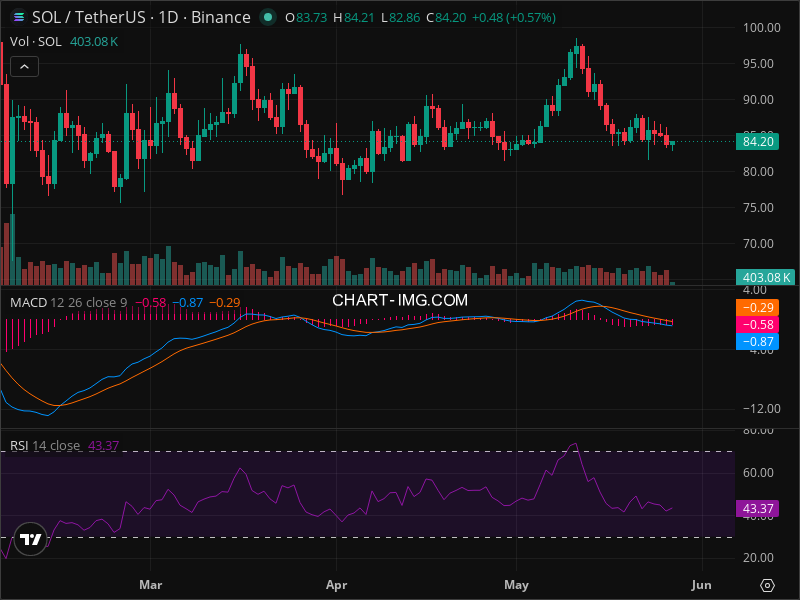
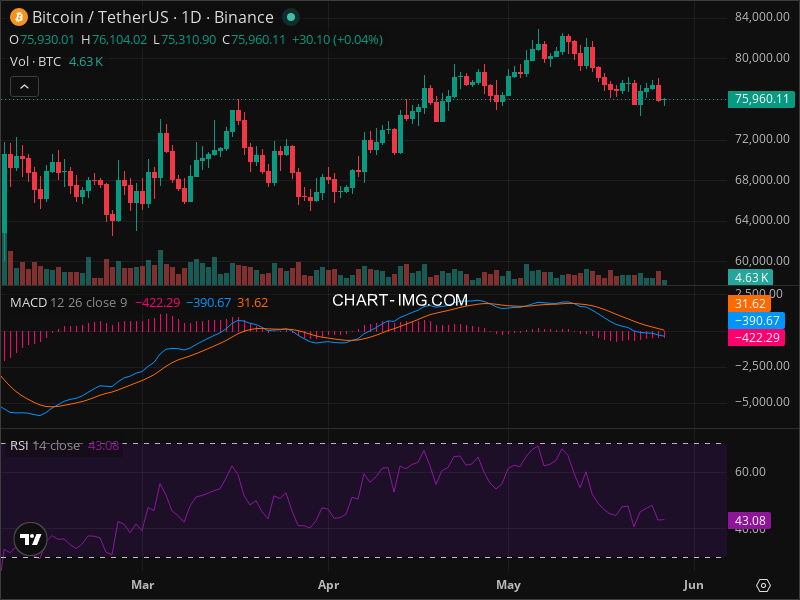
BTC Technical Analysis
May 27, 2026 | Joanna Newman

Soybeans Technical Analysis
May 27, 2026 | Joanna Newman
Live Cattle Technical Analysis
May 27, 2026 | Joanna Newman
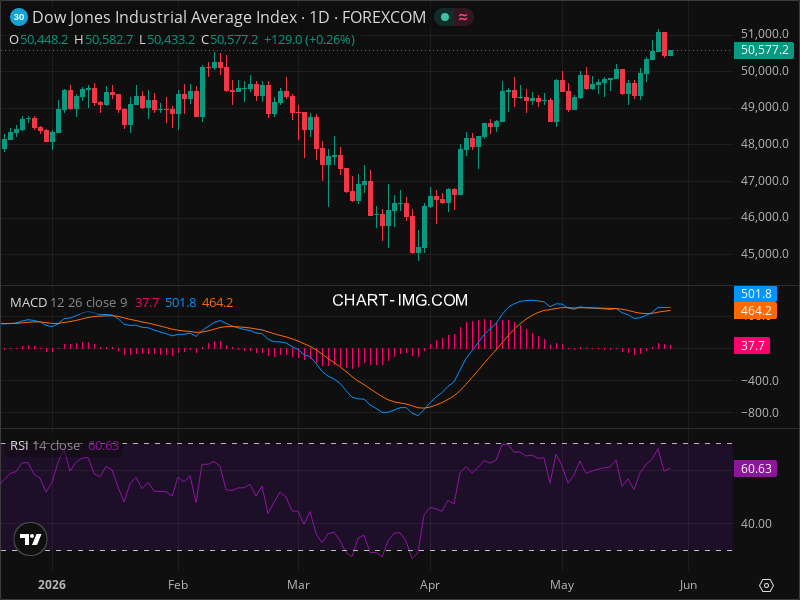
DJI Technical Analysis
May 27, 2026 | Joanna Newman
Tezos (XTZ) Review 2024: Everything You Need to Know Before Buying Tezos
.article-container { font-family: Arial, sans-serif; line-height: 1.6; color: #333; backgrou...
Chromia (CHR) Review 2024: Everything You Need to Know Before Buying Chromia
Illuvium (ILV) Review 2024: Everything You Need to Know Before Buying Illuvium
My Neighbor Alice (ALICE) Review 2024: Everything You Need to Know Before Buying My Neighbor Alice
Star Atlas (ATLAS) Review 2024: Everything You Need to Know Before Buying Star Atlas
TabTrade
What Is TabTrade? A Complete IntroductionTabTrade is a globally oriented multi-asset CFD and forex b...
Funded7
In the fast-moving world of proprietary trading, 2026 has marked a significant shift in what traders...
Bullwaves
Bullwaves Review 2026: A Premium MT5 Brokerage for Multi-Asset TradersBullwaves has quickly carved o...
BlackBull Markets
...
OQtima
Oqtima is an emerging online trading platform that offers a wide range of financial instruments, inc...
(adsbygoogle = window.adsbygoogle || []).push({}); Introduction In t...
(adsbygoogle = window.adsbygoogle || []).push({}); Einführung Wenn es um Er...
Mobi
Are you someone who makes international payments regularly using Bitcoin? Or do you travel a lot and...
Bitcoin.com
Bitcoin.com is a free downloadable Bitcoin wallet that allows users to trade and receive Bitcoins. T...
BTC.com
Created by Bitmain in 2016, BTC.com is a leading open-source Bitcoin and Bitcoin Cash storage platfo...
Crypto Market Downturn: Why Bitcoin and Ethereum Are Sliding and What Investors Must Know Now
/* Modern SEO & AI-Optimized Article Styles */ /* Fonts loaded via link tags in head for b
Discover 10 cryptos That Are Following the Market
Cryptos are fast becoming mainstream. They are now the ideal investments in a revamped digital econo
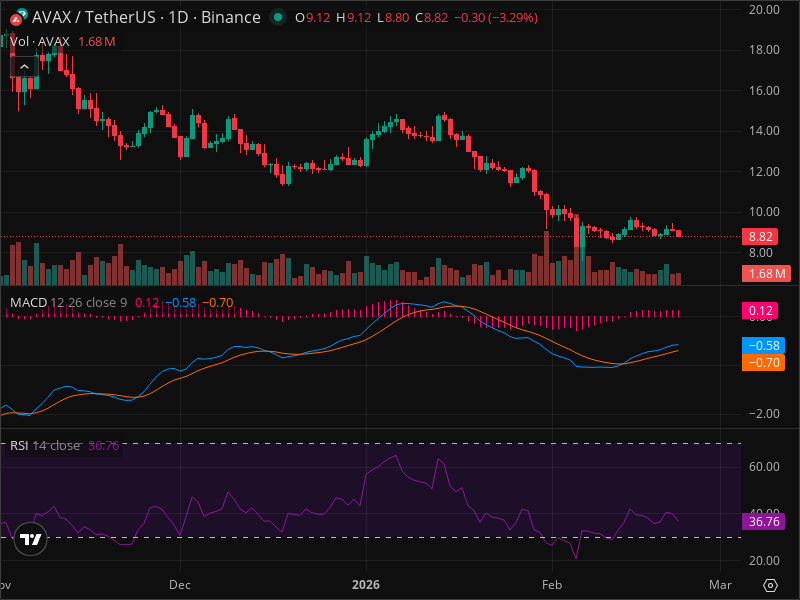
AVAX at Critical Level: Why This Week Matters
AVAX Chart | TradingView AVAX at Critical Level: Why This Week Matters Avalanc
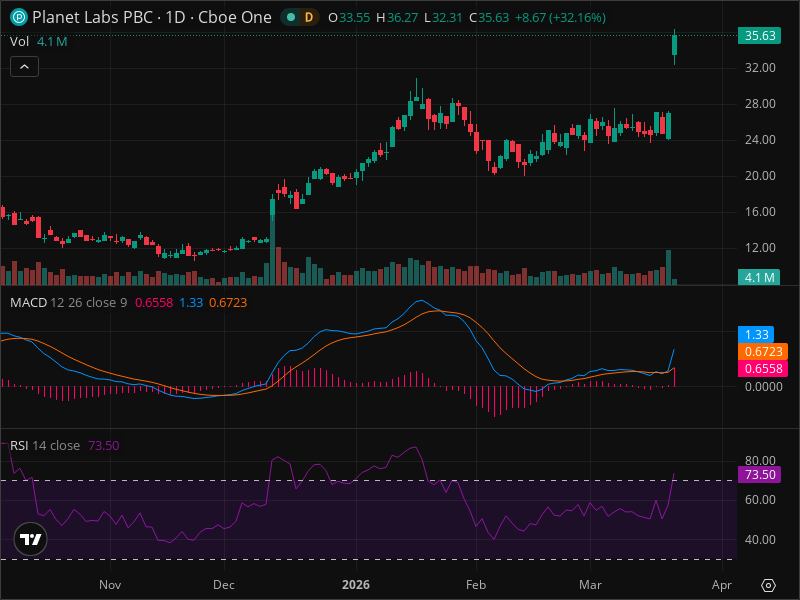
PL Breakout Imminent? 5 Chart Patterns Aligning Now
PL Chart | TradingView PL Breakout Imminent? 5 Chart Patterns Aligning Now In
Trump’s Fed Chair Pick Could Spark a $2.93 Trillion Crypto Market Shift: What Data Reveals
/* Modern SEO & AI-Optimized Article Styles */ /* Fonts loaded via link tags in head for b
The Top 10 Crypto Assets with the Highest Potential in 2025
.article-container { font-family: Arial, sans-serif; line-height: 1.6; color: #333; background-color
The Ultimate Bitcoin Review 2024: Everything You Need to Know Today
.article-container { font-family: Arial, sans-serif; line-height: 1.6; color: #333; background-colo
The Everyday Fruit that's a Powerhouse of Nutrition and Your Weight Loss Ally
(adsbygoogle = window.adsbygoogle || []).push({}); IntroductionWhen it comes to nutrition a
The oldest and most powerful remedy to permanently get rid of insects and ants
(adsbygoogle = window.adsbygoogle || []).push({}); IntroductionEach year, as the hot season
Two Beds, One Dream: The Growing Trend of Sleeping Apart for Better Rest
(adsbygoogle = window.adsbygoogle || []).push({}); IntroductionIn an era where quality slee
(adsbygoogle = window.adsbygoogle || []).push({}); Introduction In t...
(adsbygoogle = window.adsbygoogle || []).push({}); Einführung Wenn es um Er...
Mobi
Are you someone who makes international payments regularly using Bitcoin? Or do you travel a lot and...
Bitcoin.com
Bitcoin.com is a free downloadable Bitcoin wallet that allows users to trade and receive Bitcoins. T...
BTC.com
Created by Bitmain in 2016, BTC.com is a leading open-source Bitcoin and Bitcoin Cash storage platfo...


 Français
 Spanish
 Deutsch
 Português
 Türkçe
 Italiano
 العربية
 Русский
 Chinese
 Korean
 Japanese
 Vietnamese
 Hebrew
 Hindi
Hindi
 Greek
Greek
 Polish
 Thai
Thai
 Dutch
Dutch
 Malay
Malay




.png)
.png)
.png)














COMMENTS (0)