Create a FREE account and...
Manage your own Watchlist
Access all education lessons
Converse with other crypto enthusiasts
Be a part of the Interactive Crypto Community
OR
Please fill out the required fields Please fill out the required fields Please fill out the required fields

The cryptocurrency market is in the midst of a brutal storm. As of March 17, 2026, major tokens are bleeding red with double-digit losses, sending waves of panic through retail investors. Yet, amid this chaos, a select group of savvy players—often dubbed "smart money"—are quietly positioning themselves for what could be a historic rebound. With Bitcoin trading at $74,951 after a 3.30% uptick in the last 24 hours (per CoinGecko data), the question looms: are we on the cusp of a dramatic recovery, and what does this mean for you?
This isn’t just another market dip; it’s a potential turning point. The total crypto market cap sits at a staggering $2.65 trillion, with 24-hour trading volume hitting $152.85 billion. For investors, whether seasoned or new, these volatile swings could spell either disaster or opportunity. Stick with us as we unpack the forces driving this downturn, reveal why the elite are buying in, and explore how you can navigate this high-stakes landscape.
The crypto market is a battlefield right now. As of mid-March 2026, CoinGecko data paints a mixed picture: while Bitcoin has clawed back a modest 3.30% to $74,951, many altcoins are still reeling from double-digit losses over the past week. Ethereum, a beacon of hope for some, has surged 8.31% to $2,351.23, while Polkadot leads the altcoin pack with a 13.29% jump to $1.63. But the overarching sentiment, pegged at a fearful 28 on the Fear & Greed Index, suggests the market is far from stable.
What’s driving this turbulence? Macroeconomic pressures, including rising interest rates and geopolitical uncertainty, have spooked investors. Add to that a wave of regulatory murmurs from the U.S. and Europe, and it’s no surprise that panic selling has dominated. Yet, amidst the carnage, on-chain data shows large wallet holders—whales—are accumulating Bitcoin and Ethereum at a rapid pace, hinting at confidence in a near-term reversal.
For a clearer snapshot, take a look at the table below comparing key metrics of major cryptocurrencies as of March 17, 2026:
| Cryptocurrency | Current Price | 24-Hour Change | Market Dominance |
|---|---|---|---|
| Bitcoin (BTC) | $74,951 | +3.30% | 56.83% |
| Ethereum (ETH) | $2,351.23 | +8.31% | 10.79% |
| Polkadot (DOT) | $1.63 | +13.29% | N/A |
Curious about where Bitcoin might head next? Get AI analysis for Bitcoin to uncover data-driven insights on potential price movements.
If you’re an investor, the current market climate is a double-edged sword. On one hand, double-digit losses across altcoins signal risk—your portfolio could take a hit if the downturn deepens. On the other, history shows that crypto markets often rebound spectacularly after fear-driven sell-offs. The smart money—think hedge funds and institutional players—is betting on the latter, scooping up assets at discounted prices.
What should you do? First, assess your risk tolerance. If you’re in for the long haul, dips like these could be buying opportunities, especially for blue-chip cryptos like Bitcoin and Ethereum. Second, keep an eye on market sentiment indicators; a shift from “fear” to “neutral” could signal an impending rally.
Diversification remains key. While Bitcoin holds over 56% of market dominance, Ethereum’s recent gains suggest strength in DeFi and NFT ecosystems. Don’t sleep on altcoins like Polkadot either, which are showing resilience. For deeper insights into Ethereum’s trajectory, see AI price prediction to guide your next move.
To grasp why the crypto market is in freefall, we need to zoom out. Global economic conditions in 2026 are far from ideal. Central banks, particularly the U.S. Federal Reserve, have maintained aggressive interest rate hikes to combat persistent inflation. Higher borrowing costs typically push investors away from speculative assets like cryptocurrencies toward safer havens like bonds.
Geopolitical tensions are another weight on the market. Ongoing conflicts and trade disruptions have rattled global confidence, with digital assets often bearing the brunt of risk-off sentiment. According to a recent Bloomberg report, crypto markets have seen outflows of over $10 billion in the past month alone as investors de-risk.

NASDAQ:COIN Daily Stock Chart
Regulation is the elephant in the room. In the U.S., the Securities and Exchange Commission (SEC) is ramping up scrutiny, with whispers of stricter classification for tokens as securities. Across the Atlantic, the European Union is finalizing its Markets in Crypto-Assets (MiCA) framework, which could impose new compliance burdens. While some see regulation as a path to legitimacy, others fear it could stifle innovation.
Yet, it’s not all doom and gloom. Ethereum’s successful transition to Proof-of-Stake (PoS) has slashed its energy consumption, winning over environmentally conscious investors. Bitcoin, too, remains a hedge against inflation for many, especially as fiat currencies lose purchasing power. These fundamentals keep the smart money engaged, even as retail investors flee.
For a data-driven perspective on how these factors might impact Bitcoin’s fair value, check AI fair value estimate to see what advanced models predict.
Industry leaders are split on where the market heads next. MicroStrategy CEO Michael Saylor, a vocal Bitcoin bull, recently tweeted that “volatility is the price of opportunity,” urging investors to hold steady. His firm continues to amass Bitcoin, viewing current prices as a discount. On the flip side, some analysts warn of deeper corrections. A JPMorgan report suggests Bitcoin could test $60,000 if macroeconomic headwinds persist.
The broader industry is feeling the heat too. Crypto exchanges are seeing reduced trading volumes, with some smaller platforms struggling to stay afloat. Yet, DeFi protocols on Ethereum are reporting increased activity, as users seek yield in a bearish market. According to CoinDesk, staking on Ethereum has surged post-PoS, with over 15% of total supply now locked—a bullish sign for long-term holders.
For those looking to navigate these choppy waters with expert-level analysis, view AI signals for Ethereum to uncover actionable insights.
Let’s not sugarcoat it: the financial risks are real. If regulatory crackdowns intensify or if global economic conditions worsen, we could see Bitcoin drop below $70,000 and altcoins lose even more ground. Margin calls and liquidations could exacerbate the sell-off, as over-leveraged traders are forced out of positions. For retail investors, this could mean significant portfolio losses.
But here’s the flip side—every crypto crash has historically been followed by a boom. The 2018 bear market saw Bitcoin plummet to $3,200 before roaring back to $69,000 by 2021. Smart money knows this. Institutional inflows, per a recent CoinShares report, have spiked in the past week, with funds allocating over $500 million to Bitcoin-focused products.
So, how can you position yourself? Dollar-cost averaging (DCA) into strong fundamentals like Bitcoin and Ethereum could mitigate risk while building exposure. Staking Ethereum for passive income is another avenue, especially given its deflationary mechanics post-PoS. For altcoins, focus on projects with real-world utility, like Polkadot’s cross-chain interoperability. Diversify, stay informed, and don’t let fear drive your decisions.
From a technical standpoint, the charts offer mixed signals. Bitcoin’s Relative Strength Index (RSI) sits at 65, flirting with overbought territory despite the broader downturn. This suggests potential for a short-term pullback before any sustained rally. However, the 50-day moving average remains a key support level around $72,000—if it holds, bulls could regain control.
Ethereum tells a more optimistic story. Its Moving Average Convergence Divergence (MACD) indicator shows bullish divergence, hinting at upward momentum. A break above $2,400 could trigger a run toward $3,000, especially if DeFi adoption continues to climb. Polkadot, meanwhile, is testing resistance at $1.70; a breakout here could signal further gains.
On-chain metrics add another layer. Bitcoin’s hash rate remains near all-time highs, reflecting strong network security, while Ethereum’s staking ratio continues to grow, reducing sell pressure. For investors seeking precision in their analysis, technical indicators like these are invaluable tools.
To dive deeper into these metrics with cutting-edge tools, get AI-powered insights on Bitcoin and Ethereum’s next potential moves.
Looking ahead, the bullish case for crypto in 2026 hinges on several catalysts. If inflation persists, Bitcoin could solidify its role as a digital gold, potentially breaching $80,000 by Q2, as predicted by some analysts at Glassnode. Ethereum, buoyed by DeFi and NFT growth, might hit $3,000 if network activity sustains. Institutional adoption—think more Bitcoin ETFs or corporate treasury allocations—could further fuel the fire.
On the bearish side, regulatory hurdles and macroeconomic tightening could drag prices down. A Bloomberg analysis pegs a 40% chance of Bitcoin slipping below $70,000 if the U.S. Federal Reserve accelerates rate hikes. Ethereum isn’t immune either; a failure to scale effectively could dampen enthusiasm, pushing it under $2,000.
The most likely outcome? A choppy recovery. Historical patterns suggest markets bottom out when fear peaks, as it has now. While short-term volatility is inevitable, the long-term trend for crypto remains upward, driven by technological innovation and growing mainstream acceptance. Stay vigilant, and consider tools like see what the AI predicts for data-backed forecasts.
The current downturn is driven by a mix of macroeconomic factors, including rising interest rates and geopolitical instability, alongside regulatory uncertainty in key markets like the U.S. and Europe. These pressures have led to risk-off sentiment, prompting sell-offs across digital assets.
Buying during a dip can be a smart strategy if you believe in Bitcoin’s long-term value as a store of wealth. However, assess your risk tolerance and financial goals first. Tools like check the AI analysis can provide clarity on potential entry points.
Ethereum’s recent price surge and PoS transition make it a compelling choice, especially with DeFi and NFT growth. Bitcoin, however, remains the dominant store of value. Both have unique strengths; diversifying across them might be the safest bet.
Diversify your holdings beyond crypto into stable assets if possible. Use stop-loss orders to limit downside risk, and consider staking or yield farming for passive income on platforms like Ethereum. Stay updated on market trends to adjust your strategy.
Look for shifts in sentiment indicators like the Fear & Greed Index moving toward “neutral” or “greed.” Increased trading volume, institutional inflows, and positive on-chain metrics (like rising hash rates) are also key signals of a potential rebound.
Follow reputable sources like CoinGecko and CoinDesk for real-time data. Engage with industry leaders on social platforms, and leverage advanced tools for deeper insights. For professional-grade analysis, get professional AI analysis to stay one step ahead.
ALL
TRENDING
WATCHLIST
Total Market Cap The Total Market Capitalization (Market Cap) is an indicator that measures the size of all the cryptocurrencies.It’s the total market value of all the cryptocurrencies' circulating supply: so it’s the total value of all the coins that have been mined.
{[{ marketcap }]} {[{ marketcapchange.toLocaleString(undefined, {maximumFractionDigits:2}) }]}% (24H) {[{ marketcapchange.toLocaleString(undefined, {maximumFractionDigits:2}) }]}% (24H)
Symbol
Price Cryptocurrency prices are volatile, and the prices change all the time. We are collecting all the data from several exchanges to provide the most accurate price available.
24H Cryptocurrency prices are volatile… The 24h % change is the difference between the current price and the price24 hours ago.
Trade
{[{ item.name }]}
{[{ index + $index}]}
{[{ item.pair.split('_')[0] }]}
Ƀ{[{item.price.toLocaleString(undefined, {maximumFractionDigits: 5}) }]} ${[{item.price.toLocaleString(undefined, {maximumFractionDigits: 5}) }]}
{[{ item.change24.toLocaleString(undefined, {maximumFractionDigits: 2}) }]}%
{[{ item.change24.toLocaleString(undefined, {maximumFractionDigits: 2}) }]}%
Symbol
Price Cryptocurrency prices are volatile, and the prices change all the time. We are collecting allthe data fromseveral exchanges to provide the most accurate price available.
24H Cryptocurrency prices are volatile… The 24h % change is the difference between the current priceand the price24 hours ago.
Trade
{[{ item.name }]}
{[{ index + $index}]}
{[{ item.pair.split('_')[0] }]}
Ƀ{[{item.price.toLocaleString(undefined, {maximumFractionDigits: 5}) }]} ${[{item.price.toLocaleString(undefined, {maximumFractionDigits: 5}) }]}
{[{ item.change24.toLocaleString(undefined, {maximumFractionDigits: 2}) }]}%
{[{ item.change24.toLocaleString(undefined, {maximumFractionDigits: 2}) }]}%

BTC Technical Analysis
May 27, 2026 | Joanna Newman

Soybeans Technical Analysis
May 27, 2026 | Joanna Newman
Live Cattle Technical Analysis
May 27, 2026 | Joanna Newman
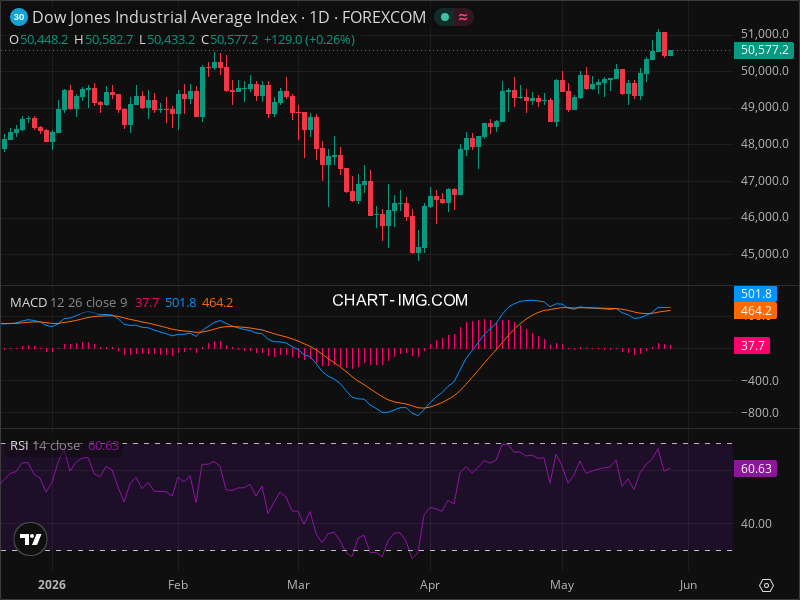
DJI Technical Analysis
May 27, 2026 | Joanna Newman
Tezos (XTZ) Review 2024: Everything You Need to Know Before Buying Tezos
.article-container { font-family: Arial, sans-serif; line-height: 1.6; color: #333; backgrou...
Chromia (CHR) Review 2024: Everything You Need to Know Before Buying Chromia
Illuvium (ILV) Review 2024: Everything You Need to Know Before Buying Illuvium
My Neighbor Alice (ALICE) Review 2024: Everything You Need to Know Before Buying My Neighbor Alice
Star Atlas (ATLAS) Review 2024: Everything You Need to Know Before Buying Star Atlas
TabTrade
What Is TabTrade? A Complete IntroductionTabTrade is a globally oriented multi-asset CFD and forex b...
Funded7
In the fast-moving world of proprietary trading, 2026 has marked a significant shift in what traders...
Bullwaves
Bullwaves Review 2026: A Premium MT5 Brokerage for Multi-Asset TradersBullwaves has quickly carved o...
BlackBull Markets
...
OQtima
Oqtima is an emerging online trading platform that offers a wide range of financial instruments, inc...
(adsbygoogle = window.adsbygoogle || []).push({}); Introduction In t...
(adsbygoogle = window.adsbygoogle || []).push({}); Einführung Wenn es um Er...
Mobi
Are you someone who makes international payments regularly using Bitcoin? Or do you travel a lot and...
Bitcoin.com
Bitcoin.com is a free downloadable Bitcoin wallet that allows users to trade and receive Bitcoins. T...
BTC.com
Created by Bitmain in 2016, BTC.com is a leading open-source Bitcoin and Bitcoin Cash storage platfo...
Crypto Market Crash: Why Smart Money Is Betting Big Despite Double-Digit Losses
/* Modern SEO & AI-Optimized Article Styles */ /* Fonts loaded via link tags in head for b
Ethereum's Hidden Scaling Breakthrough: Why Experts Predict a $5,000 Surge by 2027
/* Modern SEO & AI-Optimized Article Styles */ /* Fonts loaded via link tags in head for b
Binance's Zero-Fee Altcoin Play: Could BNB Hit $1,000 by 2026?
/* Modern SEO & AI-Optimized Article Styles */ @import url('https://fonts.googleap
Best Online Casinos of 2026
Online casinos have become increasingly popular over the years, providing a convenient and thrilli
Bitcoin Targets $95k as Ethereum, XRP, and Altcoins Show Bullish Trends - November 27, 2024 Crypto Market Update
.article-container { font-family: Arial, sans-serif; line-height: 1.6; color: #333; background-color
The Top 10 Crypto Assets with the Highest Potential in 2025
.article-container { font-family: Arial, sans-serif; line-height: 1.6; color: #333; background-color
The Ultimate Bitcoin Review 2024: Everything You Need to Know Today
.article-container { font-family: Arial, sans-serif; line-height: 1.6; color: #333; background-colo
The Everyday Fruit that's a Powerhouse of Nutrition and Your Weight Loss Ally
(adsbygoogle = window.adsbygoogle || []).push({}); IntroductionWhen it comes to nutrition a
The oldest and most powerful remedy to permanently get rid of insects and ants
(adsbygoogle = window.adsbygoogle || []).push({}); IntroductionEach year, as the hot season
Two Beds, One Dream: The Growing Trend of Sleeping Apart for Better Rest
(adsbygoogle = window.adsbygoogle || []).push({}); IntroductionIn an era where quality slee
(adsbygoogle = window.adsbygoogle || []).push({}); Introduction In t...
(adsbygoogle = window.adsbygoogle || []).push({}); Einführung Wenn es um Er...
Mobi
Are you someone who makes international payments regularly using Bitcoin? Or do you travel a lot and...
Bitcoin.com
Bitcoin.com is a free downloadable Bitcoin wallet that allows users to trade and receive Bitcoins. T...
BTC.com
Created by Bitmain in 2016, BTC.com is a leading open-source Bitcoin and Bitcoin Cash storage platfo...


 Français
 Spanish
 Deutsch
 Português
 Türkçe
 Italiano
 العربية
 Русский
 Chinese
 Korean
 Japanese
 Vietnamese
 Hebrew
 Hindi
Hindi
 Greek
Greek
 Polish
 Thai
Thai
 Dutch
Dutch
 Malay
Malay




.png)
.png)
.png)
















COMMENTS (0)