Create a FREE account and...
Manage your own Watchlist
Access all education lessons
Converse with other crypto enthusiasts
Be a part of the Interactive Crypto Community
OR
Please fill out the required fields Please fill out the required fields Please fill out the required fields

As the cryptocurrency market reels from a dramatic weekend plunge, investors are left grappling with uncertainty and opportunity in equal measure. As of February 16, 2026, Bitcoin is trading at $68,340, down 1.71% in just 24 hours, while Ethereum has taken an even harder hit, dropping 5.08% to $1,953.63, according to CoinGecko data. This sharp downturn, coupled with the Fear & Greed Index sinking to a chilling 12—indicating “Extreme Fear”—has sparked intense debate: Is this the prelude to a deeper collapse, or a rare buying window before a historic rally? For both seasoned traders and curious newcomers, understanding these volatile swings could mean the difference between significant losses and life-changing gains. Let’s dive into the hidden forces driving this chaos, what the data reveals, and how you can position yourself for what’s next. Curious about where Bitcoin might head? Check the AI analysis for cutting-edge insights.
The crypto market is in a state of flux, with the total market capitalization hovering at $2.41 trillion and 24-hour trading volume reaching $118.71 billion, as per CoinGecko’s latest figures. Bitcoin continues to dominate with a 56.66% share, while Ethereum holds a modest 9.79%. But beneath these headline numbers lies a storm of activity that’s rattled even the most stoic investors.
Over the weekend, a wave of selling pressure swept through the market, triggered by a confluence of macroeconomic jitters and regulatory whispers. Reports of potential interest rate hikes by the Federal Reserve have spooked risk-asset investors, while murmurs of stricter crypto oversight in the U.S. have added fuel to the fire. According to a recent CoinDesk report, the SEC is intensifying its focus on decentralized finance (DeFi) platforms, creating a ripple of uncertainty.
Beyond regulatory fears, on-chain data points to large-scale liquidations as a key driver. Whale accounts—those holding massive Bitcoin and Ethereum positions—appear to be offloading assets to cover leveraged bets gone wrong. This cascading effect has dragged prices down, amplifying panic among retail investors. Yet, amid the chaos, some see a silver lining: historically, such capitulation events often mark the bottom of a cycle.
For investors, the current market turmoil is a double-edged sword. On one hand, the steep declines in Bitcoin, Ethereum, and altcoins like Solana (down 40.2% year-to-date) signal heightened risk. If you’re holding positions, the instinct to sell and cut losses might be overwhelming.
On the other hand, periods of “Extreme Fear” on the Fear & Greed Index have often preceded major rebounds. Savvy investors might view this as a strategic accumulation phase—buying low in anticipation of a recovery. Tools like AI-powered insights can help identify whether Bitcoin’s current price is undervalued based on fair value calculations.
The decision to buy, hold, or sell hinges on your risk tolerance and investment horizon. Short-term traders might wait for clearer signals, while long-term believers could see this as a rare discount. Either way, staying informed with real-time data is critical in such a fast-moving market.
To fully grasp the weekend’s crash, we need to step back and examine the broader forces at play. Cryptocurrencies don’t operate in a vacuum—they’re deeply intertwined with global financial trends, technological shifts, and policy decisions.
The specter of inflation and rising interest rates looms large over all risk assets, including crypto. Central banks worldwide, led by the Federal Reserve, are tightening monetary policy to combat persistent inflation. This reduces liquidity in financial markets, often prompting investors to pull capital from volatile assets like Bitcoin and Ethereum in favor of safer havens like bonds or cash.
Regulation remains a wildcard. In the U.S., SEC Chair Gary Gensler has repeatedly signaled a crackdown on crypto exchanges and DeFi protocols, citing investor protection concerns, as reported by Bloomberg. Meanwhile, the European Union is pushing forward with its Markets in Crypto-Assets (MiCA) framework, aiming for standardized rules by late 2026. While clarity could boost institutional confidence, the interim uncertainty is a drag on sentiment.

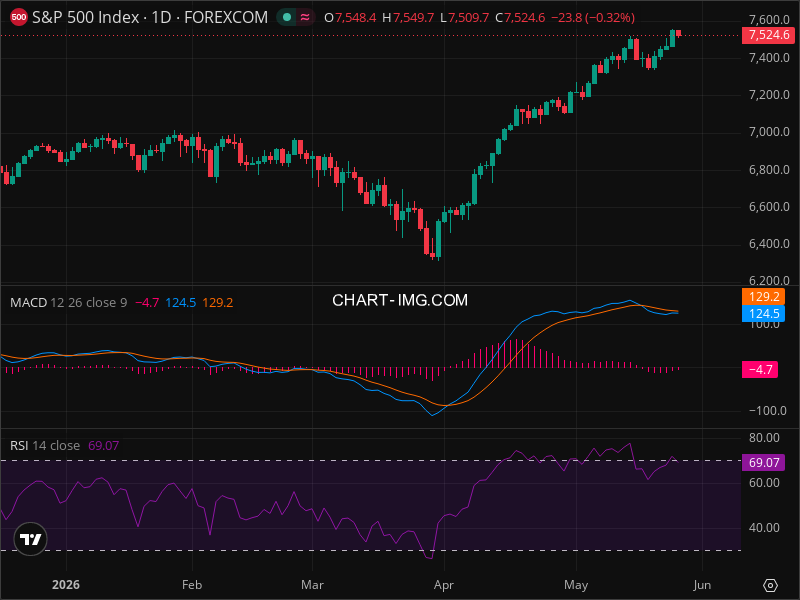
NASDAQ:COIN Daily Stock Chart
On the tech front, Ethereum’s long-delayed transition to proof-of-stake (Ethereum 2.0) continues to weigh on its price. Network upgrades promise scalability and lower energy use, but setbacks have frustrated investors. Similarly, Solana’s recurring outages have raised doubts about its reliability for DeFi and NFT applications, contributing to its 40.2% year-to-date drop.
Industry voices offer a mixed outlook on the current downturn. “This is a classic shakeout,” says Mike Novogratz, CEO of Galaxy Digital, in a recent CNBC interview. “Weak hands are selling, but institutional players are quietly accumulating. The next six months could be pivotal.”
Analysts at JPMorgan echo a cautious optimism, noting that Bitcoin’s hash rate—a measure of network security—remains near all-time highs despite price declines. This suggests miners are still committed, a bullish signal for long-term stability. However, they warn that sustained regulatory pressure could cap upside potential in the near term.
The ripple effects of this crash extend beyond individual portfolios. Crypto startups, particularly in the DeFi space, may face funding challenges as venture capital firms grow wary. Conversely, established players like Bitcoin could solidify their “digital gold” narrative if investors flock to it as a hedge against economic uncertainty.
Let’s break down the financial stakes. With Bitcoin at $68,340, it’s down 15.3% year-to-date, a far cry from its November 2025 high of $69,000. Ethereum’s 23.4% YTD loss paints an even grimmer picture. Yet, historical patterns suggest these dips often set the stage for explosive recoveries.
For opportunistic investors, altcoins like Solana—despite their steep declines—could offer outsized returns if their technical issues are resolved. Bitcoin, meanwhile, remains a safer bet for those prioritizing stability over speculative gains. Curious about potential price targets? See AI price predictions to gauge where the market might head.
Diversification is key in such volatile times. Spreading investments across multiple assets, or even blending crypto with traditional holdings like stocks or gold, can mitigate downside risk. Additionally, setting stop-loss orders can protect against sudden drops.
From a technical perspective, Bitcoin’s price action offers critical clues. The $68,000 level has acted as a key support zone in recent weeks, but a break below could signal a drop to $55,000, according to TradingView data. On the upside, resistance looms at $70,000—a psychological barrier that bulls must reclaim to restore confidence.
Relative Strength Index (RSI) for Bitcoin currently sits at 38, indicating oversold conditions that often precede reversals. Meanwhile, the 50-day moving average, now at $69,500, remains a critical trendline to monitor. For deeper data-driven insights, view AI signals for Bitcoin.
Below is a snapshot of current metrics for major cryptocurrencies:
| Cryptocurrency | Current Price | 24-Hour Change | RSI |
|---|---|---|---|
| Bitcoin (BTC) | $68,340 | -1.71% | 38 |
| Ethereum (ETH) | $1,953.63 | -5.08% | 32 |
| Solana (SOL) | $85.39 | -3.45% | 29 |
What does the future hold for Bitcoin and the broader crypto market? Analysts are split, but data-driven scenarios paint a compelling picture. In a bullish case (40% probability), Bitcoin could surge to $85,000 by mid-2026 if institutional adoption accelerates and regulatory clarity emerges, per JPMorgan forecasts.
Conversely, a bearish outlook (35% probability) sees Bitcoin sliding to $55,000 if macroeconomic conditions worsen. A neutral scenario (25% probability) pegs it at around $68,000, reflecting sideways trading. For a detailed breakdown, get AI fair value estimates to see where the numbers align.
Looking further ahead, some experts predict Bitcoin could reach $150,000 by 2027, driven by growing mainstream acceptance and potential ETF approvals. While speculative, this underscores the transformative potential of digital assets in reshaping finance.
The crash was driven by a mix of macroeconomic fears, including potential rate hikes, and regulatory uncertainty surrounding crypto exchanges and DeFi platforms. Large-scale liquidations by leveraged traders also exacerbated the sell-off, per CoinGecko data.
It depends on your risk tolerance and investment goals. The Fear & Greed Index at 12 suggests extreme fear, often a contrarian buy signal. However, ongoing uncertainties mean caution is warranted. Consider tools like AI analysis for Bitcoin to inform your decision.
Regulatory crackdowns, macroeconomic tightening, and technological hiccups (like Ethereum’s delays or Solana’s outages) are major risks. Market volatility also poses challenges for short-term investors.
While speculative, some analysts see $150,000 as feasible by 2027 if institutional adoption grows and regulatory hurdles clear. Historical halving cycles, which reduce Bitcoin’s supply, often catalyze such rallies.
Leveraging advanced tools can give you an edge. Platforms offering professional AI analysis provide buy/sell signals, price predictions, and risk assessments to help navigate volatility.
Ethereum’s price hinges on the success of its proof-of-stake transition. If completed without further delays, it could reclaim $3,000 by late 2026. Delays, however, might keep it suppressed.
ALL
TRENDING
WATCHLIST
Total Market Cap The Total Market Capitalization (Market Cap) is an indicator that measures the size of all the cryptocurrencies.It’s the total market value of all the cryptocurrencies' circulating supply: so it’s the total value of all the coins that have been mined.
{[{ marketcap }]} {[{ marketcapchange.toLocaleString(undefined, {maximumFractionDigits:2}) }]}% (24H) {[{ marketcapchange.toLocaleString(undefined, {maximumFractionDigits:2}) }]}% (24H)
Symbol
Price Cryptocurrency prices are volatile, and the prices change all the time. We are collecting all the data from several exchanges to provide the most accurate price available.
24H Cryptocurrency prices are volatile… The 24h % change is the difference between the current price and the price24 hours ago.
Trade
{[{ item.name }]}
{[{ index + $index}]}
{[{ item.pair.split('_')[0] }]}
Ƀ{[{item.price.toLocaleString(undefined, {maximumFractionDigits: 5}) }]} ${[{item.price.toLocaleString(undefined, {maximumFractionDigits: 5}) }]}
{[{ item.change24.toLocaleString(undefined, {maximumFractionDigits: 2}) }]}%
{[{ item.change24.toLocaleString(undefined, {maximumFractionDigits: 2}) }]}%
Symbol
Price Cryptocurrency prices are volatile, and the prices change all the time. We are collecting allthe data fromseveral exchanges to provide the most accurate price available.
24H Cryptocurrency prices are volatile… The 24h % change is the difference between the current priceand the price24 hours ago.
Trade
{[{ item.name }]}
{[{ index + $index}]}
{[{ item.pair.split('_')[0] }]}
Ƀ{[{item.price.toLocaleString(undefined, {maximumFractionDigits: 5}) }]} ${[{item.price.toLocaleString(undefined, {maximumFractionDigits: 5}) }]}
{[{ item.change24.toLocaleString(undefined, {maximumFractionDigits: 2}) }]}%
{[{ item.change24.toLocaleString(undefined, {maximumFractionDigits: 2}) }]}%

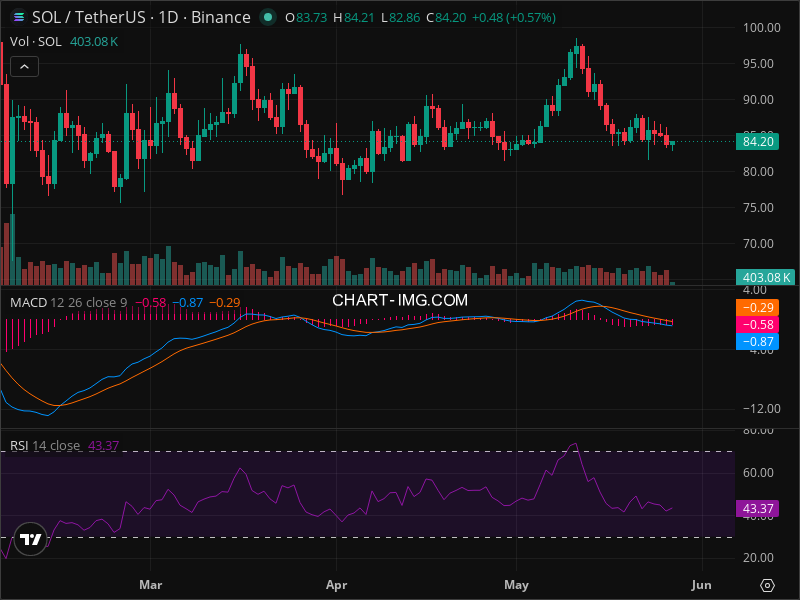
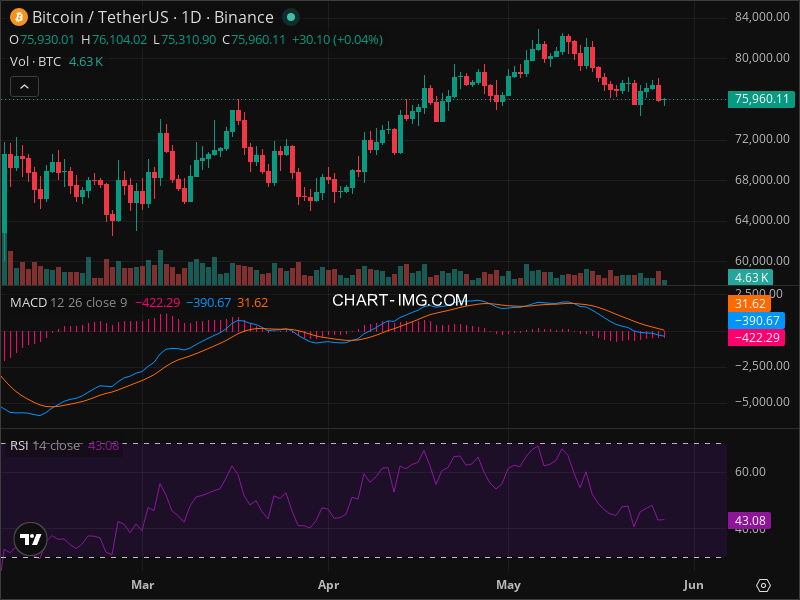
BTC Technical Analysis
May 27, 2026 | Joanna Newman

Soybeans Technical Analysis
May 27, 2026 | Joanna Newman
Live Cattle Technical Analysis
May 27, 2026 | Joanna Newman
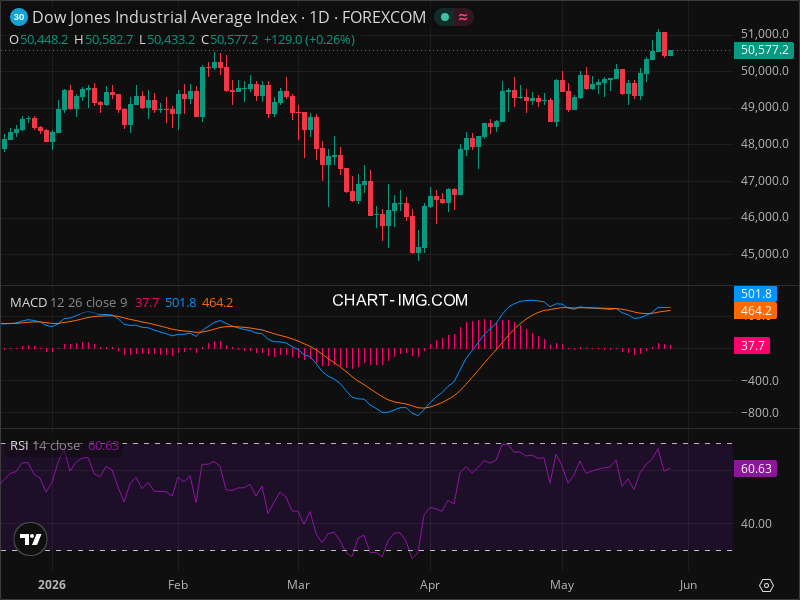
DJI Technical Analysis
May 27, 2026 | Joanna Newman
Tezos (XTZ) Review 2024: Everything You Need to Know Before Buying Tezos
.article-container { font-family: Arial, sans-serif; line-height: 1.6; color: #333; backgrou...
Chromia (CHR) Review 2024: Everything You Need to Know Before Buying Chromia
Illuvium (ILV) Review 2024: Everything You Need to Know Before Buying Illuvium
My Neighbor Alice (ALICE) Review 2024: Everything You Need to Know Before Buying My Neighbor Alice
Star Atlas (ATLAS) Review 2024: Everything You Need to Know Before Buying Star Atlas
TabTrade
What Is TabTrade? A Complete IntroductionTabTrade is a globally oriented multi-asset CFD and forex b...
Funded7
In the fast-moving world of proprietary trading, 2026 has marked a significant shift in what traders...
Bullwaves
Bullwaves Review 2026: A Premium MT5 Brokerage for Multi-Asset TradersBullwaves has quickly carved o...
BlackBull Markets
...
OQtima
Oqtima is an emerging online trading platform that offers a wide range of financial instruments, inc...
(adsbygoogle = window.adsbygoogle || []).push({}); Introduction In t...
(adsbygoogle = window.adsbygoogle || []).push({}); Einführung Wenn es um Er...
Mobi
Are you someone who makes international payments regularly using Bitcoin? Or do you travel a lot and...
Bitcoin.com
Bitcoin.com is a free downloadable Bitcoin wallet that allows users to trade and receive Bitcoins. T...
BTC.com
Created by Bitmain in 2016, BTC.com is a leading open-source Bitcoin and Bitcoin Cash storage platfo...
Bitcoin Price Analysis: Why This Weekend’s Crash Could Signal a $150K Rally
/* Modern SEO & AI-Optimized Article Styles */ /* Fonts loaded via link tags in head for b
Bitcoin Hits Record High Amid Trump’s Surprising Cryptocurrency Support
Trump’s Crypto Revolution .article-container { font-family: Arial, sans-serif; line-height: 1.
Breaking: bitcoin Analysis - What You Need to Know
.article-container { font-family: Arial, sans-serif; line-height: 1.6; c
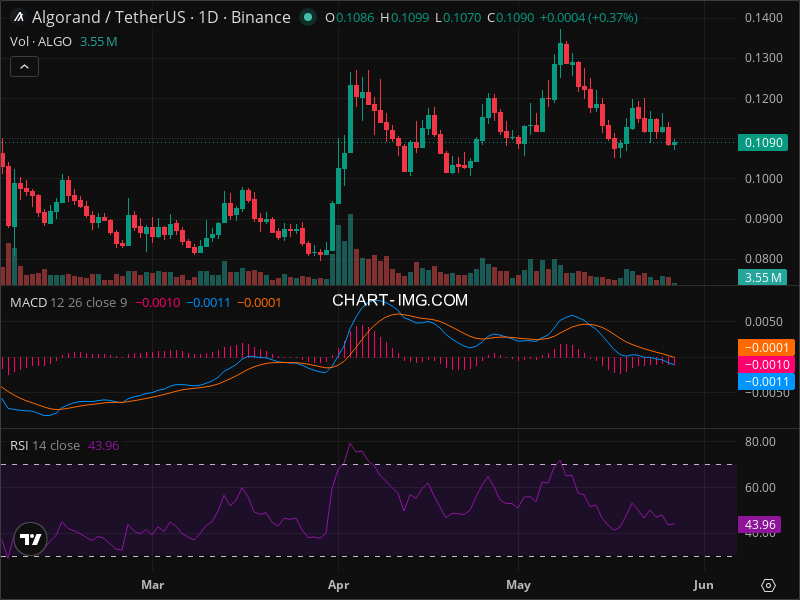
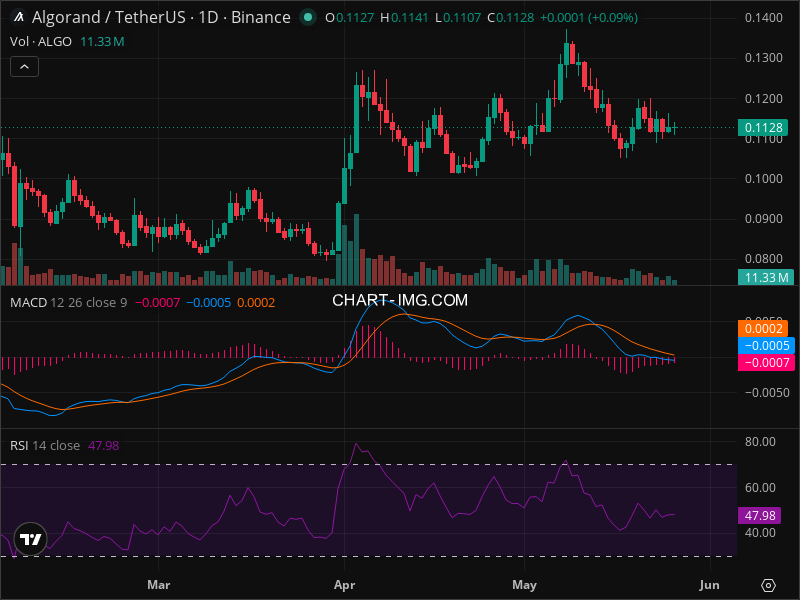
ALGO Technical Analysis
ALGO Chart | TradingView Unlock Your Crypto Potential with InteractiveCrypto Pro
Crypto funds see $1.9B inflows as Bitcoin ETFs extend streak
body { margin: 0; padding: 0; font-family: Georgia, "Times New Roman", serif;
The Top 10 Crypto Assets with the Highest Potential in 2025
.article-container { font-family: Arial, sans-serif; line-height: 1.6; color: #333; background-color
The Ultimate Bitcoin Review 2024: Everything You Need to Know Today
.article-container { font-family: Arial, sans-serif; line-height: 1.6; color: #333; background-colo
The Everyday Fruit that's a Powerhouse of Nutrition and Your Weight Loss Ally
(adsbygoogle = window.adsbygoogle || []).push({}); IntroductionWhen it comes to nutrition a
The oldest and most powerful remedy to permanently get rid of insects and ants
(adsbygoogle = window.adsbygoogle || []).push({}); IntroductionEach year, as the hot season
Two Beds, One Dream: The Growing Trend of Sleeping Apart for Better Rest
(adsbygoogle = window.adsbygoogle || []).push({}); IntroductionIn an era where quality slee
(adsbygoogle = window.adsbygoogle || []).push({}); Introduction In t...
(adsbygoogle = window.adsbygoogle || []).push({}); Einführung Wenn es um Er...
Mobi
Are you someone who makes international payments regularly using Bitcoin? Or do you travel a lot and...
Bitcoin.com
Bitcoin.com is a free downloadable Bitcoin wallet that allows users to trade and receive Bitcoins. T...
BTC.com
Created by Bitmain in 2016, BTC.com is a leading open-source Bitcoin and Bitcoin Cash storage platfo...


 Français
 Spanish
 Deutsch
 Português
 Türkçe
 Italiano
 العربية
 Русский
 Chinese
 Korean
 Japanese
 Vietnamese
 Hebrew
 Hindi
Hindi
 Greek
Greek
 Polish
 Thai
Thai
 Dutch
Dutch
 Malay
Malay




.png)
.png)
.png)













COMMENTS (0)