Create a FREE account and...
Manage your own Watchlist
Access all education lessons
Converse with other crypto enthusiasts
Be a part of the Interactive Crypto Community
OR
Please fill out the required fields Please fill out the required fields Please fill out the required fields

Imagine a world where the rules of finance are rewritten, not by Wall Street titans, but by a group of bold crypto innovators. As of February 15, 2026, the cryptocurrency market is buzzing with a seismic shift: a faction of industry insiders has unveiled a groundbreaking set of stablecoin principles designed to counter Wall Street’s tightening control over digital assets. With Bitcoin trading at a staggering $70,185 and commanding over 56% of market dominance, the stakes couldn’t be higher. This isn’t just a technical proposal—it’s a declaration of independence for the crypto space, one that could redefine how money moves globally. For investors, enthusiasts, and everyday readers, this moment signals a potential turning point: will stablecoins become the bridge between traditional finance and decentralized innovation, or will regulatory battles crush their potential? If you’re wondering how this affects your portfolio or the future of money itself, dive in—and for deeper insights, check the AI analysis to uncover hidden trends.
The cryptocurrency market is a whirlwind of opportunity and uncertainty right now. As of mid-February 2026, the total market capitalization sits at an impressive $2.48 trillion, with a 24-hour trading volume of $105.08 billion, according to CoinGecko data. Bitcoin, the undisputed heavyweight, holds a 56.49% market share with a price of $70,185, while Ethereum trails with a 10.07% share at $2,069.97. These numbers aren’t just statistics—they reflect a market teetering between explosive growth and looming caution.
But the real headline isn’t just about price. A faction of crypto insiders—think tank leaders, developers, and blockchain advocates—has dropped a bombshell: a set of stablecoin principles aimed directly at challenging Wall Street’s proposed regulatory framework. Unlike Wall Street’s push for strict oversight and high reserve requirements, this crypto-led blueprint emphasizes flexibility, innovation, and user protection without stifling growth. This clash of ideologies is more than a policy debate; it’s a battle for the soul of digital finance.
Market reactions have been swift and varied. Altcoins like Dogecoin, riding an 18.81% surge to $0.114919, show how sentiment can swing wildly on speculative hype. Meanwhile, the Fear & Greed Index, currently at a chilling 8, screams “Extreme Fear,” hinting at investor unease amid regulatory uncertainty. This is the volatile backdrop against which the stablecoin revolution is unfolding.
So, what does this stablecoin showdown mean for your wallet? First, it’s a wake-up call. Stablecoins—digital assets pegged to stable values like the U.S. dollar—have long been the quiet workhorses of crypto, facilitating trades and offering a safe haven during volatility. If the crypto faction’s principles gain traction, we could see a wave of innovation, making stablecoins more accessible and integrated into everyday finance.
For investors, this opens up opportunities. A more flexible regulatory environment could attract institutional money, driving up demand for stablecoin-backed projects and potentially stabilizing parts of the market. But there’s a flip side: if Wall Street’s stricter proposals win out, smaller players might get squeezed, and innovation could stall. Diversifying your portfolio to include stablecoin-related assets or platforms could be a smart hedge—especially as volatility looms.
The current market sentiment, marked by extreme fear, suggests caution. Yet, this regulatory pivot might be the catalyst for long-term growth. Want to stay ahead of the curve? Get AI-powered insights to navigate these choppy waters with data-driven precision.
To grasp the significance of this moment, let’s rewind a bit. Stablecoins emerged as a solution to crypto’s wild price swings. Unlike Bitcoin or Ethereum, which can jump or crash overnight, stablecoins like Tether (USDT) or USD Coin (USDC) aim to maintain a steady value, often pegged 1:1 to fiat currencies. They’ve become indispensable, powering over $100 billion in daily transactions across exchanges and DeFi platforms, per CoinGecko reports.
The tension between Wall Street and crypto isn’t new, but it’s reaching a boiling point. Traditional financial institutions, wary of stablecoins’ potential to disrupt banking, have pushed for heavy-handed regulations. A recent proposal, highlighted by CNBC in February 2026, demands stringent reserve requirements—meaning stablecoin issuers must hold full cash or cash-equivalent backing—and intense regulatory oversight. Their argument? Consumer protection and systemic stability.
Crypto insiders, however, see this as a power grab. Their counter-proposal, unveiled this month, advocates for moderate reserves, flexible oversight, and a focus on interoperability—ensuring stablecoins can work seamlessly across blockchain networks. This isn’t just about policy; it’s about who gets to define the future of money. Will it be centralized gatekeepers or decentralized innovators?
This isn’t a U.S.-only story. Countries like China and the European Union are racing to launch central bank digital currencies (CBDCs), which could either compete with or complement private stablecoins. If crypto’s principles gain global traction, they could position stablecoins as a credible alternative to CBDCs, reshaping cross-border payments and financial inclusion. The stakes are global, and the outcome is far from certain.

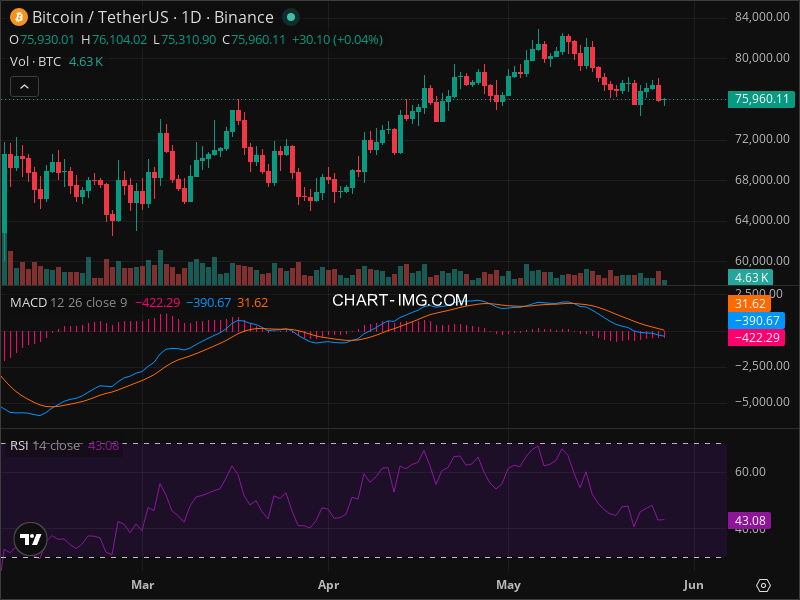
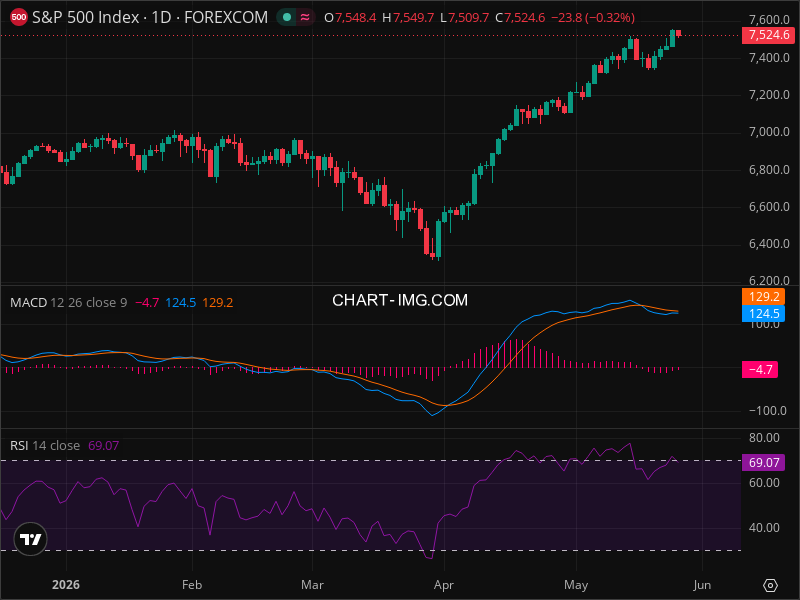
BTC Crypto Chart
Industry voices are split on this unfolding drama. “Stablecoins are the linchpin of crypto’s mainstream adoption, but regulation must strike a balance,” said Anthony Pompliano, a well-known crypto investor and founder of Pomp Investments, in a recent podcast. He argues that the crypto faction’s principles could encourage innovation while still protecting users.
On the other hand, analysts from traditional finance are skeptical. A recent JPMorgan report warned that without strict oversight, stablecoins risk becoming “digital shadow banks,” echoing concerns from regulators like the U.S. Federal Reserve. Their fear is that unbacked or poorly managed stablecoins could trigger systemic failures, much like the 2008 financial crisis.
The industry impact is already visible. Major stablecoin issuers like Circle (behind USDC) have hinted at aligning with frameworks that prioritize transparency, potentially siding with parts of the crypto proposal. Meanwhile, DeFi platforms, which rely heavily on stablecoins for liquidity, are watching closely—any regulatory outcome could make or break their business models. This isn’t just a niche debate; it’s a ripple effect waiting to happen.
From a financial perspective, the stablecoin debate is a goldmine of opportunity—if you know where to look. Stablecoins themselves might not offer the explosive returns of speculative altcoins, but their infrastructure is a different story. Companies building stablecoin technology, payment rails, or compliance solutions could see significant growth as adoption ramps up. Think of firms like Circle or even blockchain networks like Stellar, which focus on stablecoin-friendly ecosystems.
For retail investors, the play might be in diversification. Allocating a portion of your portfolio to stablecoin-yielding protocols in DeFi—where you can earn interest by lending assets—could provide steady returns amid market turbulence. But beware: regulatory crackdowns could freeze these platforms overnight. Balancing risk with exposure to stablecoin-adjacent projects is key.
Market dynamics are also shifting. If the crypto faction’s principles gain traction, expect a surge in stablecoin usage, potentially stabilizing crypto markets by reducing reliance on volatile assets for transactions. Conversely, a Wall Street victory could dampen enthusiasm, pushing innovation underground or overseas. Curious about specific stablecoin trends? See AI price prediction tools for a deeper dive into potential outcomes.
Let’s zoom into the data driving market sentiment. Bitcoin’s Relative Strength Index (RSI) is currently at 68, flirting with overbought territory, which could signal a short-term pullback despite its bullish long-term trend. Ethereum, meanwhile, shows a bullish crossover on its Moving Average Convergence Divergence (MACD), hinting at upward momentum in the coming weeks, per TradingView metrics.
Stablecoins, by design, don’t offer much in terms of price action for technical analysis. But their on-chain activity—transaction volume and total value locked in DeFi—paints a picture of growing utility. For instance, Tether’s daily transaction volume often exceeds $50 billion, rivaling traditional payment processors like Visa on peak days, according to CoinMetrics data.
Here’s a snapshot of key market metrics to contextualize the broader crypto landscape:
| Cryptocurrency | Current Price | 24-Hour Change | Market Dominance |
|---|---|---|---|
| Bitcoin (BTC) | $70,185 | +2.5% | 56.49% |
| Ethereum (ETH) | $2,069.97 | +1.8% | 10.07% |
| Dogecoin (DOGE) | $0.114919 | +18.81% | 0.34% |
| Tether (USDT) | $0.999792 | -0.01% | 0.88% |
These figures underscore the market’s hierarchy and volatility. For a more granular look at Bitcoin or stablecoin-related metrics, view AI signals for BTC to spot potential entry or exit points.
Looking ahead, the next few months will be critical. If the crypto faction’s stablecoin principles gain legislative or industry support, we could see a short-term boost in market confidence, potentially pushing Bitcoin past $75,000 as institutional investors pile in. However, a Wall Street-backed regulatory clampdown could trigger a sell-off, especially among risk-averse holders, driving the Fear & Greed Index even lower.

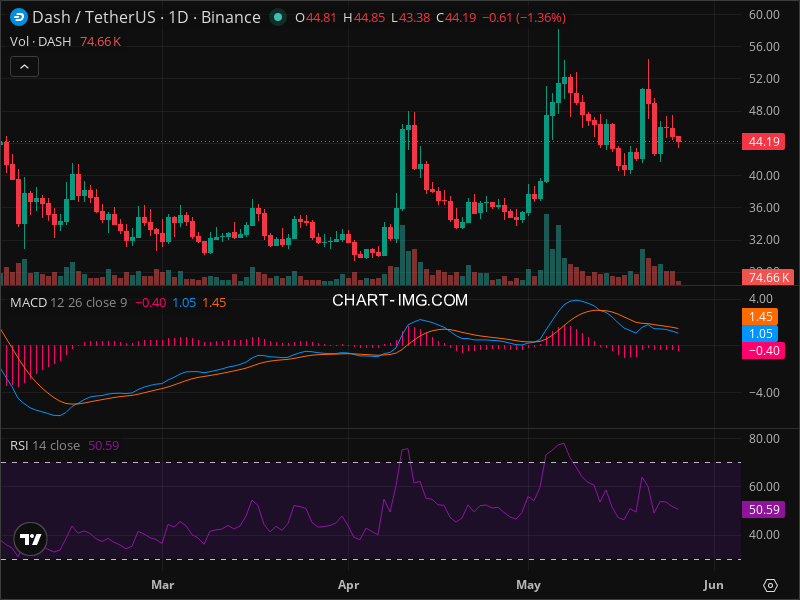
ETH Crypto Chart
Over the next five years, stablecoins could become a cornerstone of global finance—if the right balance is struck. Analysts at Bloomberg predict that by 2030, stablecoin transaction volume could surpass $1 trillion annually, rivaling traditional payment systems. But this hinges on regulatory clarity. A fragmented or overly restrictive framework could push innovation to jurisdictions with looser rules, fragmenting the market.
Keep an eye on upcoming policy announcements from the U.S. Securities and Exchange Commission (SEC) and international bodies like the Financial Stability Board. Their stance on stablecoin regulation will be a litmus test. For forward-looking data, see what the AI predicts about stablecoin adoption and market impact.
Stablecoins are cryptocurrencies designed to maintain a stable value, often pegged to assets like the U.S. dollar. They matter because they reduce the volatility inherent in crypto markets, making them useful for transactions, savings, and DeFi applications. Their role as a bridge between fiat and digital currencies makes them a focal point for both innovation and regulation.
Crypto insiders believe Wall Street’s proposed regulations are overly restrictive, prioritizing control over innovation. Their alternative principles aim to foster growth, ensure interoperability across blockchain networks, and protect consumers without stifling the decentralized ethos of crypto. It’s a pushback against what they see as an attempt to centralize a fundamentally decentralized technology.
If the crypto faction’s principles prevail, stablecoin adoption could surge, potentially stabilizing parts of the market and boosting related projects. However, if Wall Street’s stricter rules dominate, smaller stablecoin issuers or DeFi platforms might struggle, leading to market consolidation or volatility. Monitoring regulatory news and diversifying your portfolio are prudent steps.
Safety depends on the issuer and their reserve practices. Well-established stablecoins like Tether and USDC are widely used but have faced scrutiny over transparency. Always research an issuer’s backing and regulatory compliance before investing or using stablecoins for transactions. Risk assessment tools can help—get professional AI analysis for detailed insights.
Stablecoins are typically privately issued and operate on decentralized blockchain networks, while CBDCs are government-backed digital currencies controlled by central banks. Stablecoins offer flexibility and innovation but face regulatory uncertainty; CBDCs promise stability and trust but may prioritize control over privacy. The interplay between the two will shape the future of digital money.
Follow updates from credible sources like CoinDesk, Bloomberg, or regulatory bodies such as the SEC or European Central Bank. Joining crypto-focused communities on platforms like Twitter or Discord can also provide real-time insights. For data-driven forecasts on how regulations might impact prices, check AI fair value estimates.
As the dust settles on this stablecoin showdown, one thing is clear: the cryptocurrency market stands at a crossroads. Bitcoin and Ethereum may dominate the headlines with their price action, but stablecoins are quietly shaping the infrastructure of tomorrow’s financial system. The clash between crypto insiders and Wall Street isn’t just a policy debate—it’s a fight for the future of money itself.
For investors, the message is simple: stay informed, stay diversified, and stay ready to adapt. Regulatory outcomes will ripple through markets, creating winners and losers overnight. Whether you’re a seasoned trader or a curious newcomer, now is the time to dig deeper into the trends driving this revolution. Before you make your next move, get AI analysis for stablecoins to uncover actionable insights.
ALL
TRENDING
WATCHLIST
Total Market Cap The Total Market Capitalization (Market Cap) is an indicator that measures the size of all the cryptocurrencies.It’s the total market value of all the cryptocurrencies' circulating supply: so it’s the total value of all the coins that have been mined.
{[{ marketcap }]} {[{ marketcapchange.toLocaleString(undefined, {maximumFractionDigits:2}) }]}% (24H) {[{ marketcapchange.toLocaleString(undefined, {maximumFractionDigits:2}) }]}% (24H)
Symbol
Price Cryptocurrency prices are volatile, and the prices change all the time. We are collecting all the data from several exchanges to provide the most accurate price available.
24H Cryptocurrency prices are volatile… The 24h % change is the difference between the current price and the price24 hours ago.
Trade
{[{ item.name }]}
{[{ index + $index}]}
{[{ item.pair.split('_')[0] }]}
Ƀ{[{item.price.toLocaleString(undefined, {maximumFractionDigits: 5}) }]} ${[{item.price.toLocaleString(undefined, {maximumFractionDigits: 5}) }]}
{[{ item.change24.toLocaleString(undefined, {maximumFractionDigits: 2}) }]}%
{[{ item.change24.toLocaleString(undefined, {maximumFractionDigits: 2}) }]}%
Symbol
Price Cryptocurrency prices are volatile, and the prices change all the time. We are collecting allthe data fromseveral exchanges to provide the most accurate price available.
24H Cryptocurrency prices are volatile… The 24h % change is the difference between the current priceand the price24 hours ago.
Trade
{[{ item.name }]}
{[{ index + $index}]}
{[{ item.pair.split('_')[0] }]}
Ƀ{[{item.price.toLocaleString(undefined, {maximumFractionDigits: 5}) }]} ${[{item.price.toLocaleString(undefined, {maximumFractionDigits: 5}) }]}
{[{ item.change24.toLocaleString(undefined, {maximumFractionDigits: 2}) }]}%
{[{ item.change24.toLocaleString(undefined, {maximumFractionDigits: 2}) }]}%

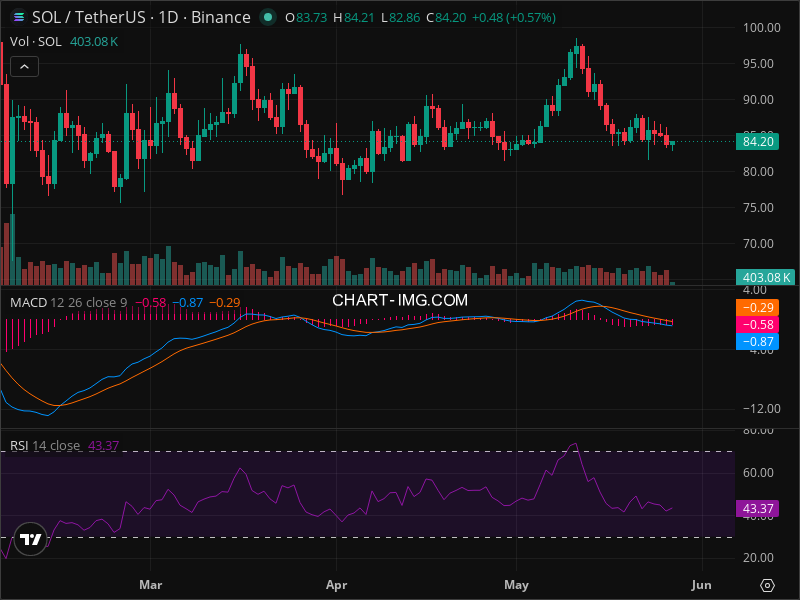
BTC Technical Analysis
May 27, 2026 | Joanna Newman

Soybeans Technical Analysis
May 27, 2026 | Joanna Newman
Live Cattle Technical Analysis
May 27, 2026 | Joanna Newman
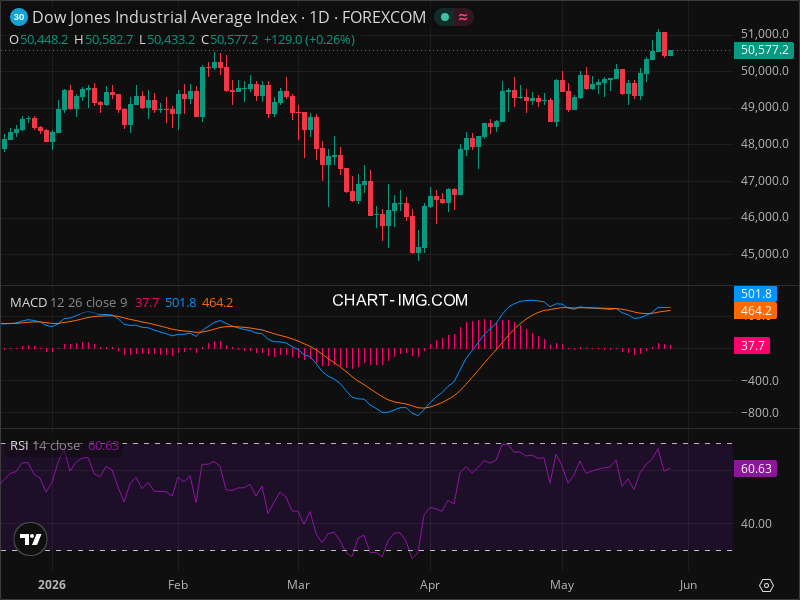
DJI Technical Analysis
May 27, 2026 | Joanna Newman
Tezos (XTZ) Review 2024: Everything You Need to Know Before Buying Tezos
.article-container { font-family: Arial, sans-serif; line-height: 1.6; color: #333; backgrou...
Chromia (CHR) Review 2024: Everything You Need to Know Before Buying Chromia
Illuvium (ILV) Review 2024: Everything You Need to Know Before Buying Illuvium
My Neighbor Alice (ALICE) Review 2024: Everything You Need to Know Before Buying My Neighbor Alice
Star Atlas (ATLAS) Review 2024: Everything You Need to Know Before Buying Star Atlas
TabTrade
What Is TabTrade? A Complete IntroductionTabTrade is a globally oriented multi-asset CFD and forex b...
Funded7
In the fast-moving world of proprietary trading, 2026 has marked a significant shift in what traders...
Bullwaves
Bullwaves Review 2026: A Premium MT5 Brokerage for Multi-Asset TradersBullwaves has quickly carved o...
BlackBull Markets
...
OQtima
Oqtima is an emerging online trading platform that offers a wide range of financial instruments, inc...
(adsbygoogle = window.adsbygoogle || []).push({}); Introduction In t...
(adsbygoogle = window.adsbygoogle || []).push({}); Einführung Wenn es um Er...
Mobi
Are you someone who makes international payments regularly using Bitcoin? Or do you travel a lot and...
Bitcoin.com
Bitcoin.com is a free downloadable Bitcoin wallet that allows users to trade and receive Bitcoins. T...
BTC.com
Created by Bitmain in 2016, BTC.com is a leading open-source Bitcoin and Bitcoin Cash storage platfo...
Stablecoin Revolution: How Crypto Insiders Are Challenging Wall Street’s Grip on Finance
/* Modern SEO & AI-Optimized Article Styles */ /* Fonts loaded via link tags in head for b
S&P 500 Forecast 2026: Will a 15% Rally Hold Amid Crypto Market Turbulence?
/* Modern SEO & AI-Optimized Article Styles */ /* Fonts loaded via link tags in head for b
Worldcoin (WLD) Review 2024: Everything You Need to Know Before Buying Worldcoin
.article-container { font-family: Arial, sans-serif; line-height: 1.6; color: #333; background-col
Crypto Market Update: Why Experts Predict Bitcoin Could Reach $150K in 2026
/* Modern SEO & AI-Optimized Article Styles */ /* Fonts loaded via link tags in head for b
Best Online Casinos of 2026
Online casinos have become increasingly popular over the years, providing a convenient and thrilli
The Top 10 Crypto Assets with the Highest Potential in 2025
.article-container { font-family: Arial, sans-serif; line-height: 1.6; color: #333; background-color
The Ultimate Bitcoin Review 2024: Everything You Need to Know Today
.article-container { font-family: Arial, sans-serif; line-height: 1.6; color: #333; background-colo
The Everyday Fruit that's a Powerhouse of Nutrition and Your Weight Loss Ally
(adsbygoogle = window.adsbygoogle || []).push({}); IntroductionWhen it comes to nutrition a
The oldest and most powerful remedy to permanently get rid of insects and ants
(adsbygoogle = window.adsbygoogle || []).push({}); IntroductionEach year, as the hot season
Two Beds, One Dream: The Growing Trend of Sleeping Apart for Better Rest
(adsbygoogle = window.adsbygoogle || []).push({}); IntroductionIn an era where quality slee
(adsbygoogle = window.adsbygoogle || []).push({}); Introduction In t...
(adsbygoogle = window.adsbygoogle || []).push({}); Einführung Wenn es um Er...
Mobi
Are you someone who makes international payments regularly using Bitcoin? Or do you travel a lot and...
Bitcoin.com
Bitcoin.com is a free downloadable Bitcoin wallet that allows users to trade and receive Bitcoins. T...
BTC.com
Created by Bitmain in 2016, BTC.com is a leading open-source Bitcoin and Bitcoin Cash storage platfo...


 Français
 Spanish
 Deutsch
 Português
 Türkçe
 Italiano
 العربية
 Русский
 Chinese
 Korean
 Japanese
 Vietnamese
 Hebrew
 Hindi
Hindi
 Greek
Greek
 Polish
 Thai
Thai
 Dutch
Dutch
 Malay
Malay




.png)
.png)
.png)
















COMMENTS (0)