Create a FREE account and...
Manage your own Watchlist
Access all education lessons
Converse with other crypto enthusiasts
Be a part of the Interactive Crypto Community
OR
Please fill out the required fields Please fill out the required fields Please fill out the required fields

In the ever-evolving world of cryptocurrency, a groundbreaking development is sending ripples through the market. As of April 15, 2026, the Ethereum Foundation has announced a transformative $1 million audit subsidy program aimed at bolstering crypto security and slashing development costs. With Ethereum (ETH) currently trading at $2,324.7—a decline of 1.77% in the last 24 hours—this initiative could be the catalyst that reshapes the blockchain landscape.
Why does this matter to you? Whether you're an investor, developer, or simply a crypto enthusiast, this move promises a safer, more accessible Ethereum ecosystem, potentially driving mass adoption and long-term value. Curious about what this means for the future of Ethereum and your portfolio? Dive in as we unpack the implications, market dynamics, and expert predictions surrounding this game-changing program. For deeper insights, check the AI analysis on Ethereum’s current trajectory.
The cryptocurrency market is no stranger to volatility, and as of April 2026, it’s grappling with a pervasive sense of "Extreme Fear." The Fear & Greed Index, a widely regarded sentiment indicator, sits at a dismal 23, reflecting investor caution amid economic uncertainty. The total crypto market cap stands at $2.60 trillion, with a 24-hour trading volume of $126.73 billion, according to data from CoinGecko.
Bitcoin continues to dominate with a 57.33% market share, acting as a relative safe haven for jittery investors. Ethereum, holding a 10.83% dominance, remains a critical player despite its recent price dip. The Ethereum Foundation’s announcement of a $1 million subsidy for security audits couldn’t come at a more pivotal moment, as the industry seeks stability through innovation.
This program isn’t just a financial boost—it’s a strategic pivot. By addressing security vulnerabilities and reducing the financial burden on developers, Ethereum is positioning itself as the go-to platform for decentralized applications (dApps) and smart contracts. Could this be the spark that reignites investor confidence?
For investors, the Ethereum Foundation’s subsidy program is a double-edged sword of opportunity and caution. On one hand, it signals a safer ecosystem—security audits are often prohibitively expensive, costing between $50,000 and $100,000 per project. By subsidizing these costs, Ethereum is likely to attract a wave of new developers, fostering innovation and potentially increasing the network’s value over time.
On the other hand, the current market sentiment of "Extreme Fear" suggests that short-term price gains for ETH may be limited. Investors should temper expectations for immediate returns and instead focus on Ethereum’s long-term fundamentals. The reduced risk of exploits and hacks could draw institutional capital, a key driver of sustained growth in crypto markets.
So, what’s the actionable takeaway? Consider diversifying exposure to Ethereum-based projects while keeping an eye on broader market trends. For a data-driven perspective, get AI-powered insights on ETH’s potential price movements and risk assessments.
Security has long been the Achilles’ heel of blockchain technology. High-profile hacks and smart contract exploits have cost the industry billions, eroding trust among users and investors. For Ethereum, which hosts a significant portion of decentralized finance (DeFi) protocols, ensuring robust security isn’t just a priority—it’s a necessity.
Comprehensive security audits are the gold standard for identifying vulnerabilities, but their cost often deters smaller development teams. A single audit can drain resources that could otherwise fund innovation, creating a vicious cycle of underfunded projects and heightened risk. The Ethereum Foundation’s $1 million subsidy program directly tackles this issue by halving audit costs, making them accessible to a broader range of developers.
Beyond security, this initiative aligns with Ethereum’s long-term vision of scalability and adoption. Since transitioning to Ethereum 2.0 with its proof-of-stake consensus mechanism, the network has prioritized energy efficiency and transaction throughput. By coupling these technical upgrades with financial incentives for security, Ethereum is building a moat against competitors like Solana and Polkadot.
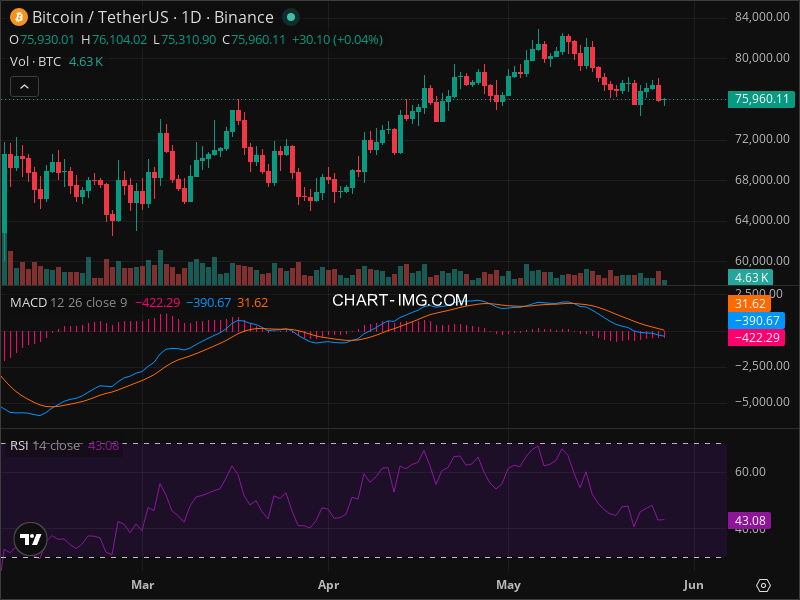
BTC/USDT Live Chart - TradingView
Moreover, the subsidy program could accelerate the growth of Total Value Locked (TVL) in Ethereum’s DeFi ecosystem. As more secure dApps launch, user confidence and capital inflows are likely to follow. This isn’t just a win for Ethereum—it’s a potential turning point for the entire crypto industry.
Industry leaders are already weighing in on the Ethereum Foundation’s bold move. According to a recent Bloomberg report, analysts view the subsidy as a “proactive step” toward addressing systemic risks in DeFi. “Security is the bedrock of trust in blockchain technology,” noted a senior analyst at JPMorgan, who requested anonymity due to company policy. “Ethereum’s initiative could set a new standard for the industry.”
The ripple effects extend beyond Ethereum itself. Competing blockchain platforms may feel pressure to implement similar programs, raising the bar for security across the board. For developers, the subsidy lowers the barrier to entry, potentially sparking a wave of innovation in areas like non-fungible tokens (NFTs), gaming, and decentralized governance.
However, not everyone is convinced of immediate impact. Some market watchers argue that in a climate of "Extreme Fear," investor focus remains on short-term survival rather than long-term potential. Still, the consensus leans toward optimism for Ethereum’s strategic positioning. Want to see what data backs this up? View AI signals for ETH to explore expert-driven predictions.
Let’s break down the numbers. Without subsidies, a security audit can cost up to $100,000—a hefty sum for small teams or startups. With the Ethereum Foundation’s support, costs could drop to as low as $25,000, freeing up capital for development, marketing, or user acquisition. This financial relief could unleash a flood of new projects, each contributing to Ethereum’s network effects.
From an investment perspective, enhanced security is a magnet for institutional players. Hedge funds, pension funds, and corporate treasuries have historically shied away from DeFi due to perceived risks. By prioritizing audits, Ethereum addresses these concerns head-on, potentially unlocking billions in new capital. Could this be the tipping point for mainstream adoption?
The interplay between security and market value is complex. While a safer ecosystem should theoretically boost ETH’s price, current market conditions—marked by a $2.60 trillion cap and declining altcoin prices—suggest a delayed reaction. Investors with a long-term horizon might find this an opportune moment to accumulate ETH at lower prices, betting on future growth. For a deeper dive into valuation models, check AI fair value estimates for Ethereum.
Let’s shift gears to the charts. Ethereum’s current price of $2,324.7 reflects a 1.77% drop over the past 24 hours, aligning with broader altcoin weakness. Technical indicators like the Relative Strength Index (RSI) hover near oversold territory, suggesting a potential reversal if buying pressure emerges. However, the 50-day moving average remains a resistance level to watch.
Here’s a snapshot of key market metrics:
| Cryptocurrency | Current Price | 24h Change |
|---|---|---|
| Bitcoin (BTC) | $74,258 | -0.17% |
| Ethereum (ETH) | $2,324.7 | -1.77% |
| Binance Coin (BNB) | $616.05 | +0.05% |
From a technical standpoint, Ethereum’s fundamentals remain strong post-Ethereum 2.0. The proof-of-stake upgrade enhances scalability, a critical factor for supporting new dApps spurred by the subsidy program. While short-term volatility persists, long-term indicators point to bullish momentum if market sentiment shifts. Curious about precise price targets? See AI price predictions for Ethereum.
In the near term, Ethereum faces headwinds from macroeconomic factors and investor sentiment. Persistent "Extreme Fear" could suppress price action, keeping ETH below key resistance levels. Analysts estimate a 40% probability of a bearish scenario, with prices potentially dropping to $1,800 by Q4 2026 if selling pressure intensifies.
ETH/USDT Live Chart - TradingView
Looking further ahead, the outlook brightens. A bullish scenario, with a 60% probability, projects ETH reaching $3,000 by year-end, driven by increased developer activity and institutional inflows. The subsidy program’s impact on security and innovation could amplify these gains, positioning Ethereum as a cornerstone of the crypto economy.
Ultimately, the success of this initiative hinges on execution. If the Ethereum Foundation can demonstrate tangible results—fewer exploits, more dApps, higher TVL—the network’s value proposition strengthens significantly. The road ahead is uncertain, but the potential for a major shift in crypto innovation is undeniable.
Security isn’t just a technical concern—it’s a regulatory one. Governments worldwide are tightening oversight of cryptocurrencies, with frameworks like the EU’s MiCA regulation emphasizing consumer protection. By prioritizing audits, Ethereum aligns with these expectations, potentially easing regulatory friction and fostering adoption in key markets.
The program’s impact may vary by region. In the U.S. and EU, where compliance is paramount, Ethereum’s focus on security could accelerate institutional partnerships. In less regulated markets, the immediate effect might be muted, though the long-term benefits of a safer ecosystem remain universal.
As global policies evolve, Ethereum’s proactive stance positions it favorably. Blockchain platforms that fail to address security may struggle under regulatory scrutiny, while Ethereum could emerge as a trusted standard-bearer for decentralized technology.
The program allocates $1 million to subsidize security audits for projects built on the Ethereum network. By reducing costs—often by 50% or more—it aims to enhance security and encourage innovation among developers, ultimately strengthening the ecosystem.
In the short term, price impact may be limited due to broader market sentiment. Over the long term, improved security and increased developer activity could drive demand for ETH, potentially boosting its value. For real-time data, get AI analysis for Ethereum.
Developers, particularly smaller teams, benefit most directly by gaining access to affordable audits. Investors and users also gain from a safer network, as the risk of hacks and exploits decreases. The broader crypto industry could see elevated standards as a result.
Yes, potentially. Institutional players often cite security concerns as a barrier to entry. Ethereum’s initiative addresses this, making it a more appealing option for large-scale capital deployment.
Few competitors have matched Ethereum’s commitment to security subsidies. While platforms like Solana focus on speed, Ethereum’s dual emphasis on scalability and safety gives it a unique edge, especially for DeFi applications.
Investment decisions depend on your risk tolerance and time horizon. While short-term volatility persists, Ethereum’s long-term outlook remains strong due to initiatives like this subsidy program. For detailed metrics, see what the AI predicts for ETH.
ALL
TRENDING
WATCHLIST
Total Market Cap The Total Market Capitalization (Market Cap) is an indicator that measures the size of all the cryptocurrencies.It’s the total market value of all the cryptocurrencies' circulating supply: so it’s the total value of all the coins that have been mined.
{[{ marketcap }]} {[{ marketcapchange.toLocaleString(undefined, {maximumFractionDigits:2}) }]}% (24H) {[{ marketcapchange.toLocaleString(undefined, {maximumFractionDigits:2}) }]}% (24H)
Symbol
Price Cryptocurrency prices are volatile, and the prices change all the time. We are collecting all the data from several exchanges to provide the most accurate price available.
24H Cryptocurrency prices are volatile… The 24h % change is the difference between the current price and the price24 hours ago.
Trade
{[{ item.name }]}
{[{ index + $index}]}
{[{ item.pair.split('_')[0] }]}
Ƀ{[{item.price.toLocaleString(undefined, {maximumFractionDigits: 5}) }]} ${[{item.price.toLocaleString(undefined, {maximumFractionDigits: 5}) }]}
{[{ item.change24.toLocaleString(undefined, {maximumFractionDigits: 2}) }]}%
{[{ item.change24.toLocaleString(undefined, {maximumFractionDigits: 2}) }]}%
Symbol
Price Cryptocurrency prices are volatile, and the prices change all the time. We are collecting allthe data fromseveral exchanges to provide the most accurate price available.
24H Cryptocurrency prices are volatile… The 24h % change is the difference between the current priceand the price24 hours ago.
Trade
{[{ item.name }]}
{[{ index + $index}]}
{[{ item.pair.split('_')[0] }]}
Ƀ{[{item.price.toLocaleString(undefined, {maximumFractionDigits: 5}) }]} ${[{item.price.toLocaleString(undefined, {maximumFractionDigits: 5}) }]}
{[{ item.change24.toLocaleString(undefined, {maximumFractionDigits: 2}) }]}%
{[{ item.change24.toLocaleString(undefined, {maximumFractionDigits: 2}) }]}%

BTC Technical Analysis
May 27, 2026 | Joanna Newman

Soybeans Technical Analysis
May 27, 2026 | Joanna Newman
Live Cattle Technical Analysis
May 27, 2026 | Joanna Newman
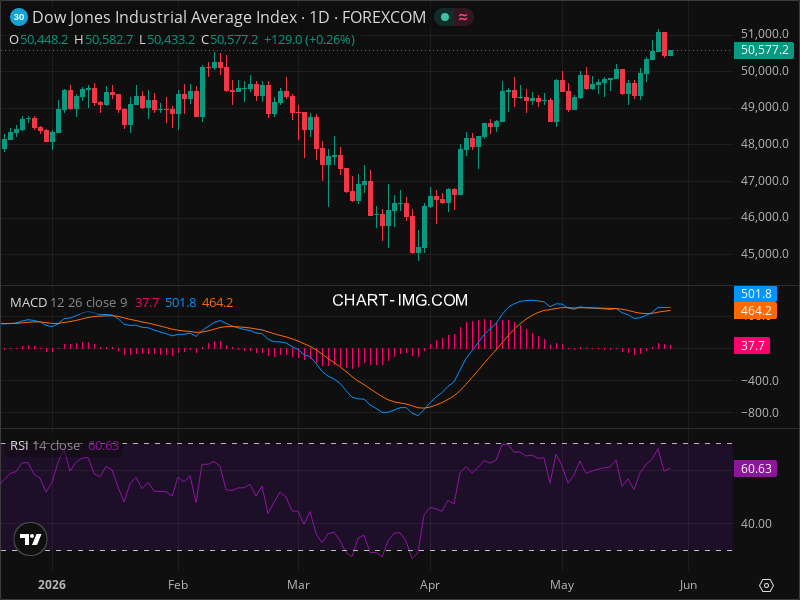
DJI Technical Analysis
May 27, 2026 | Joanna Newman
Tezos (XTZ) Review 2024: Everything You Need to Know Before Buying Tezos
.article-container { font-family: Arial, sans-serif; line-height: 1.6; color: #333; backgrou...
Chromia (CHR) Review 2024: Everything You Need to Know Before Buying Chromia
Illuvium (ILV) Review 2024: Everything You Need to Know Before Buying Illuvium
My Neighbor Alice (ALICE) Review 2024: Everything You Need to Know Before Buying My Neighbor Alice
Star Atlas (ATLAS) Review 2024: Everything You Need to Know Before Buying Star Atlas
TabTrade
What Is TabTrade? A Complete IntroductionTabTrade is a globally oriented multi-asset CFD and forex b...
Funded7
In the fast-moving world of proprietary trading, 2026 has marked a significant shift in what traders...
Bullwaves
Bullwaves Review 2026: A Premium MT5 Brokerage for Multi-Asset TradersBullwaves has quickly carved o...
BlackBull Markets
...
OQtima
Oqtima is an emerging online trading platform that offers a wide range of financial instruments, inc...
(adsbygoogle = window.adsbygoogle || []).push({}); Introduction In t...
(adsbygoogle = window.adsbygoogle || []).push({}); Einführung Wenn es um Er...
Mobi
Are you someone who makes international payments regularly using Bitcoin? Or do you travel a lot and...
Bitcoin.com
Bitcoin.com is a free downloadable Bitcoin wallet that allows users to trade and receive Bitcoins. T...
BTC.com
Created by Bitmain in 2016, BTC.com is a leading open-source Bitcoin and Bitcoin Cash storage platfo...
Ethereum Foundation unveils $1M audit subsidy program to boost crypto security and cut costs for builders
/* Modern SEO & AI-Optimized Article Styles */ /* Fonts loaded via link tags in head for b
BlackBull Markets
(adsbygoogle = window.adsbygoogle || []).push({}); Introduction In the whirlwind of
(adsbygoogle = window.adsbygoogle || []).push({}); Einführung Wenn es um Ernähr
Funded7
In the fast-moving world of proprietary trading, 2026 has marked a significant shift in what traders
The Top 10 Crypto Assets with the Highest Potential in 2025
.article-container { font-family: Arial, sans-serif; line-height: 1.6; color: #333; background-color
The Ultimate Bitcoin Review 2024: Everything You Need to Know Today
.article-container { font-family: Arial, sans-serif; line-height: 1.6; color: #333; background-colo
The Everyday Fruit that's a Powerhouse of Nutrition and Your Weight Loss Ally
(adsbygoogle = window.adsbygoogle || []).push({}); IntroductionWhen it comes to nutrition a
The oldest and most powerful remedy to permanently get rid of insects and ants
(adsbygoogle = window.adsbygoogle || []).push({}); IntroductionEach year, as the hot season
Two Beds, One Dream: The Growing Trend of Sleeping Apart for Better Rest
(adsbygoogle = window.adsbygoogle || []).push({}); IntroductionIn an era where quality slee
(adsbygoogle = window.adsbygoogle || []).push({}); Introduction In t...
(adsbygoogle = window.adsbygoogle || []).push({}); Einführung Wenn es um Er...
Mobi
Are you someone who makes international payments regularly using Bitcoin? Or do you travel a lot and...
Bitcoin.com
Bitcoin.com is a free downloadable Bitcoin wallet that allows users to trade and receive Bitcoins. T...
BTC.com
Created by Bitmain in 2016, BTC.com is a leading open-source Bitcoin and Bitcoin Cash storage platfo...


 Français
 Spanish
 Deutsch
 Português
 Türkçe
 Italiano
 العربية
 Русский
 Chinese
 Korean
 Japanese
 Vietnamese
 Hebrew
 Hindi
Hindi
 Greek
Greek
 Polish
 Thai
Thai
 Dutch
Dutch
 Malay
Malay




.png)
.png)
.png)












COMMENTS (0)