Create a FREE account and...
Manage your own Watchlist
Access all education lessons
Converse with other crypto enthusiasts
Be a part of the Interactive Crypto Community
OR
Please fill out the required fields Please fill out the required fields Please fill out the required fields

As of February 8, 2026, the financial world is standing at a crossroads. A groundbreaking insight from EY is sending shockwaves through the industry: companies that fail to take control of their own digital wallets risk being left behind in the rapidly evolving landscape of cryptocurrency and blockchain technology. With Bitcoin trading at $69,251—a 2.29% dip in just 24 hours—and a staggering $2.44 trillion market cap for cryptocurrencies, the stakes have never been higher. This isn’t just about tech adoption; it’s about survival, control, and redefining power in the digital age. What does this mean for your investments, your business, or even your personal financial future? Let’s dive into why owning a wallet could be the strategic move that changes everything—and how you can stay ahead of the curve with tools like Get AI-powered insights.
The urgency couldn’t be clearer. As traditional banking models crumble under the weight of decentralized innovation, EY’s prediction signals a future where self-custody isn’t just an option—it’s a necessity. Whether you’re an institutional investor, a small business owner, or an individual navigating this volatile market, the shift toward wallet ownership could redefine how you interact with money itself. Stick with us as we unpack this seismic trend from every angle, offering insights and data to help you make sense of it all.
The cryptocurrency market on February 8, 2026, is a fascinating blend of opportunity and caution. Despite Bitcoin’s recent 2.29% dip to $69,251 and Ethereum’s slight 0.50% decline to $2,083.05, the total market capitalization stands at an impressive $2.44 trillion, with a 24-hour trading volume of $147.64 billion, according to CoinGecko data. Bitcoin still dominates with a 56.65% market share, while Ethereum holds strong at 10.29%, reinforcing its pivotal role in decentralized finance (DeFi) and non-fungible tokens (NFTs). Yet, the Fear & Greed Index, sitting at a chilling 7 (indicating “Extreme Fear” per Alternative.me), suggests investors are on edge, bracing for volatility.
What’s driving this tension? EY’s recent report highlights a critical pivot: the urgent need for companies to own and manage their digital wallets rather than rely on centralized custodians. This isn’t just a technical recommendation; it’s a strategic call to action. High-profile exchange hacks and regulatory crackdowns over the past few years have exposed the vulnerabilities of third-party custody. Now, as blockchain adoption accelerates, self-custody is emerging as a cornerstone of financial sovereignty. Curious about how this impacts specific assets? Check the AI analysis for deeper insights into Bitcoin and beyond.
For investors, EY’s prediction isn’t just a headline—it’s a wake-up call. If companies and institutions pivot toward self-custody, the ripple effects could reshape the entire crypto ecosystem. First, consider the heightened demand for secure wallet solutions. This could spark a surge in innovation, driving up the value of blockchain infrastructure projects and related tokens, potentially benefiting your portfolio if you’re positioned correctly.
Second, self-custody means greater responsibility. While it offers control and reduces reliance on vulnerable centralized platforms, it also demands robust security measures. Investors need to stay informed about which companies are adopting these practices and how they’re safeguarding assets. A misstep could lead to catastrophic losses, as seen in past wallet mismanagement cases.
Finally, this trend could influence market sentiment. If major players embrace self-custody en masse, it might signal confidence in crypto’s long-term stability, potentially easing the “Extreme Fear” gripping the market. Want to see how this could play out for specific coins? Get AI analysis for Bitcoin to understand potential price movements tied to these shifts.
To grasp why EY’s prediction is so significant, we need to rewind a bit. When Bitcoin first emerged in 2009, the concept of self-custody was baked into its DNA—users held their private keys, and with them, full control over their funds. But as the market grew, so did complexity. Centralized exchanges like Binance and Coinbase became the default for many, offering convenience but at the cost of control. According to a 2023 report by Chainalysis, over 60% of crypto assets were held by third-party custodians at the time, a stark contrast to Bitcoin’s original ethos.
Fast forward to 2026, and the pendulum is swinging back. High-profile disasters—think the 2022 FTX collapse, where billions in user funds vanished overnight—have eroded trust in centralized systems. Regulatory pressures are mounting too. Governments worldwide are cracking down on exchanges, demanding stricter compliance with anti-money laundering (AML) and know-your-customer (KYC) rules. Self-custody, while not immune to regulation, offers a way for companies to directly manage compliance without intermediaries.
Technology is also paving the way. Multi-signature wallets, hardware solutions like Ledger and Trezor, and advanced encryption protocols have made self-custody more accessible and secure than ever. For institutions, this means they can safeguard massive holdings without sacrificing efficiency. EY argues that failing to adopt these tools isn’t just risky—it’s a competitive disadvantage. The question is no longer if companies will take control of their wallets, but when.
Industry leaders are taking note of EY’s bold stance. Paul Brody, Global Blockchain Leader at EY, emphasized in a recent CoinDesk interview that “wallet ownership is about more than security; it’s about owning your financial future in a decentralized world.” His perspective aligns with growing sentiment among blockchain advocates who see self-custody as a way to democratize finance.

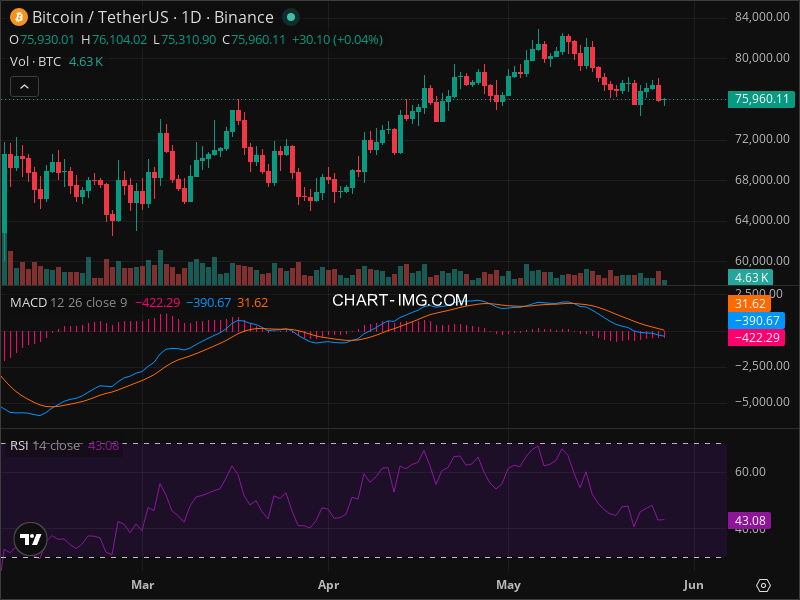
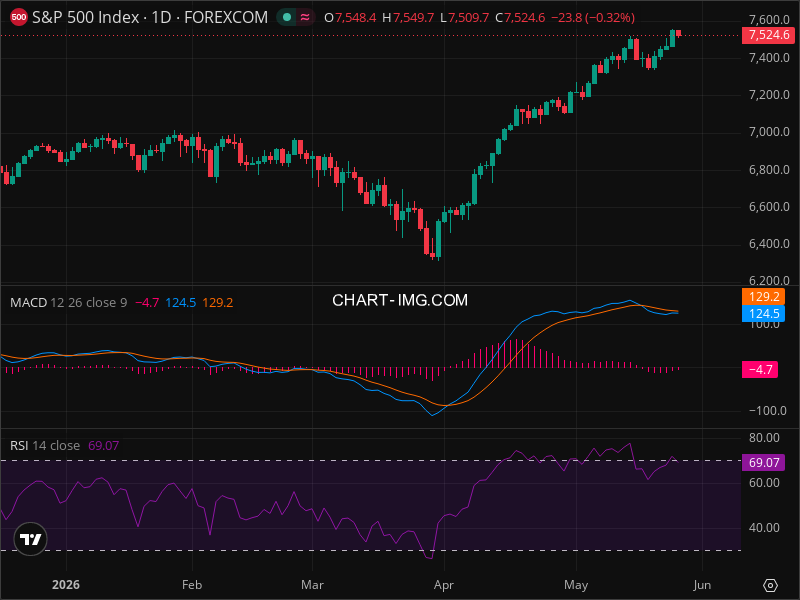
BTC Crypto Chart
The impact is already visible. Major firms like MicroStrategy, which holds over 200,000 BTC as of late 2025 per public filings, have reportedly explored self-custody solutions to protect their massive reserves. Meanwhile, fintech startups are racing to develop enterprise-grade wallet technologies, anticipating a surge in demand. This isn’t just a niche trend—it’s a structural shift that could redefine how value is stored and transferred globally.
But not everyone agrees. Some analysts argue that centralized custodians still offer unmatched scalability and user-friendliness, especially for less tech-savvy institutions. Yet, with each passing security breach, the case for self-custody grows stronger. For a data-driven take on how this debate might affect asset prices, See AI price prediction for key cryptocurrencies.
From a financial perspective, the push toward self-custody opens up a wealth of opportunities. Companies that develop cutting-edge wallet solutions—think secure storage, key management, and recovery systems—could see explosive growth. Investors might look at blockchain infrastructure projects like Polkadot or Chainlink, which enable secure, decentralized systems, as potential beneficiaries of this trend.
Of course, opportunities come with risks. Self-custody requires a steep learning curve and significant upfront investment in security. A single lost private key could mean millions—or billions—gone forever. For retail investors, this underscores the importance of education and caution when managing personal wallets.
On a broader scale, widespread adoption of self-custody could reduce liquidity on centralized exchanges, potentially impacting trading volumes and price discovery. Conversely, it might boost confidence in crypto as a legitimate asset class, attracting institutional capital. The $2.44 trillion market cap we see today could be just the beginning if trust in decentralized systems solidifies. Curious about fair value estimates in this shifting landscape? Check AI fair value estimate for top coins.
Let’s zoom in on the numbers. Bitcoin’s current price of $69,251 reflects a short-term bearish trend, with a 2.29% drop in 24 hours. Ethereum’s $2,083.05 shows relative stability, down just 0.50%. But beyond daily fluctuations, what do technical indicators suggest about the market’s response to trends like self-custody?
The Fear & Greed Index at 7 screams caution, hinting at potential oversold conditions that could precede a rebound if positive catalysts—like mass self-custody adoption—emerge. Bitcoin’s dominance at 56.65% remains a key metric, signaling its role as a market bellwether. Meanwhile, on-chain data from Glassnode indicates a slow but steady increase in addresses holding BTC directly, a sign that self-custody is gaining traction among retail users.
Here’s a quick snapshot of current performance across major cryptocurrencies:
| Cryptocurrency | Price (USD) | 24-Hour Change |
|---|---|---|
| Bitcoin (BTC) | $69,251 | -2.29% |
| Ethereum (ETH) | $2,083.05 | -0.50% |
| Binancecoin (BNB) | $642.94 | -2.06% |
| Ripple (XRP) | $1.42 | -2.81% |
For a deeper dive into technical signals and on-chain metrics, View AI signals for Bitcoin to stay ahead of the curve.
Looking ahead, EY’s forecast for 2026 paints a compelling picture. They project that by the end of the year, up to 45% of financial institutions could adopt self-custody solutions, a dramatic leap from just 10% in 2023. This isn’t mere speculation; it’s grounded in the accelerating pace of blockchain adoption and the mounting costs of centralized failures.
What could this mean for the market? In a bullish scenario, widespread self-custody adoption could drive crypto prices higher as trust in decentralized systems grows. Bitcoin could test new all-time highs, potentially nearing $100,000, if institutional inflows follow. On the flip side, a bearish outcome—where regulatory hurdles or security mishaps stifle adoption—might keep prices range-bound or worse.
The most likely path? A gradual but steady shift toward self-custody, fueled by technological innovation and regulatory clarity. For investors, staying informed will be key. Want to know what the data predicts? See what the AI predicts for Bitcoin and other major assets.

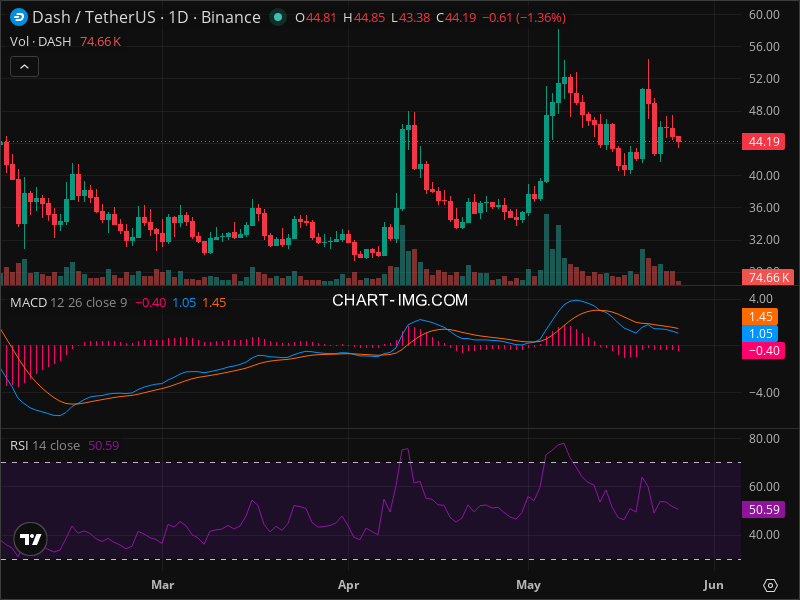
ETH Crypto Chart
Self-custody refers to individuals or companies managing their own cryptocurrency wallets, holding private keys directly rather than relying on third-party services like exchanges. It matters because it offers greater control and security over digital assets, reducing the risk of loss from exchange hacks or mismanagement.
While self-custody provides control, it comes with risks, especially for beginners. Losing a private key means losing access to funds permanently. Beginners should start with small amounts, use reputable hardware wallets, and educate themselves on best practices.
Self-custody can influence prices indirectly. If widely adopted, it could boost confidence in crypto, attracting more investors and potentially driving prices up. However, it might also reduce liquidity on exchanges, affecting short-term volatility.
Yes, according to EY’s recent insights, many companies are exploring self-custody to enhance security and comply with regulations. High-profile firms like MicroStrategy have signaled interest in managing their own wallets, a trend likely to grow by 2026.
Monitoring market trends, institutional adoption, and regulatory changes is crucial. Tools that provide data-driven insights can help. For a comprehensive look at potential impacts, Get professional AI analysis to guide your decisions.
For companies, relying on centralized custodians could mean exposure to hacks, regulatory penalties, or loss of competitive edge. For individuals, it risks losing funds if a third-party platform fails, as seen in past exchange collapses.
EY’s prediction for 2026 isn’t just a forecast—it’s a blueprint for the future of finance. Owning a digital wallet could soon become the ultimate power move, offering control, security, and a front-row seat to the decentralized revolution. Whether you’re an investor watching Bitcoin’s $69,251 price with bated breath or a business leader plotting your next strategic step, the message is clear: adapt or risk obsolescence.
The road ahead won’t be without challenges. Security, education, and regulatory navigation will test even the savviest players. But for those who embrace self-custody, the rewards—financial sovereignty, competitive advantage, and resilience—could be game-changing. Ready to explore how this trend might shape your portfolio? Start with Check AI analysis and position yourself for what’s next.
Sources:
TITLE: Forget the bank account: EY warns firms they must own the wallet to keep their customers
STYLE: Professional Financial Article - Focus on data presentation with clean tables - Include market analysis sections - Use clear headings for financial concepts - Present data in easy-to-read format - Include key takeaways and summary sections
ALL
TRENDING
WATCHLIST
Total Market Cap The Total Market Capitalization (Market Cap) is an indicator that measures the size of all the cryptocurrencies.It’s the total market value of all the cryptocurrencies' circulating supply: so it’s the total value of all the coins that have been mined.
{[{ marketcap }]} {[{ marketcapchange.toLocaleString(undefined, {maximumFractionDigits:2}) }]}% (24H) {[{ marketcapchange.toLocaleString(undefined, {maximumFractionDigits:2}) }]}% (24H)
Symbol
Price Cryptocurrency prices are volatile, and the prices change all the time. We are collecting all the data from several exchanges to provide the most accurate price available.
24H Cryptocurrency prices are volatile… The 24h % change is the difference between the current price and the price24 hours ago.
Trade
{[{ item.name }]}
{[{ index + $index}]}
{[{ item.pair.split('_')[0] }]}
Ƀ{[{item.price.toLocaleString(undefined, {maximumFractionDigits: 5}) }]} ${[{item.price.toLocaleString(undefined, {maximumFractionDigits: 5}) }]}
{[{ item.change24.toLocaleString(undefined, {maximumFractionDigits: 2}) }]}%
{[{ item.change24.toLocaleString(undefined, {maximumFractionDigits: 2}) }]}%
Symbol
Price Cryptocurrency prices are volatile, and the prices change all the time. We are collecting allthe data fromseveral exchanges to provide the most accurate price available.
24H Cryptocurrency prices are volatile… The 24h % change is the difference between the current priceand the price24 hours ago.
Trade
{[{ item.name }]}
{[{ index + $index}]}
{[{ item.pair.split('_')[0] }]}
Ƀ{[{item.price.toLocaleString(undefined, {maximumFractionDigits: 5}) }]} ${[{item.price.toLocaleString(undefined, {maximumFractionDigits: 5}) }]}
{[{ item.change24.toLocaleString(undefined, {maximumFractionDigits: 2}) }]}%
{[{ item.change24.toLocaleString(undefined, {maximumFractionDigits: 2}) }]}%

BTC Technical Analysis
May 27, 2026 | Joanna Newman

Soybeans Technical Analysis
May 27, 2026 | Joanna Newman
Live Cattle Technical Analysis
May 27, 2026 | Joanna Newman
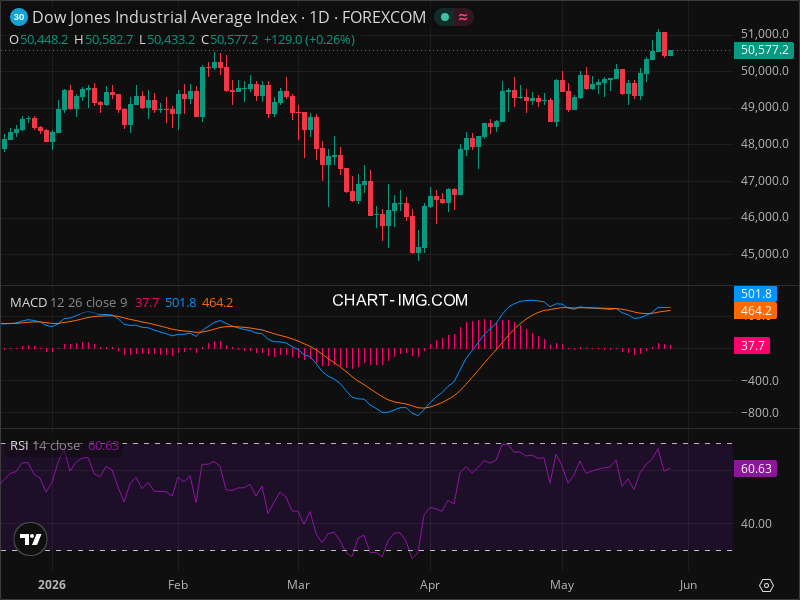
DJI Technical Analysis
May 27, 2026 | Joanna Newman
Tezos (XTZ) Review 2024: Everything You Need to Know Before Buying Tezos
.article-container { font-family: Arial, sans-serif; line-height: 1.6; color: #333; backgrou...
Chromia (CHR) Review 2024: Everything You Need to Know Before Buying Chromia
Illuvium (ILV) Review 2024: Everything You Need to Know Before Buying Illuvium
My Neighbor Alice (ALICE) Review 2024: Everything You Need to Know Before Buying My Neighbor Alice
Star Atlas (ATLAS) Review 2024: Everything You Need to Know Before Buying Star Atlas
TabTrade
What Is TabTrade? A Complete IntroductionTabTrade is a globally oriented multi-asset CFD and forex b...
Funded7
In the fast-moving world of proprietary trading, 2026 has marked a significant shift in what traders...
Bullwaves
Bullwaves Review 2026: A Premium MT5 Brokerage for Multi-Asset TradersBullwaves has quickly carved o...
BlackBull Markets
...
OQtima
Oqtima is an emerging online trading platform that offers a wide range of financial instruments, inc...
(adsbygoogle = window.adsbygoogle || []).push({}); Introduction In t...
(adsbygoogle = window.adsbygoogle || []).push({}); Einführung Wenn es um Er...
Mobi
Are you someone who makes international payments regularly using Bitcoin? Or do you travel a lot and...
Bitcoin.com
Bitcoin.com is a free downloadable Bitcoin wallet that allows users to trade and receive Bitcoins. T...
BTC.com
Created by Bitmain in 2016, BTC.com is a leading open-source Bitcoin and Bitcoin Cash storage platfo...
Why Owning a Crypto Wallet Could Be the Ultimate Power Move by 2026: EY’s Game-Changing Prediction
/* Modern SEO & AI-Optimized Article Styles */ /* Fonts loaded via link tags in head for b
Binance Surpasses CME in Bitcoin Futures: Why This Signals a Major Shift in the Crypto Market
/* Modern SEO & AI-Optimized Article Styles */ @import url('https://fonts.googleapis.c
Bitcoin Targets $95k as Ethereum, XRP, and Altcoins Show Bullish Trends - November 27, 2024 Crypto Market Update
.article-container { font-family: Arial, sans-serif; line-height: 1.6; color: #333; background-color
UFX.COM
UFX is a Forex and CFD broker that started in 2007. This broker is based in the Republic of Vanuatu.
Avalanche Surges 10% to $31 Potential—Is This Your Next Big Win?
/* Modern SEO & AI-Optimized Article Styles */ @import url('https://fonts.googleap
The Top 10 Crypto Assets with the Highest Potential in 2025
.article-container { font-family: Arial, sans-serif; line-height: 1.6; color: #333; background-color
The Ultimate Bitcoin Review 2024: Everything You Need to Know Today
.article-container { font-family: Arial, sans-serif; line-height: 1.6; color: #333; background-colo
The Everyday Fruit that's a Powerhouse of Nutrition and Your Weight Loss Ally
(adsbygoogle = window.adsbygoogle || []).push({}); IntroductionWhen it comes to nutrition a
The oldest and most powerful remedy to permanently get rid of insects and ants
(adsbygoogle = window.adsbygoogle || []).push({}); IntroductionEach year, as the hot season
Two Beds, One Dream: The Growing Trend of Sleeping Apart for Better Rest
(adsbygoogle = window.adsbygoogle || []).push({}); IntroductionIn an era where quality slee
(adsbygoogle = window.adsbygoogle || []).push({}); Introduction In t...
(adsbygoogle = window.adsbygoogle || []).push({}); Einführung Wenn es um Er...
Mobi
Are you someone who makes international payments regularly using Bitcoin? Or do you travel a lot and...
Bitcoin.com
Bitcoin.com is a free downloadable Bitcoin wallet that allows users to trade and receive Bitcoins. T...
BTC.com
Created by Bitmain in 2016, BTC.com is a leading open-source Bitcoin and Bitcoin Cash storage platfo...


 Français
 Spanish
 Deutsch
 Português
 Türkçe
 Italiano
 العربية
 Русский
 Chinese
 Korean
 Japanese
 Vietnamese
 Hebrew
 Hindi
Hindi
 Greek
Greek
 Polish
 Thai
Thai
 Dutch
Dutch
 Malay
Malay




.png)
.png)
.png)

















COMMENTS (0)