Create a FREE account and...
Manage your own Watchlist
Access all education lessons
Converse with other crypto enthusiasts
Be a part of the Interactive Crypto Community
OR
Please fill out the required fields Please fill out the required fields Please fill out the required fields

Bitcoin, the world’s leading cryptocurrency, is sending shockwaves through the financial world as it plunges below the critical $68,000 mark. As of April 3, 2026, the digital asset is trading at a precarious $66,718, down 2.75% in just 24 hours, sparking fears of a deeper slide to $60,000 or beyond. This isn’t just a number on a chart—it’s a signal of mounting volatility that could reshape portfolios, disrupt markets, and test the resolve of even the most seasoned investors. What does this mean for the future of crypto, and more importantly, how could it impact your financial strategy? Whether you’re a long-term holder or a curious bystander, the stakes are high, and the time to pay attention is now. For deeper insights, check the AI analysis to understand where Bitcoin might head next.
The crypto market is in a state of "Extreme Fear," with the Fear & Greed Index sitting at a chilling 9. This sharp downturn isn’t isolated to Bitcoin—major altcoins like Ethereum and Binance Coin are also bleeding value, reflecting a broader crisis of confidence. Let’s dive into the data, the drivers behind this slump, and what you can do to navigate the storm.
The cryptocurrency market is grappling with a brutal reality check. Bitcoin’s fall below $68,000—a key psychological and technical threshold—has triggered widespread concern. As of today, April 3, 2026, the flagship crypto trades at $66,718, marking a 2.75% drop in just 24 hours, according to CoinGecko data. This isn’t a solo act; Ethereum has tumbled 4.91% to $2,051.18, and Binance Coin is down 4.77% to $583.98, painting a grim picture across the board.
The total crypto market cap now stands at $2.38 trillion, with a 24-hour trading volume of $105.40 billion. Bitcoin still dominates with a 56.14% share, but that dominance offers little comfort as sentiment indicators flash red. The Fear & Greed Index, a barometer of investor mood, has plummeted to 9, signaling "Extreme Fear"—a level often associated with panic selling and heightened volatility.
What’s driving this nosedive? A mix of macroeconomic pressures, regulatory uncertainty, and profit-taking after recent highs are likely culprits. But the breach of $68,000 is more than a data point—it’s a warning. If this trend holds, analysts suggest $60,000 could be the next stop, a level not seen in months. For a data-driven perspective, get AI-powered insights on Bitcoin’s trajectory.
For investors, Bitcoin’s slide below $68,000 is a wake-up call. If you’re holding crypto, the immediate risk is further depreciation—potentially down to $60,000 or lower. This isn’t just about Bitcoin; the synchronized declines in Ethereum, Binance Coin, and Solana (down 3.00% to $79.19) suggest systemic issues across the market. Diversification within crypto may not shield you from losses right now.
Stablecoins like Tether (USDT), holding steady at $0.999957, are seeing inflows as investors flee to safety. If you’re risk-averse, parking funds in stable assets could be a temporary haven. But for those willing to weather the storm, this volatility might present buying opportunities—especially if Bitcoin finds support soon. The key is caution: set stop-losses, avoid over-leveraging, and keep cash reserves for potential dips.
Long-term holders might see this as a blip in Bitcoin’s broader uptrend, but short-term traders face a minefield. Sentiment is fragile, and a single negative headline could accelerate the sell-off. Stay informed by using tools like AI signals for Bitcoin to guide your next move.
Bitcoin’s current woes aren’t happening in a vacuum. Global economic conditions are playing a significant role. Rising interest rates, persistent inflation, and geopolitical tensions have soured risk appetite across asset classes. Cryptocurrencies, often viewed as speculative investments, are among the first to feel the pinch when investors pull back.
In the U.S., the Federal Reserve’s hawkish stance on monetary policy continues to loom large. Higher borrowing costs reduce liquidity, making it harder for speculative assets like Bitcoin to thrive. Meanwhile, fears of a global recession are pushing capital toward safer bets like bonds and gold, leaving crypto in the cold.
Regulation is another dark cloud over the market. The U.S. Securities and Exchange Commission (SEC) has intensified its scrutiny of crypto exchanges and projects, creating uncertainty about future compliance costs and legal risks. Across the Atlantic, the European Union is rolling out stricter rules under the Markets in Crypto-Assets (MiCA) framework, which could reshape how crypto operates in one of the world’s largest markets.
These regulatory moves aim to protect investors, but they also spook markets in the short term. A single unfavorable ruling or policy shift could trigger another wave of selling. For now, the lack of clarity is keeping many institutional players on the sidelines.

BTC Crypto Chart
Investor psychology is a powerful force in crypto, and right now, fear reigns supreme. The Fear & Greed Index at 9 isn’t just a number—it reflects a market on edge, where every price dip feels like the start of a collapse. Social media platforms are buzzing with panic, amplifying the sell-off as retail investors rush for the exits.
Yet, not all hope is lost. Historically, "Extreme Fear" readings have often preceded bottoms, as capitulation sets the stage for recovery. The question is whether this time is different, given the broader economic headwinds. To dig deeper into sentiment and price trends, see what the AI predicts for Bitcoin’s near-term outlook.
Industry voices are sounding the alarm, though opinions vary on the severity of this downturn. “Bitcoin’s break below $68,000 is a critical signal of bearish momentum,” notes Tom Lee, co-founder of Fundstrat Global Advisors, in a recent Bloomberg interview. “We could see $60,000 if selling pressure persists, but long-term fundamentals remain strong.”
Others are less optimistic. Analysts at JPMorgan have cautioned that macroeconomic risks could drag Bitcoin lower, especially if recession fears intensify. Their latest report highlights the correlation between crypto and tech stocks, both of which are under pressure in risk-off environments.
On the industry front, this slump is testing the resilience of crypto businesses. Exchanges are seeing reduced trading volumes as retail participation wanes, while mining companies face squeezed margins with falling Bitcoin prices. Yet, some see opportunity—firms like MicroStrategy, led by CEO Michael Saylor, continue to advocate for Bitcoin as a long-term store of value, even amid volatility.
The immediate financial implication of Bitcoin’s drop is clear: heightened risk of loss for anyone holding crypto. A further decline to $60,000 would wipe out billions in market cap, impacting not just Bitcoin but the altcoin ecosystem tied to its performance. Leveraged positions are particularly vulnerable, as cascading liquidations could accelerate the fall.
For retail investors, the emotional toll is just as real. Watching portfolio values shrink can trigger rash decisions—selling at a loss or abandoning crypto altogether. The key is discipline: avoid panic, reassess your risk tolerance, and consider tools like AI fair value estimates to gauge whether Bitcoin is undervalued.
Every crisis breeds opportunity, and this downturn is no exception. For contrarian investors, Bitcoin at $66,718—or lower—could be a bargain if a recovery materializes. Historical data shows that buying during "Extreme Fear" periods often yields strong returns over the long term, provided you can stomach the volatility.
Institutional interest hasn’t vanished either. Despite the price dip, firms like BlackRock and Fidelity continue to explore crypto ETFs and custodial services, signaling confidence in the asset class’s future. For retail players, dollar-cost averaging into Bitcoin or Ethereum during dips could be a safer bet than trying to time the bottom.
Beyond individual portfolios, this slump could ripple through the financial system. Crypto’s growing integration with traditional finance—think payment systems and corporate treasuries—means a prolonged crash could dent confidence in digital assets as a whole. Conversely, a swift recovery might reinforce Bitcoin’s narrative as a resilient alternative to fiat.
The interplay between crypto and equities is also worth watching. With tech stocks under pressure, Bitcoin’s correlation to risk assets suggests it may struggle to rally without a broader market turnaround. Staying ahead of these trends requires sharp analysis—consider getting AI price predictions for a clearer view.
From a technical standpoint, Bitcoin’s breach of $68,000 is a red flag. This level has served as a strong support zone in recent months, and its failure suggests bearish momentum is taking hold. The next major support lies near $60,000—a psychological barrier that, if broken, could open the door to even deeper losses.

ETH Crypto Chart
Key indicators are flashing warning signs. The Relative Strength Index (RSI) is likely hovering near oversold territory, hinting at a potential short-term bounce. However, the Moving Average Convergence Divergence (MACD) is showing bearish divergence, indicating that downward pressure may persist. These metrics, combined with high trading volume on the downside, paint a cautious picture.
Traders should also watch Bitcoin’s 50-day and 200-day moving averages. A "death cross"—where the shorter-term average crosses below the longer-term average—could confirm a longer bearish trend. For real-time data and signals, tools like AI analysis for Bitcoin can provide actionable insights.
Here’s a snapshot of the current market data for clarity:
| Cryptocurrency | Current Price | 24h Change |
|---|---|---|
| Bitcoin (BTC) | $66,718 | -2.75% |
| Ethereum (ETH) | $2,051.18 | -4.91% |
| Binance Coin (BNB) | $583.98 | -4.77% |
| Solana (SOL) | $79.19 | -3.00% |
Where does Bitcoin go from here? Analysts are split, but the consensus leans bearish in the short term. The $60,000 level is a plausible target if selling pressure continues, especially with sentiment so deeply negative. According to a recent CoinDesk report, a drop to this level could trigger another 10-15% decline across altcoins, amplifying the pain.
However, not all scenarios are bleak. If macroeconomic conditions stabilize—say, with a dovish pivot from the Federal Reserve or easing geopolitical tensions—Bitcoin could find a floor sooner than expected. On-chain data also shows that long-term holders aren’t selling en masse, suggesting a core group still believes in the asset’s value proposition.
Looking further out, some experts remain bullish. Tom Lee of Fundstrat predicts Bitcoin could reclaim $80,000 by year-end if institutional adoption accelerates. But for now, caution is the watchword. To explore potential outcomes, get professional AI analysis on Bitcoin’s future price targets.
Bitcoin’s drop below $68,000 is driven by a mix of macroeconomic factors, including rising interest rates and recession fears, alongside regulatory uncertainty and profit-taking after recent highs. Market sentiment, as reflected by the Fear & Greed Index at 9, is also fueling panic selling.
Yes, it’s a realistic possibility. Technical analysis shows that $60,000 is the next major support level after $68,000 failed to hold. If selling pressure persists, especially amid negative news, Bitcoin could test this threshold in the near term.
That depends on your risk tolerance and investment horizon. If you’re a short-term trader, setting stop-losses or reducing exposure might be wise. Long-term holders may prefer to ride out the volatility, as historical data suggests recoveries often follow extreme fear periods.
Not necessarily. Major altcoins like Ethereum and Binance Coin are also declining, often at steeper rates than Bitcoin. Stablecoins like Tether offer a safer harbor for now if you’re looking to preserve capital.
Monitoring sentiment indicators, technical levels, and news developments is key. Tools that provide real-time data and forecasts can also help. For instance, platforms offering AI-driven insights can give you an edge in predicting price movements.
Despite short-term turbulence, many experts remain optimistic about Bitcoin’s long-term value as a store of wealth and hedge against inflation. Institutional adoption and technological advancements continue to support its case, though patience will be required through volatile periods like this one.

ALL
TRENDING
WATCHLIST
Total Market Cap The Total Market Capitalization (Market Cap) is an indicator that measures the size of all the cryptocurrencies.It’s the total market value of all the cryptocurrencies' circulating supply: so it’s the total value of all the coins that have been mined.
{[{ marketcap }]} {[{ marketcapchange.toLocaleString(undefined, {maximumFractionDigits:2}) }]}% (24H) {[{ marketcapchange.toLocaleString(undefined, {maximumFractionDigits:2}) }]}% (24H)
Symbol
Price Cryptocurrency prices are volatile, and the prices change all the time. We are collecting all the data from several exchanges to provide the most accurate price available.
24H Cryptocurrency prices are volatile… The 24h % change is the difference between the current price and the price24 hours ago.
Trade
{[{ item.name }]}
{[{ index + $index}]}
{[{ item.pair.split('_')[0] }]}
Ƀ{[{item.price.toLocaleString(undefined, {maximumFractionDigits: 5}) }]} ${[{item.price.toLocaleString(undefined, {maximumFractionDigits: 5}) }]}
{[{ item.change24.toLocaleString(undefined, {maximumFractionDigits: 2}) }]}%
{[{ item.change24.toLocaleString(undefined, {maximumFractionDigits: 2}) }]}%
Symbol
Price Cryptocurrency prices are volatile, and the prices change all the time. We are collecting allthe data fromseveral exchanges to provide the most accurate price available.
24H Cryptocurrency prices are volatile… The 24h % change is the difference between the current priceand the price24 hours ago.
Trade
{[{ item.name }]}
{[{ index + $index}]}
{[{ item.pair.split('_')[0] }]}
Ƀ{[{item.price.toLocaleString(undefined, {maximumFractionDigits: 5}) }]} ${[{item.price.toLocaleString(undefined, {maximumFractionDigits: 5}) }]}
{[{ item.change24.toLocaleString(undefined, {maximumFractionDigits: 2}) }]}%
{[{ item.change24.toLocaleString(undefined, {maximumFractionDigits: 2}) }]}%

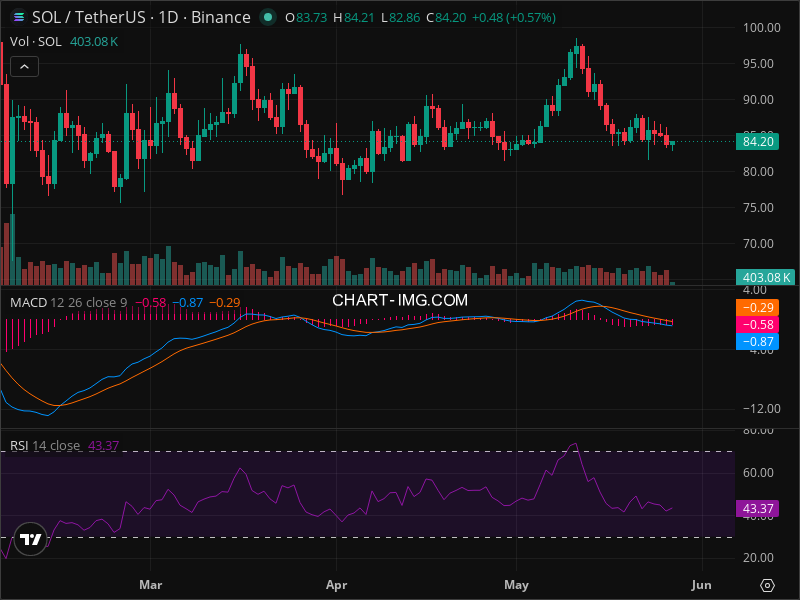
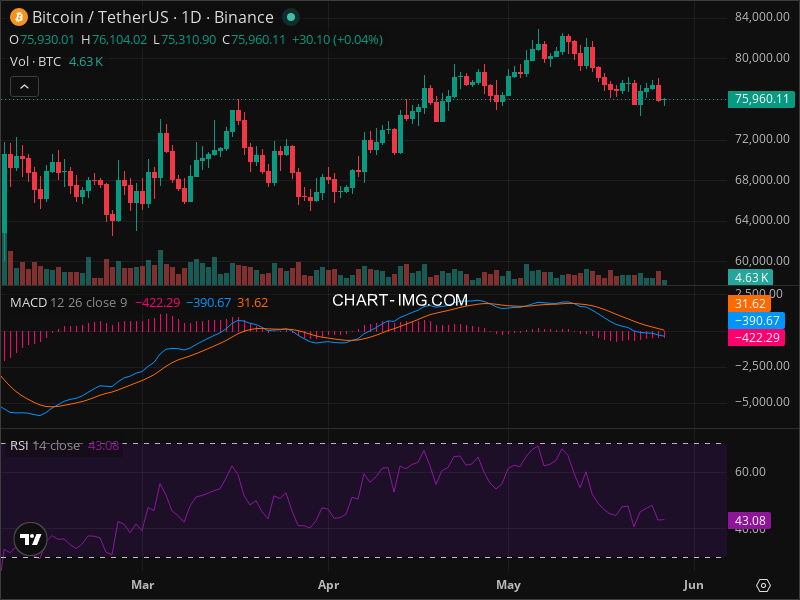
BTC Technical Analysis
May 27, 2026 | Joanna Newman

Soybeans Technical Analysis
May 27, 2026 | Joanna Newman
Live Cattle Technical Analysis
May 27, 2026 | Joanna Newman
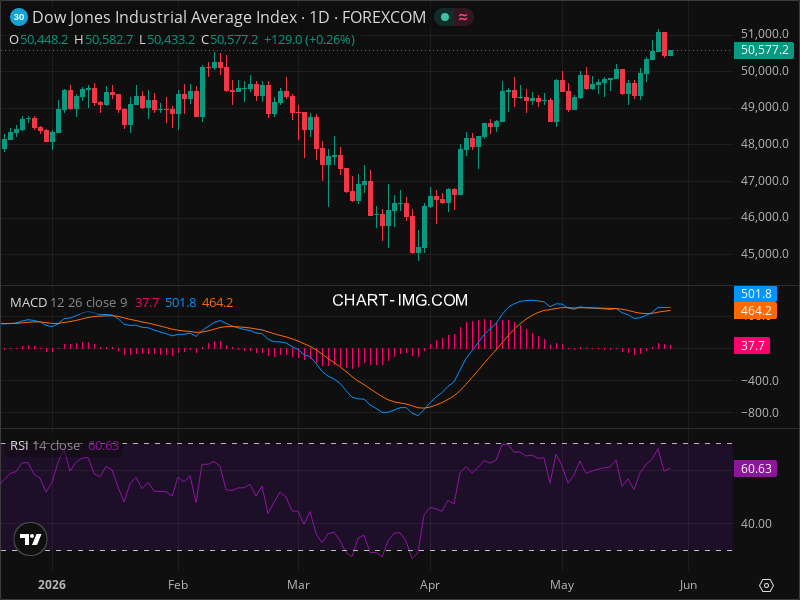
DJI Technical Analysis
May 27, 2026 | Joanna Newman
Tezos (XTZ) Review 2024: Everything You Need to Know Before Buying Tezos
.article-container { font-family: Arial, sans-serif; line-height: 1.6; color: #333; backgrou...
Chromia (CHR) Review 2024: Everything You Need to Know Before Buying Chromia
Illuvium (ILV) Review 2024: Everything You Need to Know Before Buying Illuvium
My Neighbor Alice (ALICE) Review 2024: Everything You Need to Know Before Buying My Neighbor Alice
Star Atlas (ATLAS) Review 2024: Everything You Need to Know Before Buying Star Atlas
TabTrade
What Is TabTrade? A Complete IntroductionTabTrade is a globally oriented multi-asset CFD and forex b...
Funded7
In the fast-moving world of proprietary trading, 2026 has marked a significant shift in what traders...
Bullwaves
Bullwaves Review 2026: A Premium MT5 Brokerage for Multi-Asset TradersBullwaves has quickly carved o...
BlackBull Markets
...
OQtima
Oqtima is an emerging online trading platform that offers a wide range of financial instruments, inc...
(adsbygoogle = window.adsbygoogle || []).push({}); Introduction In t...
(adsbygoogle = window.adsbygoogle || []).push({}); Einführung Wenn es um Er...
Mobi
Are you someone who makes international payments regularly using Bitcoin? Or do you travel a lot and...
Bitcoin.com
Bitcoin.com is a free downloadable Bitcoin wallet that allows users to trade and receive Bitcoins. T...
BTC.com
Created by Bitmain in 2016, BTC.com is a leading open-source Bitcoin and Bitcoin Cash storage platfo...
Here’s why bitcoin’s drop below $68,000 raises the risk of a crash under $60,000
/* Modern SEO & AI-Optimized Article Styles */ /* Fonts loaded via link tags in head for b
New GOP Tax Bill May Shield Millionaires from 39.6% Rate, Rattling Crypto Markets
.article-container { font-family: Arial, sans-serif; line-height: 1.6; color: #333; background-color
Is Pi Network’s Dr. Nicolas Kokkalis the Mysterious Satoshi Nakamoto? Crypto World Speculates
.article-container { font-family: Arial, sans-serif; line-height: 1.6; color: #333; background-co
Bitcoin Price Analysis: Why Billionaires Are Buying Now and What It Means for You
/* Modern SEO & AI-Optimized Article Styles */ /* Fonts loaded via link tags in head for b
Amber International Launches $100M Crypto Reserve Focused on BTC, ETH, XRP, BNB, SOL and SUI
.article-container { font-family: Arial, sans-serif; line-height: 1.6; color: #
The Top 10 Crypto Assets with the Highest Potential in 2025
.article-container { font-family: Arial, sans-serif; line-height: 1.6; color: #333; background-color
The Ultimate Bitcoin Review 2024: Everything You Need to Know Today
.article-container { font-family: Arial, sans-serif; line-height: 1.6; color: #333; background-colo
The Everyday Fruit that's a Powerhouse of Nutrition and Your Weight Loss Ally
(adsbygoogle = window.adsbygoogle || []).push({}); IntroductionWhen it comes to nutrition a
The oldest and most powerful remedy to permanently get rid of insects and ants
(adsbygoogle = window.adsbygoogle || []).push({}); IntroductionEach year, as the hot season
Two Beds, One Dream: The Growing Trend of Sleeping Apart for Better Rest
(adsbygoogle = window.adsbygoogle || []).push({}); IntroductionIn an era where quality slee
(adsbygoogle = window.adsbygoogle || []).push({}); Introduction In t...
(adsbygoogle = window.adsbygoogle || []).push({}); Einführung Wenn es um Er...
Mobi
Are you someone who makes international payments regularly using Bitcoin? Or do you travel a lot and...
Bitcoin.com
Bitcoin.com is a free downloadable Bitcoin wallet that allows users to trade and receive Bitcoins. T...
BTC.com
Created by Bitmain in 2016, BTC.com is a leading open-source Bitcoin and Bitcoin Cash storage platfo...


 Français
 Spanish
 Deutsch
 Português
 Türkçe
 Italiano
 العربية
 Русский
 Chinese
 Korean
 Japanese
 Vietnamese
 Hebrew
 Hindi
Hindi
 Greek
Greek
 Polish
 Thai
Thai
 Dutch
Dutch
 Malay
Malay




.png)
.png)
.png)













COMMENTS (0)