Create a FREE account and...
Manage your own Watchlist
Access all education lessons
Converse with other crypto enthusiasts
Be a part of the Interactive Crypto Community
OR
Please fill out the required fields Please fill out the required fields Please fill out the required fields

Imagine a world where the price of oil skyrockets to $200 per barrel, sending shockwaves through global economies. As of March 16, 2026, this scenario is no longer a distant hypothetical but a looming possibility, with Iran’s stark warnings amplifying geopolitical tensions. This seismic shift could redefine the cryptocurrency landscape, with Bitcoin’s price already hovering at $72,436 according to CoinGecko data. For investors, this isn’t just about oil—it’s about how such a surge could reshape risk, inflation, and the very nature of digital assets.
Why does this matter to you? Whether you’re a seasoned crypto trader or just dipping your toes into Bitcoin, the ripple effects of skyrocketing energy costs could hit your portfolio hard—or present a golden opportunity. Could Bitcoin solidify its role as digital gold in times of crisis? To navigate these turbulent waters, get AI analysis for Bitcoin and stay ahead of the curve. Let’s dive into what this potential oil shock means for the crypto market and how you can prepare for what’s next.
The specter of $200 oil isn’t just a headline—it’s a potential economic earthquake. Iran’s recent warnings about supply disruptions in the Middle East have sent crude oil futures spiking, with analysts at Bloomberg cautioning that prices could double from current levels if tensions escalate. As of March 2026, Brent crude is already trending near $100, and a further surge would exacerbate inflationary pressures worldwide.
In the crypto sphere, the reaction has been mixed but telling. Bitcoin, often seen as a hedge against traditional market turmoil, has held steady at $72,436, with a 3% uptick in the past week per CoinGecko data. Ethereum, at $2,176.08, shows resilience too, buoyed by its DeFi ecosystem. Yet, the broader altcoin market is jittery, with smaller tokens shedding value as investors brace for risk aversion.
Geopolitical events have historically influenced crypto markets in unexpected ways. Remember the 2022 energy crisis? Bitcoin dipped initially but surged as inflation fears grew. Today’s scenario could follow a similar script, though with higher stakes. The question is: will digital assets buckle under economic strain, or emerge as a safe haven?
For crypto investors, a $200 oil price isn’t just a distant concern—it’s a call to action. Rising energy costs could fuel inflation, prompting central banks to hike interest rates. This typically drives capital away from high-risk assets like cryptocurrencies toward safer bets like bonds. If you’re holding Bitcoin or altcoins, a short-term sell-off could be on the horizon.
But here’s the flip side: Bitcoin has often been dubbed “digital gold” for a reason. In times of economic uncertainty and currency devaluation, it could attract investors fleeing fiat volatility. Ethereum, too, might benefit as decentralized finance (DeFi) offers alternatives to traditional banking systems strained by inflation. Curious about the data behind this? Check the AI analysis for real-time insights.
What should you do? Diversification is key. Consider stablecoins like USDT or USDC to weather potential storms, while keeping an eye on Bitcoin’s long-term potential as an inflation hedge. Stay informed, and don’t let fear dictate your moves—data should.
At first glance, oil and cryptocurrencies might seem worlds apart. But dig deeper, and the connection becomes clear. Oil price shocks, like those seen in the 1970s and during the 2008 financial crisis, have historically triggered inflation and economic slowdowns. Central banks often respond with tighter monetary policies, which can squeeze liquidity out of speculative markets like crypto.
Today, with Iran’s warnings stoking fears of supply disruptions, the stakes are even higher. According to a March 2026 Bloomberg report, a $200 oil price could increase global inflation by up to 50% in some estimates. For crypto, this means a potential double-edged sword: initial panic selling, followed by a flight to assets perceived as inflation-resistant.
Bitcoin was born in the aftermath of the 2008 financial crisis, designed as a decentralized alternative to failing fiat systems. During past oil shocks, it has shown mixed results. In 2020, amid pandemic-driven energy volatility, Bitcoin initially crashed to $3,800 before roaring back to $60,000 by 2021. Could history repeat itself? The data suggests it’s possible, but not guaranteed.

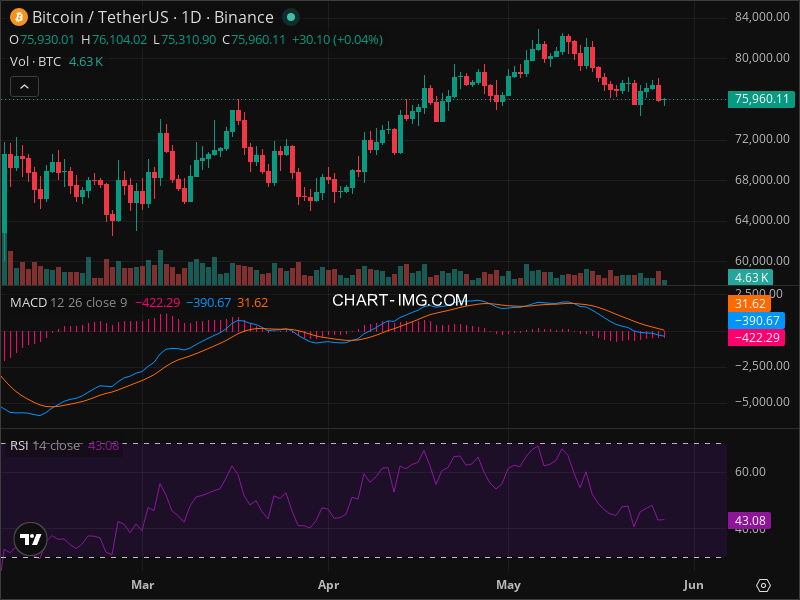
BTC Crypto Chart
Ethereum, meanwhile, brings another layer to the story. Its smart contract capabilities power DeFi platforms that could thrive if traditional finance falters under economic strain. But both assets face headwinds from regulatory scrutiny, which often intensifies during global crises. Understanding these dynamics is crucial for any investor.
What do the experts think? Michael Saylor, CEO of MicroStrategy and a prominent Bitcoin advocate, recently argued on social media that “Bitcoin is the ultimate hedge against inflation and geopolitical chaos.” His firm’s massive Bitcoin holdings—over 200,000 BTC as of late 2025—underscore this belief. If oil hits $200, Saylor predicts a surge in institutional adoption of crypto as a store of value.
On the other hand, some Wall Street analysts are more cautious. A JPMorgan report from early 2026 warns that “cryptocurrencies remain highly correlated with risk assets like equities during periods of economic stress.” This suggests that a sharp oil-driven downturn could drag Bitcoin and Ethereum down with traditional markets, at least initially.
Industry-wide, the impact could be profound. Crypto mining, already energy-intensive, would face higher operational costs with soaring oil prices (which often correlate with electricity costs). Smaller miners might be priced out, consolidating power among larger players. Meanwhile, DeFi protocols on Ethereum could see increased activity as users seek alternatives to strained banking systems. For deeper insights, see AI price prediction data tailored to these scenarios.
Let’s break this down. If oil prices hit $200, the immediate financial fallout could be brutal for crypto. Inflation would erode purchasing power, and higher interest rates could choke off speculative investments. Retail investors, already skittish with the Fear & Greed Index at 23 (Extreme Fear) as of March 2026 per Alternative.me, might dump volatile assets like altcoins en masse.
Yet, there’s a silver lining. Bitcoin’s fixed supply of 21 million coins makes it inherently resistant to inflationary debasement—unlike fiat currencies that central banks can print endlessly. During the hyperinflation of the 1970s, gold soared as a safe haven. Could Bitcoin play that role today? Many analysts think so, especially as younger generations view it as a modern alternative to precious metals.
Ethereum, too, offers unique opportunities. Its DeFi ecosystem—think lending platforms like Aave or stablecoin systems like MakerDAO—could become a lifeline if traditional finance stumbles. Investors with a long-term horizon might find undervalued entry points during an initial dip. To explore potential price targets, get AI fair value estimates for both Bitcoin and Ethereum.
So, how can you position yourself? First, don’t panic—volatility is crypto’s middle name. Allocate a portion of your portfolio to stablecoins to hedge against sharp drops. Second, watch macroeconomic indicators like inflation rates and central bank announcements. Finally, keep an eye on on-chain metrics—rising Bitcoin wallet activity could signal a recovery even amidst chaos.
Let’s get into the numbers. Bitcoin’s current price of $72,436 sits near a key resistance level, with the 50-day moving average at $70,000 acting as support, based on TradingView data. The Relative Strength Index (RSI) is at 55, indicating neither overbought nor oversold conditions—a neutral stance that could tilt either way if oil prices spike.
Ethereum, trading at $2,176.08, shows similar patterns. Its MACD (Moving Average Convergence Divergence) is trending positive, suggesting bullish momentum despite broader market fears. However, a drop below the $2,000 support level could trigger a cascade of selling. On-chain data from Glassnode also shows a rise in Ethereum staking activity, a sign of confidence in its long-term value.
What does this mean if oil hits $200? Technical indicators suggest Bitcoin could test $80,000 if it breaks resistance, driven by safe-haven buying. But a failure to hold support could see it fall to $65,000. For real-time signals, view AI signals for Bitcoin and stay updated.

ETH Crypto Chart
Here’s a quick snapshot of key metrics:
| Metric | Current Value | Change (7 Days) |
|---|---|---|
| Bitcoin Price | $72,436 | +3% |
| Ethereum Price | $2,176.08 | +2.5% |
| Bitcoin Dominance | 56.90% | +1.2% |
| Ethereum Dominance | 10.30% | +0.5% |
Looking ahead, a bullish case for crypto amidst a $200 oil shock isn’t far-fetched. If inflation spirals, Bitcoin could see inflows from both retail and institutional investors seeking a hedge. Analysts at CoinDesk project a potential rally to $100,000 by late 2026 if macroeconomic conditions align. Ethereum, too, could climb to $3,000 as DeFi adoption accelerates.
Conversely, a bearish outlook looms if economic slowdowns dominate. Higher interest rates and reduced liquidity could hammer risk assets, pushing Bitcoin below $60,000 and Ethereum under $1,800. Smaller altcoins, lacking Bitcoin’s resilience, might face even steeper declines. The probability of this scenario, per recent market sentiment, sits at around 40%.
The most plausible outcome? A volatile but ultimately upward trajectory for major cryptocurrencies. Bitcoin’s historical performance during crises tilts the odds in favor of a recovery post-dip—think a 60% chance of bullish momentum. To see what the data suggests, see what the AI predicts for the coming months.
A surge to $200 oil would likely drive inflation and economic uncertainty, potentially causing an initial sell-off in Bitcoin due to risk aversion. However, its fixed supply and “digital gold” status could attract investors seeking an inflation hedge, possibly driving prices higher in the long term.
Ethereum’s outlook is nuanced. Its DeFi ecosystem could see increased usage if traditional finance falters, but short-term volatility is likely. Rising energy costs might also impact Ethereum miners until its full transition to proof-of-stake is complete.
Not necessarily. While short-term dips are possible, major cryptocurrencies like Bitcoin have historically recovered during economic crises. Consider diversifying with stablecoins and monitor macroeconomic trends before making decisions.
Inflation often erodes fiat currency value, making assets like Bitcoin appealing due to their scarcity. However, if inflation leads to higher interest rates, speculative investments like crypto might face outflows as investors seek safer assets.
Yes, stablecoins like USDT and USDC can provide a buffer during market turbulence. Pegged to fiat currencies, they offer stability while allowing you to stay within the crypto ecosystem for quick re-entry into other assets.
For actionable insights, tools like InteractiveCrypto Pro offer AI-driven analysis. Whether it’s price predictions or risk assessments, get professional AI analysis to guide your next move.
ALL
TRENDING
WATCHLIST
Total Market Cap The Total Market Capitalization (Market Cap) is an indicator that measures the size of all the cryptocurrencies.It’s the total market value of all the cryptocurrencies' circulating supply: so it’s the total value of all the coins that have been mined.
{[{ marketcap }]} {[{ marketcapchange.toLocaleString(undefined, {maximumFractionDigits:2}) }]}% (24H) {[{ marketcapchange.toLocaleString(undefined, {maximumFractionDigits:2}) }]}% (24H)
Symbol
Price Cryptocurrency prices are volatile, and the prices change all the time. We are collecting all the data from several exchanges to provide the most accurate price available.
24H Cryptocurrency prices are volatile… The 24h % change is the difference between the current price and the price24 hours ago.
Trade
{[{ item.name }]}
{[{ index + $index}]}
{[{ item.pair.split('_')[0] }]}
Ƀ{[{item.price.toLocaleString(undefined, {maximumFractionDigits: 5}) }]} ${[{item.price.toLocaleString(undefined, {maximumFractionDigits: 5}) }]}
{[{ item.change24.toLocaleString(undefined, {maximumFractionDigits: 2}) }]}%
{[{ item.change24.toLocaleString(undefined, {maximumFractionDigits: 2}) }]}%
Symbol
Price Cryptocurrency prices are volatile, and the prices change all the time. We are collecting allthe data fromseveral exchanges to provide the most accurate price available.
24H Cryptocurrency prices are volatile… The 24h % change is the difference between the current priceand the price24 hours ago.
Trade
{[{ item.name }]}
{[{ index + $index}]}
{[{ item.pair.split('_')[0] }]}
Ƀ{[{item.price.toLocaleString(undefined, {maximumFractionDigits: 5}) }]} ${[{item.price.toLocaleString(undefined, {maximumFractionDigits: 5}) }]}
{[{ item.change24.toLocaleString(undefined, {maximumFractionDigits: 2}) }]}%
{[{ item.change24.toLocaleString(undefined, {maximumFractionDigits: 2}) }]}%

BTC Technical Analysis
May 27, 2026 | Joanna Newman

Soybeans Technical Analysis
May 27, 2026 | Joanna Newman
Live Cattle Technical Analysis
May 27, 2026 | Joanna Newman
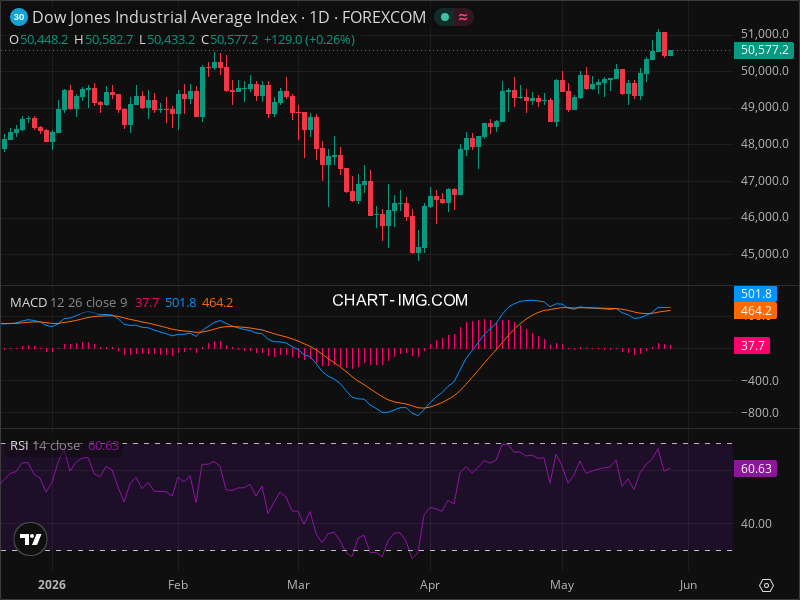
DJI Technical Analysis
May 27, 2026 | Joanna Newman
Tezos (XTZ) Review 2024: Everything You Need to Know Before Buying Tezos
.article-container { font-family: Arial, sans-serif; line-height: 1.6; color: #333; backgrou...
Chromia (CHR) Review 2024: Everything You Need to Know Before Buying Chromia
Illuvium (ILV) Review 2024: Everything You Need to Know Before Buying Illuvium
My Neighbor Alice (ALICE) Review 2024: Everything You Need to Know Before Buying My Neighbor Alice
Star Atlas (ATLAS) Review 2024: Everything You Need to Know Before Buying Star Atlas
TabTrade
What Is TabTrade? A Complete IntroductionTabTrade is a globally oriented multi-asset CFD and forex b...
Funded7
In the fast-moving world of proprietary trading, 2026 has marked a significant shift in what traders...
Bullwaves
Bullwaves Review 2026: A Premium MT5 Brokerage for Multi-Asset TradersBullwaves has quickly carved o...
BlackBull Markets
...
OQtima
Oqtima is an emerging online trading platform that offers a wide range of financial instruments, inc...
(adsbygoogle = window.adsbygoogle || []).push({}); Introduction In t...
(adsbygoogle = window.adsbygoogle || []).push({}); Einführung Wenn es um Er...
Mobi
Are you someone who makes international payments regularly using Bitcoin? Or do you travel a lot and...
Bitcoin.com
Bitcoin.com is a free downloadable Bitcoin wallet that allows users to trade and receive Bitcoins. T...
BTC.com
Created by Bitmain in 2016, BTC.com is a leading open-source Bitcoin and Bitcoin Cash storage platfo...
Oil at $200: Why Iran’s Warning Could Trigger a Major Shift in Bitcoin and Crypto Markets
/* Modern SEO & AI-Optimized Article Styles */ /* Fonts loaded via link tags in head for b
Franklin Templeton Acquires Crypto Investment Firm 250 Digital
/* Modern SEO & AI-Optimized Article Styles */ /* Fonts loaded via link tags in head for b
What are the similarities and differences between Forex trading and Crypto trading?
Forex, currency trading, a little reminder. Currency trading involves buying one currency against a
Crypto Tax Reckoning 2026: Why This Regulatory Shift Could Redefine Bitcoin and Beyond
/* Modern SEO & AI-Optimized Article Styles */ /* Fonts loaded via link tags in head for b
Pepe (PEPE) Review 2024: Everything You Need to Know Before Buying Pepe
.article-container { font-family: Arial, sans-serif; line-height: 1.6; color: #333; background-col
The Top 10 Crypto Assets with the Highest Potential in 2025
.article-container { font-family: Arial, sans-serif; line-height: 1.6; color: #333; background-color
The Ultimate Bitcoin Review 2024: Everything You Need to Know Today
.article-container { font-family: Arial, sans-serif; line-height: 1.6; color: #333; background-colo
The Everyday Fruit that's a Powerhouse of Nutrition and Your Weight Loss Ally
(adsbygoogle = window.adsbygoogle || []).push({}); IntroductionWhen it comes to nutrition a
The oldest and most powerful remedy to permanently get rid of insects and ants
(adsbygoogle = window.adsbygoogle || []).push({}); IntroductionEach year, as the hot season
Two Beds, One Dream: The Growing Trend of Sleeping Apart for Better Rest
(adsbygoogle = window.adsbygoogle || []).push({}); IntroductionIn an era where quality slee
(adsbygoogle = window.adsbygoogle || []).push({}); Introduction In t...
(adsbygoogle = window.adsbygoogle || []).push({}); Einführung Wenn es um Er...
Mobi
Are you someone who makes international payments regularly using Bitcoin? Or do you travel a lot and...
Bitcoin.com
Bitcoin.com is a free downloadable Bitcoin wallet that allows users to trade and receive Bitcoins. T...
BTC.com
Created by Bitmain in 2016, BTC.com is a leading open-source Bitcoin and Bitcoin Cash storage platfo...


 Français
 Spanish
 Deutsch
 Português
 Türkçe
 Italiano
 العربية
 Русский
 Chinese
 Korean
 Japanese
 Vietnamese
 Hebrew
 Hindi
Hindi
 Greek
Greek
 Polish
 Thai
Thai
 Dutch
Dutch
 Malay
Malay




.png)
.png)
.png)














COMMENTS (0)