Create a FREE account and...
Manage your own Watchlist
Access all education lessons
Converse with other crypto enthusiasts
Be a part of the Interactive Crypto Community
OR
Please fill out the required fields Please fill out the required fields Please fill out the required fields

Imagine a world where the gates to financial markets swing wide open, inviting everyone to the table—regardless of their bank balance. That world became reality on April 15, 2026, when the Securities and Exchange Commission (SEC) made a groundbreaking decision to scrap the Pattern Day Trader (PDT) Rule, which previously required a minimum account balance of $25,000 for frequent day trading. This seismic shift is poised to unleash a torrent of retail trading activity, with ripple effects that could transform not just equity markets but the volatile realm of cryptocurrencies as well. With Bitcoin trading at $74,564 today, and the crypto Fear & Greed Index languishing at a fearful 23, the question looms: will this deregulation fuel a retail trading boom or destabilize already jittery markets? For investors—whether you’re a seasoned trader or just dipping your toes into the market—this change could redefine your strategy and opportunities in ways we’re only beginning to understand. Curious about what lies ahead? Let’s dive into the implications and uncover what this means for you—consider taking a deeper look with AI-powered insights to stay ahead of the curve.
The SEC’s decision to eliminate the $25,000 minimum balance requirement for day traders is nothing short of revolutionary. For decades, the PDT rule acted as a barrier, locking out countless retail investors who couldn’t meet the steep financial threshold. Now, with the rule gone as of April 2026, the floodgates are open, and early data suggests a surge in retail participation is already underway.
According to a recent report by Bloomberg, trading volumes on major platforms spiked by nearly 15% within days of the announcement, as smaller investors rushed to capitalize on the newfound freedom. This isn’t just a win for accessibility—it’s a potential game-changer for market dynamics. Increased retail activity often brings higher volatility, as inexperienced traders can amplify price swings with rapid buy-sell decisions.
But the story doesn’t end with stocks. The cryptocurrency market, already grappling with an “Extreme Fear” sentiment as reflected by the Fear & Greed Index at 23, could feel the tremors of this shift. Bitcoin, holding steady with a modest 0.21% gain at $74,564, stands as a relative beacon of stability, while altcoins like Solana (-3.01%) and Polkadot (-3.48%) bleed value. Could this regulatory pivot in equities divert much-needed capital from crypto, or might it eventually fuel a risk-on attitude that spills over into digital assets? These are the questions buzzing in trading circles today.
For retail investors, the SEC’s rule reversal is a double-edged sword. On one hand, the removal of the $25,000 barrier means you can now day trade stocks with as little as a few hundred dollars in your account. This democratization of access could empower countless individuals to grow their wealth through active trading, a privilege once reserved for the well-heeled.
However, with great opportunity comes great risk. Increased retail participation often leads to speculative bubbles and sharp corrections, especially in a market environment already primed for volatility. If you’re considering jumping into the fray, it’s critical to arm yourself with data and strategy—tools like AI analysis for Bitcoin can offer a clearer picture of where the market might head next.
For crypto investors, the stakes are even murkier. With sentiment at “Extreme Fear,” many are already on edge. If capital flows shift toward equities due to this newfound accessibility, altcoins—already struggling with liquidity—could face further downward pressure. Yet, there’s a silver lining: a broader risk appetite among retail traders might eventually trickle into crypto, especially for blue-chip assets like Bitcoin. Staying informed is key, so consider resources that provide AI price predictions to navigate these uncertain waters.
To grasp the magnitude of this change, let’s rewind a bit. The Pattern Day Trader Rule was introduced by the SEC in 2001, following the dot-com bubble’s collapse, as a protective measure. It aimed to shield inexperienced traders from devastating losses by restricting frequent trading (defined as four or more day trades within five business days) to those with at least $25,000 in their accounts. The logic was simple: higher capital meant a buffer against margin calls and reckless speculation.
Fast forward to 2026, and the financial landscape has evolved. Retail trading exploded during the early 2020s, fueled by commission-free platforms and social media-driven movements like the GameStop saga. Regulators faced mounting pressure to adapt, with critics arguing the PDT rule unfairly excluded smaller investors from market opportunities. The SEC’s decision reflects a broader push for inclusivity—but at what cost?
The timing of this reversal couldn’t be more critical for cryptocurrencies. With a total market cap of $2.60 trillion as of April 2026, crypto remains a heavyweight asset class, yet its current “Extreme Fear” sentiment signals fragility. Bitcoin dominates with 57.39% of the market, while Ethereum holds 10.83%, per CoinGecko data. But altcoins, often reliant on retail enthusiasm, are faltering—Solana and Polkadot’s recent declines underscore this vulnerability. If retail capital pivots to equities, the liquidity crunch in smaller crypto tokens could intensify. On the flip side, a successful equity trading wave might embolden investors to take bigger risks in crypto down the line.
BTC/USDT Live Chart - TradingView
Industry voices are divided on the SEC’s bold move. “This is a long-overdue step toward leveling the playing field,” said Jane Harper, a senior analyst at Morgan Stanley, in a recent interview with Reuters. “But we must brace for volatility as inexperienced traders flood the market.” Her caution echoes concerns about speculative bubbles, reminiscent of past retail-driven frenzies.
In the crypto space, the reaction is more nuanced. MicroStrategy CEO Michael Saylor, a prominent Bitcoin advocate, tweeted on April 14, 2026, that “any increase in retail risk appetite could be a net positive for Bitcoin, as it remains the ultimate store of value.” Yet, others warn of short-term pain. “Capital diversion to equities could hurt altcoins already under pressure,” noted Tom Lee of Fundstrat Global Advisors in a CNBC segment. “We’re watching flows closely.”
The broader industry impact hinges on behavior. If retail traders succeed in equities, confidence could spill over into crypto, especially for assets with strong fundamentals. But missteps—driven by inexperience—could trigger losses that dampen enthusiasm across all markets. For a data-driven edge, tools offering AI signals for Bitcoin can help investors stay ahead of sentiment shifts.
In the short term, expect a liquidity boost in equity markets as retail traders pile in. Smaller stocks, often targets of speculative trading, could see exaggerated price movements. This creates opportunities for savvy investors to capitalize on volatility, but it also heightens the risk of sudden crashes if sentiment turns.
For crypto, the immediate concern is capital diversion. Retail investors with limited funds might prioritize equities over digital assets, especially given crypto’s current “Extreme Fear” environment. Altcoins, already down 3-4% in 24 hours per CoinGecko data, could face further selling pressure. However, Bitcoin’s resilience—up 0.21% at $74,564—suggests it could weather the storm as a safe haven within the space.
Looking further out, the SEC’s move might indirectly benefit crypto. If retail traders gain confidence and profits in equities, they could channel those gains into higher-risk assets like cryptocurrencies. Projects with strong use cases—think Ethereum’s smart contracts or Solana’s scalability—might attract renewed interest. Investors seeking to identify undervalued assets should explore tools that provide AI fair value estimates for informed decision-making.
Let’s get into the numbers. Bitcoin’s Relative Strength Index (RSI) hovers around 50, signaling neutral momentum—neither overbought nor oversold, per CoinGecko data. Its Moving Average Convergence Divergence (MACD) shows a slight bullish crossover, hinting at potential upside if buying pressure builds.
Contrast that with altcoins. Solana’s RSI has dipped below 40, reflecting oversold conditions, while its MACD trends bearish—a sign of continued weakness. Polkadot mirrors this, with declining volume suggesting waning interest. These indicators point to a flight to quality, with Bitcoin benefiting from risk-averse sentiment.
Trading volumes tell a similar story. Bitcoin’s 24-hour volume remains robust at $131.24 billion across the market, while altcoin volumes fluctuate wildly, indicative of speculative trading. For investors, these metrics underscore the importance of timing and asset selection. Curious about where Bitcoin might head next? Check out what the AI predicts for deeper insights.
Below is a snapshot of key market data as of April 2026:
ETH/USDT Live Chart - TradingView
| Cryptocurrency | Current Price (USD) | 24h Change (%) |
|---|---|---|
| Bitcoin (BTC) | $74,564 | +0.21% |
| Ethereum (ETH) | $2,334.5 | -1.48% |
| Solana (SOL) | $83.69 | -3.01% |
| Polkadot (DOT) | $1.17 | -3.48% |
What does the future hold after this regulatory bombshell? In the equity space, most analysts lean bullish, with a 60% probability of sustained retail participation driving market growth, per internal estimates from Fundstrat. However, a 40% chance of a bearish outcome—stemming from over-speculation and sharp corrections—looms large.
For crypto, the outlook is more complex. Short-term capital diversion to equities could exacerbate altcoin declines, especially for tokens lacking strong fundamentals. Yet, Bitcoin’s dominance (57.39% as of April 2026) suggests it could emerge as a winner if retail risk appetite grows over time. If regulatory clarity for digital assets improves—mirroring the SEC’s equity stance—long-term forecasts point to a potential rally, with some models suggesting Bitcoin could test $100,000 by late 2026, according to CoinDesk projections.
Macro factors, like inflation and interest rates, will also play a role. If economic uncertainty persists, crypto’s “Extreme Fear” sentiment could linger. Investors should monitor cross-market flows and sentiment shifts closely. Tools offering professional AI analysis can provide a critical edge in anticipating these trends.
The PDT Rule, introduced in 2001, required traders executing four or more day trades within five business days to maintain a minimum account balance of $25,000. It was designed to protect inexperienced investors from excessive risk. The SEC removed it in April 2026 to democratize market access, responding to years of criticism that it excluded smaller retail investors from active trading opportunities.
The removal of the $25,000 barrier is expected to boost retail participation significantly, increasing trading volumes and liquidity. However, it could also heighten volatility, as inexperienced traders may amplify price swings through speculative behavior. Early data from Bloomberg indicates a 15% spike in trading activity post-announcement.
Yes, but the impact is uncertain. In the short term, capital might flow from crypto to equities as retail investors prioritize newly accessible stock trading. This could pressure altcoin prices, already down 3-4% in recent days. Over time, however, a broader risk appetite could benefit crypto, especially Bitcoin, if retail confidence grows.
That depends on your risk tolerance and strategy. Equities might offer short-term opportunities due to increased retail activity, but volatility is a concern. Crypto, despite “Extreme Fear” sentiment, could present long-term value—especially Bitcoin at $74,564. Consider using tools for AI-powered insights to guide your decisions.
Staying informed is crucial. Monitor technical indicators like RSI and MACD, track capital flows between asset classes, and keep an eye on regulatory developments. Leveraging advanced analytics can also help—platforms providing AI-driven signals and predictions are invaluable in navigating these turbulent times.
Without the PDT rule, more retail traders may engage in speculative behavior, leading to potential bubbles and sharp market corrections. Inexperienced investors risk significant losses if they over-leverage or fail to manage risk. Education and disciplined strategies are essential to mitigate these dangers.

ALL
TRENDING
WATCHLIST
Total Market Cap The Total Market Capitalization (Market Cap) is an indicator that measures the size of all the cryptocurrencies.It’s the total market value of all the cryptocurrencies' circulating supply: so it’s the total value of all the coins that have been mined.
{[{ marketcap }]} {[{ marketcapchange.toLocaleString(undefined, {maximumFractionDigits:2}) }]}% (24H) {[{ marketcapchange.toLocaleString(undefined, {maximumFractionDigits:2}) }]}% (24H)
Symbol
Price Cryptocurrency prices are volatile, and the prices change all the time. We are collecting all the data from several exchanges to provide the most accurate price available.
24H Cryptocurrency prices are volatile… The 24h % change is the difference between the current price and the price24 hours ago.
Trade
{[{ item.name }]}
{[{ index + $index}]}
{[{ item.pair.split('_')[0] }]}
Ƀ{[{item.price.toLocaleString(undefined, {maximumFractionDigits: 5}) }]} ${[{item.price.toLocaleString(undefined, {maximumFractionDigits: 5}) }]}
{[{ item.change24.toLocaleString(undefined, {maximumFractionDigits: 2}) }]}%
{[{ item.change24.toLocaleString(undefined, {maximumFractionDigits: 2}) }]}%
Symbol
Price Cryptocurrency prices are volatile, and the prices change all the time. We are collecting allthe data fromseveral exchanges to provide the most accurate price available.
24H Cryptocurrency prices are volatile… The 24h % change is the difference between the current priceand the price24 hours ago.
Trade
{[{ item.name }]}
{[{ index + $index}]}
{[{ item.pair.split('_')[0] }]}
Ƀ{[{item.price.toLocaleString(undefined, {maximumFractionDigits: 5}) }]} ${[{item.price.toLocaleString(undefined, {maximumFractionDigits: 5}) }]}
{[{ item.change24.toLocaleString(undefined, {maximumFractionDigits: 2}) }]}%
{[{ item.change24.toLocaleString(undefined, {maximumFractionDigits: 2}) }]}%

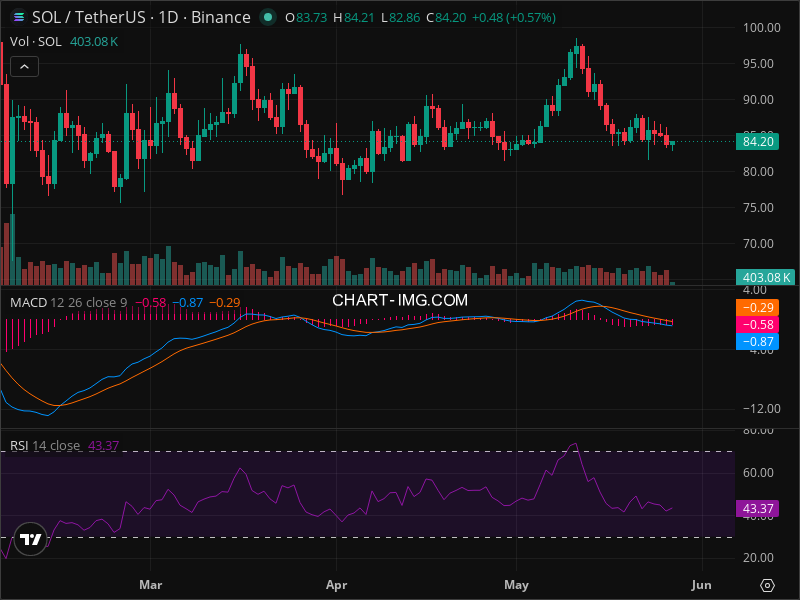
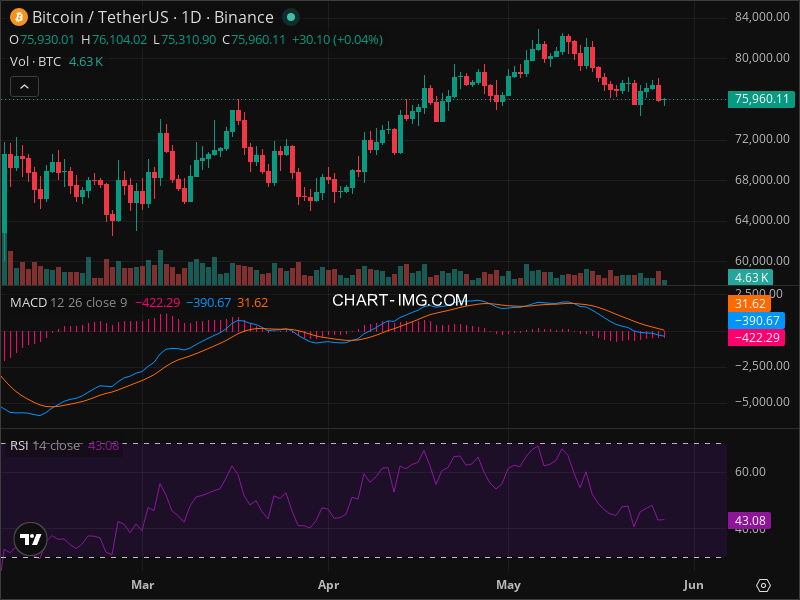
BTC Technical Analysis
May 27, 2026 | Joanna Newman

Soybeans Technical Analysis
May 27, 2026 | Joanna Newman
Live Cattle Technical Analysis
May 27, 2026 | Joanna Newman
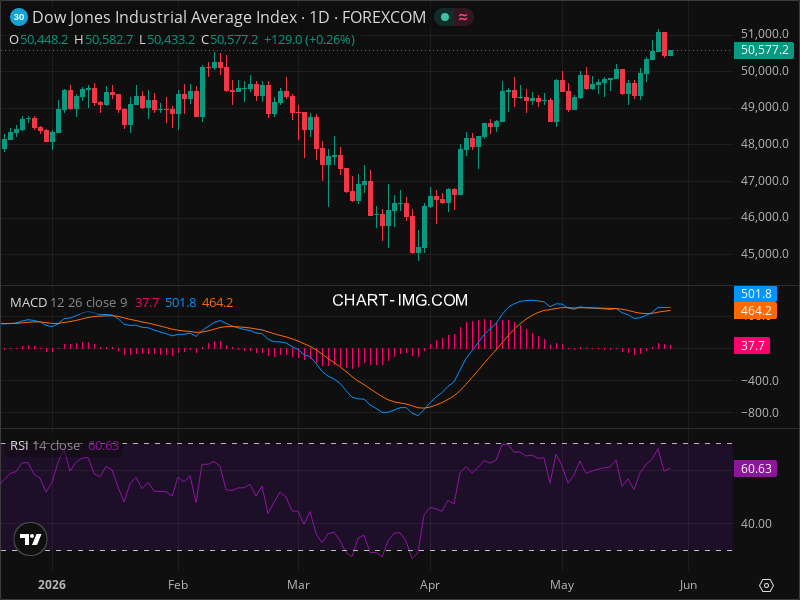
DJI Technical Analysis
May 27, 2026 | Joanna Newman
Tezos (XTZ) Review 2024: Everything You Need to Know Before Buying Tezos
.article-container { font-family: Arial, sans-serif; line-height: 1.6; color: #333; backgrou...
Chromia (CHR) Review 2024: Everything You Need to Know Before Buying Chromia
Illuvium (ILV) Review 2024: Everything You Need to Know Before Buying Illuvium
My Neighbor Alice (ALICE) Review 2024: Everything You Need to Know Before Buying My Neighbor Alice
Star Atlas (ATLAS) Review 2024: Everything You Need to Know Before Buying Star Atlas
TabTrade
What Is TabTrade? A Complete IntroductionTabTrade is a globally oriented multi-asset CFD and forex b...
Funded7
In the fast-moving world of proprietary trading, 2026 has marked a significant shift in what traders...
Bullwaves
Bullwaves Review 2026: A Premium MT5 Brokerage for Multi-Asset TradersBullwaves has quickly carved o...
BlackBull Markets
...
OQtima
Oqtima is an emerging online trading platform that offers a wide range of financial instruments, inc...
(adsbygoogle = window.adsbygoogle || []).push({}); Introduction In t...
(adsbygoogle = window.adsbygoogle || []).push({}); Einführung Wenn es um Er...
Mobi
Are you someone who makes international payments regularly using Bitcoin? Or do you travel a lot and...
Bitcoin.com
Bitcoin.com is a free downloadable Bitcoin wallet that allows users to trade and receive Bitcoins. T...
BTC.com
Created by Bitmain in 2016, BTC.com is a leading open-source Bitcoin and Bitcoin Cash storage platfo...
SEC Approves Ending Pattern Day Trader Rule, $25K Minimum
/* Modern SEO & AI-Optimized Article Styles */ /* Fonts loaded via link tags in head for b
AAFXtrading
AAFX Trading is a global forex and CFD broker known for its high leverage offerings and wide range o
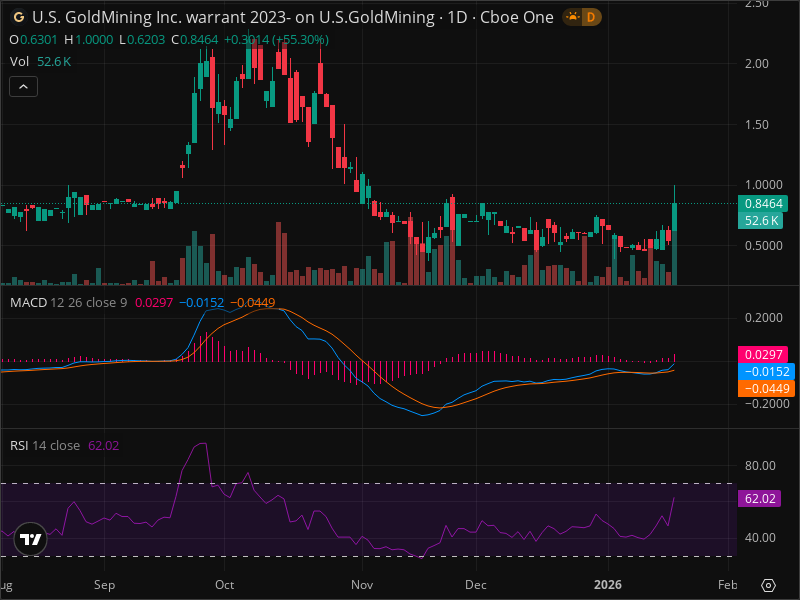
USGOW at Critical Level: Why This Week Matters
USGOW Chart | TradingView USGOW at Critical Level: Why This Week Matters The fi
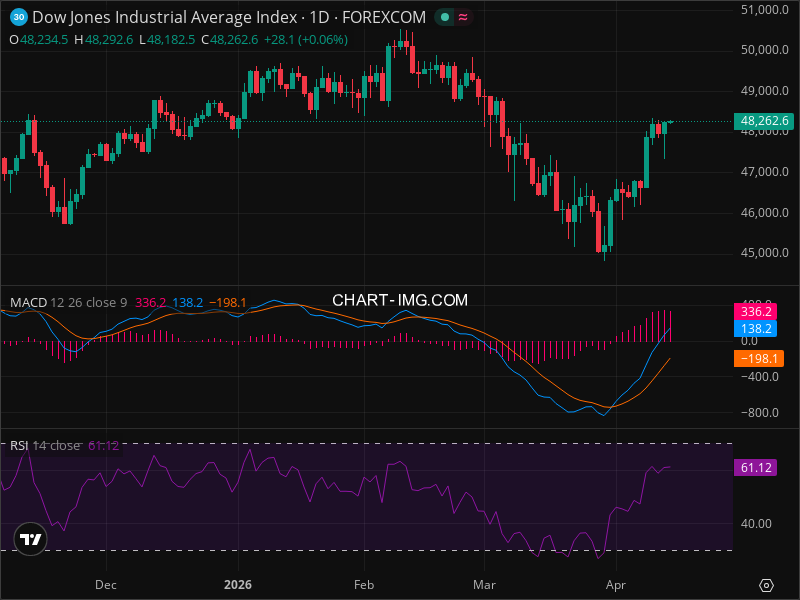
DJI Momentum Shift: The Signals Smart Money Is Watching
DJI Chart | TradingView DJI Momentum Shift: The Signals Smart Money Is Watching
Samsung's New Smartwatch Takes Health Tracking to the Next Level
Samsung has just unveiled its latest innovation in wearable technology at their recent Unpacked even
The Top 10 Crypto Assets with the Highest Potential in 2025
.article-container { font-family: Arial, sans-serif; line-height: 1.6; color: #333; background-color
The Ultimate Bitcoin Review 2024: Everything You Need to Know Today
.article-container { font-family: Arial, sans-serif; line-height: 1.6; color: #333; background-colo
The Everyday Fruit that's a Powerhouse of Nutrition and Your Weight Loss Ally
(adsbygoogle = window.adsbygoogle || []).push({}); IntroductionWhen it comes to nutrition a
The oldest and most powerful remedy to permanently get rid of insects and ants
(adsbygoogle = window.adsbygoogle || []).push({}); IntroductionEach year, as the hot season
Two Beds, One Dream: The Growing Trend of Sleeping Apart for Better Rest
(adsbygoogle = window.adsbygoogle || []).push({}); IntroductionIn an era where quality slee
(adsbygoogle = window.adsbygoogle || []).push({}); Introduction In t...
(adsbygoogle = window.adsbygoogle || []).push({}); Einführung Wenn es um Er...
Mobi
Are you someone who makes international payments regularly using Bitcoin? Or do you travel a lot and...
Bitcoin.com
Bitcoin.com is a free downloadable Bitcoin wallet that allows users to trade and receive Bitcoins. T...
BTC.com
Created by Bitmain in 2016, BTC.com is a leading open-source Bitcoin and Bitcoin Cash storage platfo...


 Français
 Spanish
 Deutsch
 Português
 Türkçe
 Italiano
 العربية
 Русский
 Chinese
 Korean
 Japanese
 Vietnamese
 Hebrew
 Hindi
Hindi
 Greek
Greek
 Polish
 Thai
Thai
 Dutch
Dutch
 Malay
Malay




.png)
.png)
.png)














COMMENTS (0)