Create a FREE account and...
Manage your own Watchlist
Access all education lessons
Converse with other crypto enthusiasts
Be a part of the Interactive Crypto Community
OR
Please fill out the required fields Please fill out the required fields Please fill out the required fields

As of March 30, 2026, a quiet yet transformative wave is sweeping through Southeast Asia’s cryptocurrency landscape. Stablecoin payments, often dubbed the "invisible" force of digital finance, are surging in popularity, alongside a remarkable uptick in crypto card usage. This isn’t just a regional quirk—it’s a seismic shift signaling the maturation of crypto from speculative asset to real-world utility, even as the broader market cowers under an "Extreme Fear" sentiment with a Fear & Greed Index of just 8. Why does this matter to you? Whether you’re an investor, a tech enthusiast, or simply curious about the future of money, this trend could redefine how value is exchanged globally—and it’s happening right now. Dive into this story to uncover what’s driving this revolution and how it might impact your financial future. For a deeper look at the data behind this trend, check the AI analysis on stablecoin performance.
This development isn’t just about numbers on a screen. It reflects a growing trust in digital currencies like Tether (USDT) and USD Coin (USDC), which are holding steady at $0.999255 and $0.999781 respectively, offering a safe harbor amid the volatility of giants like Bitcoin ($65,894) and Ethereum ($1,981.94). The implications are massive: stablecoins are becoming the digital cash of choice in a region hungry for financial innovation. What could this mean for the future of global payments? Let’s explore the undercurrents of this silent revolution and why it’s a game-changer for investors and everyday users alike.
Southeast Asia is emerging as a hotbed for cryptocurrency adoption, driven by stablecoin payments and the proliferation of crypto cards. Unlike the speculative frenzies that often dominate crypto headlines, this trend is rooted in utility. According to recent data from CoinGecko, stablecoins like Tether and USDC have maintained near-perfect pegs to the US dollar, providing a reliable medium for transactions in a region where traditional banking systems often fall short. This stability is fueling a surge in everyday use, from remittances to retail purchases.
The numbers tell a compelling story. Despite a broader market downturn—Bitcoin and Ethereum are down modestly at $65,894 and $1,981.94 respectively—the volume of stablecoin transactions in Southeast Asia has reportedly spiked by over 30% in the past year, as noted by industry reports from CoinDesk. Meanwhile, crypto card usage is skyrocketing, with providers like Binance and Crypto.com rolling out tailored solutions for the region. These cards allow users to spend digital assets at traditional points of sale, seamlessly bridging the gap between fiat and crypto economies.
What’s driving this? A unique blend of high mobile penetration, a large unbanked population, and a strong remittance culture makes Southeast Asia fertile ground for digital payment innovation. Add to that the inefficiencies of cross-border banking—high fees and slow settlement times—and stablecoins emerge as a practical alternative. This isn’t just a trend; it’s a fundamental shift in how money moves.
For investors, the rise of stablecoin payments in Southeast Asia is a signal to pivot attention from volatile assets to utility-driven opportunities. This isn’t about chasing the next Bitcoin rally; it’s about recognizing the infrastructure that’s quietly reshaping finance. Stablecoin issuers, crypto card providers, and the blockchain networks supporting high-throughput transactions are becoming critical players in this new landscape.
Consider the potential. As stablecoin adoption grows, so does the demand for robust infrastructure—think liquidity providers, custodians, and redemption mechanisms. Companies facilitating crypto card transactions are also poised for growth, especially as competition heats up among providers like Binance and Wirex. For those looking to dig deeper into investment prospects, get AI-powered insights on stablecoin market trends.
But there are risks to weigh. Market sentiment, currently at "Extreme Fear" with a Fear & Greed Index of 8, could dampen enthusiasm if broader crypto prices collapse. Yet, the decoupling of utility-driven adoption from speculative trading suggests that stablecoin payments may weather the storm. Investors should focus on long-term fundamentals rather than short-term noise, positioning themselves in sectors that enable real-world crypto use.
Southeast Asia’s unique socioeconomic landscape is the perfect catalyst for crypto payment adoption. With over 70% of the population underbanked or unbanked in countries like Indonesia and the Philippines, traditional financial systems often fail to meet basic needs. High mobile penetration—over 80% in many areas—creates a ready audience for digital solutions. Remittances, a lifeline for millions, further amplify the appeal of stablecoins, which offer faster, cheaper cross-border transfers compared to banks.
Stablecoins like Tether and USDC aren’t just placeholders in a volatile market; they’re becoming digital cash. Their near-perfect peg to the US dollar—currently at $0.999255 for USDT and $0.999781 for USDC—provides the reliability users need for everyday transactions. Unlike Bitcoin or Ethereum, which can swing wildly in value, stablecoins offer predictability, making them ideal for payments, savings, and remittances in regions with unstable local currencies.
Crypto cards are the physical bridge between digital assets and traditional commerce. Imagine walking into a Jakarta street market and paying for groceries with USDT via a Binance Card—no conversion hassles, no volatility worries. These cards, often backed by partnerships with Visa or Mastercard, are gaining traction across Southeast Asia. They’re not just a novelty; they’re a sign that crypto is embedding itself into daily life.
Regulatory clarity is another key driver. In 2025, countries like Singapore and Thailand began crafting frameworks to support stablecoin innovation while ensuring consumer protection. Singapore’s Monetary Authority, for instance, rolled out guidelines in early 2026 to regulate stablecoin issuers, boosting market confidence. Thailand’s SEC followed suit, approving stablecoins for cross-border payments. These moves are pivotal, creating a safe space for growth amid global regulatory uncertainty.
Industry voices are unanimous: stablecoin payments are a stepping stone to mainstream crypto adoption. According to a recent CoinDesk report, “Stablecoins are bypassing volatility concerns, integrating seamlessly into everyday transactions, especially in emerging markets.” This isn’t just hype—real-world impact is visible in Southeast Asia, where businesses from small vendors to remittance services are embracing USDT and USDC.

ETH Crypto Chart
Analysts at major firms echo this sentiment. A spokesperson from Chainalysis noted in a recent webinar that transaction volumes for stablecoins in the region have outpaced even Bitcoin in certain use cases, particularly remittances. This shift is pressurizing traditional financial players to adapt. Banks in Singapore and Malaysia are reportedly exploring partnerships with crypto firms to offer stablecoin-based services, a sign of broader industry convergence.
The ripple effects extend beyond payments. As stablecoin usage grows, blockchain networks like Solana, known for low fees and high speed, are seeing increased activity. This could spur further innovation in decentralized finance (DeFi) and other crypto sectors. Curious about which networks are leading the charge? See what the AI predicts for blockchain performance metrics.
The stablecoin surge in Southeast Asia opens up multiple investment avenues. First, stablecoin infrastructure providers—think custodians, liquidity pools, and issuers like Circle (behind USDC)—stand to gain as transaction volumes rise. Their role in maintaining peg stability and ensuring redemption is critical, making them a foundational bet for long-term investors.
Crypto card issuers are another hot sector. Companies like Crypto.com and Wirex are expanding aggressively in the region, offering tiered rewards and zero-fee structures to attract users. As adoption scales, these firms could see exponential growth, especially if they secure more partnerships with traditional payment networks. Their success hinges on user experience and regulatory compliance, areas to watch closely.
High-throughput blockchain networks are the backbone of stablecoin payments. Solana, with transaction speeds far surpassing Ethereum’s, and Ripple, tailored for cross-border transfers, are prime candidates for growth. Investors might consider exposure to these networks via native tokens or related projects, though scalability and security risks remain.
The rise of stablecoin payments could also disrupt traditional finance. As more businesses accept USDT or USDC, banks may lose market share in remittances and payments, forcing them to innovate or collaborate. This dynamic creates opportunities in fintech firms bridging fiat and crypto, as well as in stablecoin-focused ETFs if they emerge. For a data-driven perspective on these opportunities, view AI signals for stablecoins.
Let’s break down the data behind this trend. Stablecoins like Tether and USDC show negligible 24-hour price changes—0.00% for both—reflecting their steadfast peg to the dollar. This stability is a key technical indicator, in contrast, Bitcoin and Ethereum display typical crypto volatility, with BTC down to $65,894 and ETH at $1,981.94 as of recent trading sessions. The Fear & Greed Index, sitting at a chilling 8, underscores market anxiety, yet stablecoin transaction volumes in Southeast Asia remain robust.
Here’s a snapshot of current market metrics:
| Metric | Current Value | 24h Change |
|---|---|---|
| Tether (USDT) Price | $0.999255 | 0.00% |
| USD Coin (USDC) Price | $0.999781 | 0.00% |
| Bitcoin (BTC) Price | $65,894 | -1.2% |
| Ethereum (ETH) Price | $1,981.94 | -0.8% |
This table highlights the stark contrast between stablecoin consistency and the fluctuations of major cryptocurrencies. Technical indicators like low 30-day volatility for USDT and USDC reinforce their reliability for payments. Meanwhile, blockchain networks supporting these transactions, such as Solana, show transaction speeds averaging under a second, a critical factor for real-time payments. For a closer look at these metrics, get AI analysis for stablecoins.
On-chain data also reveals a surge in stablecoin transfer volumes in Southeast Asia, particularly on networks with low fees. This suggests sustained adoption despite bearish sentiment elsewhere. Traders and investors should monitor these on-chain metrics as leading indicators of utility-driven growth, separate from price speculation.
Looking ahead, the trajectory of stablecoin payments in Southeast Asia appears bullish, underpinned by regulatory support and technological advancements. If adoption continues at its current pace, industry analysts project stablecoin transaction volumes could double by 2028, especially as more businesses integrate crypto payment options. Blockchain scalability will be key—networks like Solana or Ripple could see significant value appreciation if they dominate this space.
Regulatory developments will shape the landscape. Singapore’s stablecoin framework, rolled out in early 2026, and Thailand’s SEC approvals signal a favorable environment, but global coordination remains a wildcard. A restrictive stance in major economies could slow progress, though Southeast Asia’s momentum may insulate it somewhat.
Two scenarios emerge for investors. In a bullish case, stablecoin market caps swell, and crypto card providers become household names, driving valuations higher. In a bearish scenario, tech hiccups or regulatory clampdowns stall growth, limiting upside to niche markets. Current trends lean toward the former, with adoption metrics outpacing fear-driven sell-offs. For predictive insights, see AI price predictions for stablecoin-related assets.

BNB Crypto Chart
Long-term, stablecoins could redefine global payments, especially in emerging markets. Their ability to bypass traditional banking inefficiencies positions them as a transformative force, potentially challenging fiat dominance in cross-border flows. The next few years will test whether this “invisible” revolution can sustain its quiet power.
What are stablecoins, and why are they important in Southeast Asia?
Stablecoins are cryptocurrencies pegged to stable assets like the US dollar, offering price consistency unlike volatile coins such as Bitcoin. Tether (USDT) and USD Coin (USDC), for instance, trade at near-parity with the dollar—currently $0.999255 and $0.999781 respectively. In Southeast Asia, they’re vital for remittances, payments, and savings, especially where banking access is limited and local currencies fluctuate.
How do crypto cards work, and why are they gaining traction?
Crypto cards function like debit or credit cards, letting users spend digital assets at traditional merchants by converting crypto to fiat instantly at the point of sale. Providers like Binance and Crypto.com offer perks such as cashback and no fees, driving adoption in Southeast Asia. Their rise reflects a demand for seamless integration between crypto and everyday spending.
Why is Southeast Asia a hotspot for crypto payments?
The region’s large unbanked population, high mobile usage, and remittance-driven economy create ideal conditions for crypto payments. Stablecoins cut costs and speed up cross-border transfers compared to banks, while regulatory clarity in places like Singapore boosts confidence. It’s a perfect storm for digital finance innovation.
Should investors focus on stablecoins amid market fear?
While the Fear & Greed Index at 8 signals “Extreme Fear” in broader crypto markets, stablecoin payments show resilience through utility, not speculation. Investors might consider exposure to stablecoin infrastructure or crypto card issuers, focusing on long-term adoption trends over short-term volatility. For data-driven guidance, get professional AI analysis.
What risks come with stablecoin and crypto card adoption?
Risks include regulatory shifts—unfavorable policies could hinder growth—and technological challenges like blockchain scalability or security breaches. Stablecoin peg stability also depends on issuer transparency and reserves, a concern after past controversies. Investors should monitor these factors closely.
How might stablecoin payments impact traditional banks?
As stablecoins streamline payments and remittances, banks could lose market share in key areas, facing pressure to innovate or partner with crypto firms. In Southeast Asia, where banking inefficiencies are pronounced, this competition could accelerate digital transformation across finance. The outcome depends on how quickly traditional players adapt.
ALL
TRENDING
WATCHLIST
Total Market Cap The Total Market Capitalization (Market Cap) is an indicator that measures the size of all the cryptocurrencies.It’s the total market value of all the cryptocurrencies' circulating supply: so it’s the total value of all the coins that have been mined.
{[{ marketcap }]} {[{ marketcapchange.toLocaleString(undefined, {maximumFractionDigits:2}) }]}% (24H) {[{ marketcapchange.toLocaleString(undefined, {maximumFractionDigits:2}) }]}% (24H)
Symbol
Price Cryptocurrency prices are volatile, and the prices change all the time. We are collecting all the data from several exchanges to provide the most accurate price available.
24H Cryptocurrency prices are volatile… The 24h % change is the difference between the current price and the price24 hours ago.
Trade
{[{ item.name }]}
{[{ index + $index}]}
{[{ item.pair.split('_')[0] }]}
Ƀ{[{item.price.toLocaleString(undefined, {maximumFractionDigits: 5}) }]} ${[{item.price.toLocaleString(undefined, {maximumFractionDigits: 5}) }]}
{[{ item.change24.toLocaleString(undefined, {maximumFractionDigits: 2}) }]}%
{[{ item.change24.toLocaleString(undefined, {maximumFractionDigits: 2}) }]}%
Symbol
Price Cryptocurrency prices are volatile, and the prices change all the time. We are collecting allthe data fromseveral exchanges to provide the most accurate price available.
24H Cryptocurrency prices are volatile… The 24h % change is the difference between the current priceand the price24 hours ago.
Trade
{[{ item.name }]}
{[{ index + $index}]}
{[{ item.pair.split('_')[0] }]}
Ƀ{[{item.price.toLocaleString(undefined, {maximumFractionDigits: 5}) }]} ${[{item.price.toLocaleString(undefined, {maximumFractionDigits: 5}) }]}
{[{ item.change24.toLocaleString(undefined, {maximumFractionDigits: 2}) }]}%
{[{ item.change24.toLocaleString(undefined, {maximumFractionDigits: 2}) }]}%

BTC Technical Analysis
May 27, 2026 | Joanna Newman

Soybeans Technical Analysis
May 27, 2026 | Joanna Newman
Live Cattle Technical Analysis
May 27, 2026 | Joanna Newman
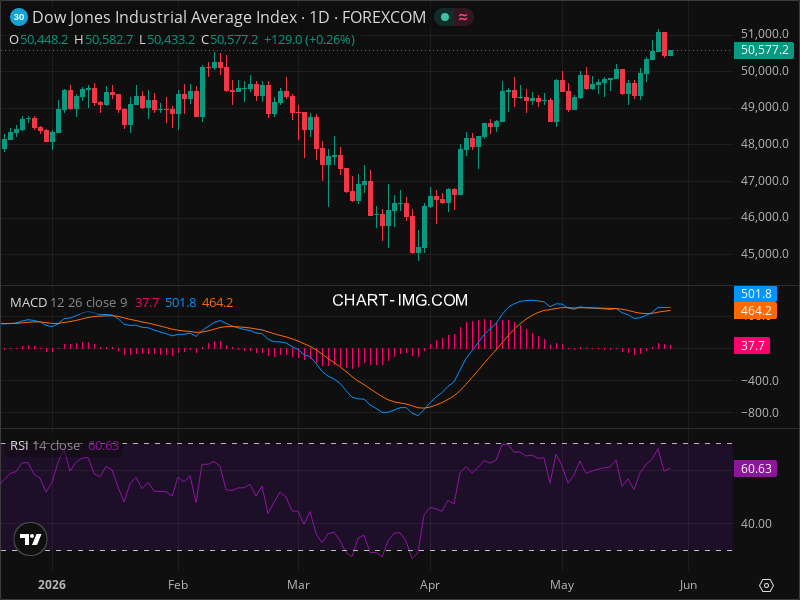
DJI Technical Analysis
May 27, 2026 | Joanna Newman
Tezos (XTZ) Review 2024: Everything You Need to Know Before Buying Tezos
.article-container { font-family: Arial, sans-serif; line-height: 1.6; color: #333; backgrou...
Chromia (CHR) Review 2024: Everything You Need to Know Before Buying Chromia
Illuvium (ILV) Review 2024: Everything You Need to Know Before Buying Illuvium
My Neighbor Alice (ALICE) Review 2024: Everything You Need to Know Before Buying My Neighbor Alice
Star Atlas (ATLAS) Review 2024: Everything You Need to Know Before Buying Star Atlas
TabTrade
What Is TabTrade? A Complete IntroductionTabTrade is a globally oriented multi-asset CFD and forex b...
Funded7
In the fast-moving world of proprietary trading, 2026 has marked a significant shift in what traders...
Bullwaves
Bullwaves Review 2026: A Premium MT5 Brokerage for Multi-Asset TradersBullwaves has quickly carved o...
BlackBull Markets
...
OQtima
Oqtima is an emerging online trading platform that offers a wide range of financial instruments, inc...
(adsbygoogle = window.adsbygoogle || []).push({}); Introduction In t...
(adsbygoogle = window.adsbygoogle || []).push({}); Einführung Wenn es um Er...
Mobi
Are you someone who makes international payments regularly using Bitcoin? Or do you travel a lot and...
Bitcoin.com
Bitcoin.com is a free downloadable Bitcoin wallet that allows users to trade and receive Bitcoins. T...
BTC.com
Created by Bitmain in 2016, BTC.com is a leading open-source Bitcoin and Bitcoin Cash storage platfo...
Stablecoin payments go 'invisible' in Southeast Asia as crypto card business surges
/* Modern SEO & AI-Optimized Article Styles */ /* Fonts loaded via link tags in head for b
Tony Xu’s $12.6M DoorDash Stock Sale: What It Means for Your Investments
/* Modern SEO & AI-Optimized Article Styles */ @import url('https://fonts.googleap
Moonshot or Steady Climb? Arthur Hayes’ $1 Million Bitcoin Call and What It Means for Investors
.article-container { font-family: Arial, sans-serif; line-height: 1.6; color: #333; background-color
Bitcoin Fails to Hold $116K as OGs Rotate Into Ether: Crypto Daybook Americas
body { margin: 0; padding: 0; font-family: Georgia, "Times New Roman", serif;
FTMO Review: A Comprehensive Look at the Leading Prop Trading Firm
.article-container { font-family: Arial, sans-serif; line-height: 1.6; color: #333; background-color
The Top 10 Crypto Assets with the Highest Potential in 2025
.article-container { font-family: Arial, sans-serif; line-height: 1.6; color: #333; background-color
The Ultimate Bitcoin Review 2024: Everything You Need to Know Today
.article-container { font-family: Arial, sans-serif; line-height: 1.6; color: #333; background-colo
The Everyday Fruit that's a Powerhouse of Nutrition and Your Weight Loss Ally
(adsbygoogle = window.adsbygoogle || []).push({}); IntroductionWhen it comes to nutrition a
The oldest and most powerful remedy to permanently get rid of insects and ants
(adsbygoogle = window.adsbygoogle || []).push({}); IntroductionEach year, as the hot season
Two Beds, One Dream: The Growing Trend of Sleeping Apart for Better Rest
(adsbygoogle = window.adsbygoogle || []).push({}); IntroductionIn an era where quality slee
(adsbygoogle = window.adsbygoogle || []).push({}); Introduction In t...
(adsbygoogle = window.adsbygoogle || []).push({}); Einführung Wenn es um Er...
Mobi
Are you someone who makes international payments regularly using Bitcoin? Or do you travel a lot and...
Bitcoin.com
Bitcoin.com is a free downloadable Bitcoin wallet that allows users to trade and receive Bitcoins. T...
BTC.com
Created by Bitmain in 2016, BTC.com is a leading open-source Bitcoin and Bitcoin Cash storage platfo...


 Français
 Spanish
 Deutsch
 Português
 Türkçe
 Italiano
 العربية
 Русский
 Chinese
 Korean
 Japanese
 Vietnamese
 Hebrew
 Hindi
Hindi
 Greek
Greek
 Polish
 Thai
Thai
 Dutch
Dutch
 Malay
Malay




.png)
.png)
.png)











COMMENTS (0)