Create a FREE account and...
Manage your own Watchlist
Access all education lessons
Converse with other crypto enthusiasts
Be a part of the Interactive Crypto Community
OR
Please fill out the required fields Please fill out the required fields Please fill out the required fields

As geopolitical tensions flare in the Middle East, a seismic shift is brewing in global energy markets that could ripple through to the cryptocurrency sector. As of March 11, 2026, with the Iran-Israel conflict threatening to disrupt critical oil supplies, whispers of Western nations reconsidering Russian oil as an alternative are growing louder. This potential pivot, driven by the urgent need for energy security, comes at a time when the crypto market cap stands at a staggering $2.45 trillion, with Bitcoin commanding 56.89% dominance, according to CoinGecko data. What does this mean for the future of energy prices, inflation, and digital assets like Bitcoin, often seen as a safe haven in times of uncertainty? For investors, this unfolding story could redefine portfolio strategies and open new opportunities—or risks—in an already volatile landscape. Let’s dive into the heart of this complex issue and explore why it matters to you right now. Curious about the data behind these trends? Check the AI analysis for deeper insights.
The global energy market is teetering on the edge of transformation as geopolitical fault lines deepen. The escalating conflict between Iran and Israel, a critical oil-producing region, has raised alarms about supply disruptions that could send prices skyrocketing. As of early March 2026, reports suggest that Western nations, historically wary of Russian energy due to sanctions and political tensions, may be quietly exploring Moscow’s oil as a contingency plan to stabilize their economies.
This isn’t mere speculation—energy markets are already showing signs of strain, with oil price volatility spiking in recent weeks. Meanwhile, the cryptocurrency market, often sensitive to macroeconomic shifts, remains robust but jittery. Bitcoin, trading at approximately $69,622 as per CoinGecko data, has seen fluctuating volumes, while the Fear & Greed Index sits at a chilling 15, signaling "Extreme Fear" among investors, according to Alternative.me. This sentiment reflects broader uncertainty, not just in crypto but across all asset classes.
What’s driving this potential shift toward Russian oil? It’s a pragmatic response to an urgent problem. With Middle Eastern instability threatening to choke off supply lines, Western leaders may see Russian oil as the lesser of two evils, despite the diplomatic baggage. This could reshape global trade dynamics and, by extension, influence inflation—a key factor for crypto investors watching central bank moves. Want to see how this impacts Bitcoin’s trajectory? Get AI-powered insights on price predictions.
For investors, whether in traditional markets or crypto, the potential Western pivot to Russian oil is a double-edged sword. On one hand, securing alternative energy supplies could prevent a catastrophic spike in oil prices, easing inflationary pressures that often weigh on risk assets like cryptocurrencies. On the other, this move introduces new geopolitical risks and regulatory uncertainties that could unsettle markets.
If oil prices stabilize due to Russian imports, central banks might hold off on aggressive rate hikes, creating a more favorable environment for Bitcoin and altcoins to thrive. However, if sanctions on Russia are eased to facilitate this trade, it could spark backlash, leading to unpredictable policy shifts. Investors need to stay nimble—consider increasing exposure to Bitcoin as a hedge against inflation, while keeping an eye on energy-related equities that might benefit from this realignment.
Diversification remains key. Crypto portfolios could balance high-risk, high-reward assets like Ethereum, currently at $2,021.71, with stablecoins to weather volatility. Not sure where to start? View AI signals for Bitcoin to guide your next move.
To grasp the full implications of Western nations eyeing Russian oil, we must first unpack the geopolitical quagmire fueling this shift. The Iran-Israel conflict, intensifying through early 2026, isn’t just a regional spat—it’s a direct threat to global oil supply chains. Iran, a major OPEC player, controls key shipping routes like the Strait of Hormuz, through which roughly 20% of the world’s oil passes. Any escalation could choke this artery, sending prices into a tailspin.
Western nations, particularly in Europe, are already grappling with energy insecurity after years of reducing reliance on Russian gas post-2022 Ukraine invasion. Now, with Middle Eastern supplies at risk, the calculus is changing. According to a Bloomberg report, some EU policymakers are quietly discussing frameworks to re-engage with Russian energy markets, albeit under strict conditions. This isn’t idealism—it’s survival.
History offers sobering lessons on how such crises unfold. During the 1973 oil embargo, prices quadrupled, triggering global stagflation. The 1990 Gulf War saw a doubling of oil costs, denting economic growth. Each time, safe-haven assets—gold then, Bitcoin now—saw spikes in demand as investors fled uncertainty. If the current situation mirrors these patterns, energy-driven inflation could push more capital into crypto as a hedge.
The stakes are high. A sudden oil price surge could force central banks to tighten monetary policy, squeezing liquidity and potentially stunting crypto rallies. Yet, Bitcoin’s decentralized nature makes it an appealing escape hatch for capital in turbulent times. Understanding these dynamics is crucial for strategic positioning.

BTC Crypto Chart
Industry voices are sounding the alarm on the cascading effects of this potential energy pivot. Energy analyst Tom Kloza, co-founder of Oil Price Information Service, noted in a recent interview with Bloomberg that “Western nations may have no choice but to tap Russian reserves if Middle Eastern supplies falter—it’s a pragmatic, not ideological, decision.” This sentiment underscores the urgency driving policy discussions.
In the crypto sphere, the implications are equally profound. Mike Novogratz, CEO of Galaxy Digital, has repeatedly highlighted Bitcoin’s role as “digital gold” during geopolitical crises. In a recent podcast, he argued that energy price shocks could accelerate crypto adoption as investors seek alternatives to fiat currencies eroded by inflation. This perspective aligns with growing on-chain activity, as Bitcoin wallet addresses hit new highs despite market fear.
The broader industry impact could be transformative. If energy costs spike, mining operations for Bitcoin, which rely heavily on electricity, may face higher costs, potentially consolidating power among larger players. Conversely, stable energy prices via Russian oil could keep mining profitable for smaller outfits, sustaining decentralization.
The financial ramifications of Western nations buying Russian oil hinge on energy price outcomes. If this move stabilizes oil at, say, $80-$90 per barrel, inflation might remain manageable, giving central banks breathing room. According to JPMorgan Chase analysts, a 10% rise in oil prices typically translates to a 0.3% bump in global inflation—a figure that could balloon if Middle Eastern supplies are cut off entirely.
For crypto investors, inflation is a double-edged sword. Rising consumer prices often drive interest in Bitcoin as a store of value, but aggressive rate hikes to combat inflation can dampen risk appetite. Keeping tabs on these macro indicators is non-negotiable for anyone with skin in the game.
Where are the opportunities? Bitcoin’s historical resilience during crises suggests it could outperform if geopolitical tensions persist. Ethereum, despite recent price dips to $2,021.71, offers long-term value through its DeFi ecosystem, which could attract institutional capital seeking yield in uncertain times. Smaller altcoins tied to energy-efficient protocols might also gain traction if mining costs rise.
A data-driven approach is essential. Check this comparison table for a snapshot of current market metrics:
| Metric | Current Value (March 11, 2026) | 24-Hour Change |
|---|---|---|
| Bitcoin Price | $69,622 | +1.2% |
| Ethereum Price | $2,021.71 | -0.8% |
| Total Market Cap | $2.45 Trillion | +0.5% |
For a deeper dive into these numbers, Get AI analysis for Bitcoin and see what the data reveals.
From a technical standpoint, Bitcoin shows signs of cautious optimism despite the broader market’s “Extreme Fear” sentiment. As of March 11, 2026, Bitcoin’s Relative Strength Index (RSI) hovers at 55, indicating neutral momentum—not overbought, not oversold. The Moving Average Convergence Divergence (MACD) is teasing a potential bullish crossover, a signal often preceding upward price movement, based on historical chart patterns.
Ethereum, on the other hand, paints a murkier picture. Its RSI of 48 suggests bearish undertones, and the MACD remains negative, reflecting recent price declines. Yet, support levels around $1,950 could provide a floor if sentiment shifts. Binance Coin (BNB), at $640.71, sits in neutral territory with an RSI of 52, offering a potential diversification play.
These indicators aren’t gospel, but they’re critical tools for timing entries and exits. On-chain metrics also show Bitcoin accumulation by large holders, or “whales,” signaling confidence in long-term value. For real-time updates on these trends, See what the AI predicts for major cryptocurrencies.

ETH Crypto Chart
Looking ahead, the short-term outlook for both energy and crypto markets remains volatile. If Western nations secure Russian oil deals, oil prices could stabilize within the $85-$95 range by mid-2026, per projections from energy consultancy Wood Mackenzie. This would temper inflation fears, potentially boosting risk assets like crypto. However, if negotiations stall or Middle Eastern conflict escalates, expect oil to breach $120, reigniting inflationary panic.
For Bitcoin, short-term price swings are likely, with resistance at $72,000 and support at $65,000. A breakout above resistance could signal a rally toward $80,000, especially if safe-haven demand spikes. Ethereum might lag but could reclaim $2,200 if DeFi adoption accelerates amid economic uncertainty.
Over the longer horizon, the interplay between energy policy and digital assets will shape market trajectories. A sustained Western reliance on Russian oil could normalize energy costs, freeing up capital for speculative investments in crypto. Conversely, prolonged geopolitical unrest might entrench Bitcoin’s status as digital gold, driving adoption among retail and institutional players alike.
Analysts at Goldman Sachs project Bitcoin could reach $100,000 by 2027 if macro conditions align—namely, persistent inflation and geopolitical instability. While speculative, this underscores the asset’s growing role in diversified portfolios. For a data-backed forecast, See AI price prediction for Bitcoin and beyond.
The escalating Iran-Israel conflict as of March 2026 threatens to disrupt Middle Eastern oil supplies, a critical lifeline for global energy markets. Western countries, facing potential shortages and price spikes, see Russian oil as a pragmatic alternative despite historical tensions and sanctions. Energy security is trumping ideological concerns in this high-stakes environment.
If Western nations secure Russian oil, prices might stabilize around $85-$95 per barrel, avoiding a catastrophic surge. However, failure to diversify supply could push prices past $120, exacerbating inflation and economic strain, according to industry forecasts from firms like Wood Mackenzie.
Energy price volatility directly influences inflation and central bank policies, which in turn affect risk assets like Bitcoin and Ethereum. A spike in inflation often drives demand for crypto as a hedge, while tight monetary policy can suppress speculative investments. Understanding these links is crucial for portfolio management.
Increasingly, yes. Bitcoin’s decentralized nature and fixed supply make it an appealing store of value when fiat currencies face inflationary pressures from events like oil shocks. Historical data shows spikes in Bitcoin demand during past crises, a trend echoed by current on-chain accumulation by large investors.
Leveraging technical indicators like RSI and MACD, alongside on-chain metrics, can provide clarity on price movements. Macroeconomic data—oil prices, inflation rates, interest rate decisions—also offer context. For a comprehensive breakdown, tools like Get professional AI analysis can deliver actionable insights tailored to your investment goals.
Stay informed on geopolitical developments, monitor energy price trends, and consider hedging with safe-haven assets like Bitcoin. Diversify across crypto and traditional assets to mitigate risk, and keep an eye on regulatory shifts that could impact market dynamics. Proactive research and adaptability are your best allies.
ALL
TRENDING
WATCHLIST
Total Market Cap The Total Market Capitalization (Market Cap) is an indicator that measures the size of all the cryptocurrencies.It’s the total market value of all the cryptocurrencies' circulating supply: so it’s the total value of all the coins that have been mined.
{[{ marketcap }]} {[{ marketcapchange.toLocaleString(undefined, {maximumFractionDigits:2}) }]}% (24H) {[{ marketcapchange.toLocaleString(undefined, {maximumFractionDigits:2}) }]}% (24H)
Symbol
Price Cryptocurrency prices are volatile, and the prices change all the time. We are collecting all the data from several exchanges to provide the most accurate price available.
24H Cryptocurrency prices are volatile… The 24h % change is the difference between the current price and the price24 hours ago.
Trade
{[{ item.name }]}
{[{ index + $index}]}
{[{ item.pair.split('_')[0] }]}
Ƀ{[{item.price.toLocaleString(undefined, {maximumFractionDigits: 5}) }]} ${[{item.price.toLocaleString(undefined, {maximumFractionDigits: 5}) }]}
{[{ item.change24.toLocaleString(undefined, {maximumFractionDigits: 2}) }]}%
{[{ item.change24.toLocaleString(undefined, {maximumFractionDigits: 2}) }]}%
Symbol
Price Cryptocurrency prices are volatile, and the prices change all the time. We are collecting allthe data fromseveral exchanges to provide the most accurate price available.
24H Cryptocurrency prices are volatile… The 24h % change is the difference between the current priceand the price24 hours ago.
Trade
{[{ item.name }]}
{[{ index + $index}]}
{[{ item.pair.split('_')[0] }]}
Ƀ{[{item.price.toLocaleString(undefined, {maximumFractionDigits: 5}) }]} ${[{item.price.toLocaleString(undefined, {maximumFractionDigits: 5}) }]}
{[{ item.change24.toLocaleString(undefined, {maximumFractionDigits: 2}) }]}%
{[{ item.change24.toLocaleString(undefined, {maximumFractionDigits: 2}) }]}%

BTC Technical Analysis
May 27, 2026 | Joanna Newman

Soybeans Technical Analysis
May 27, 2026 | Joanna Newman
Live Cattle Technical Analysis
May 27, 2026 | Joanna Newman
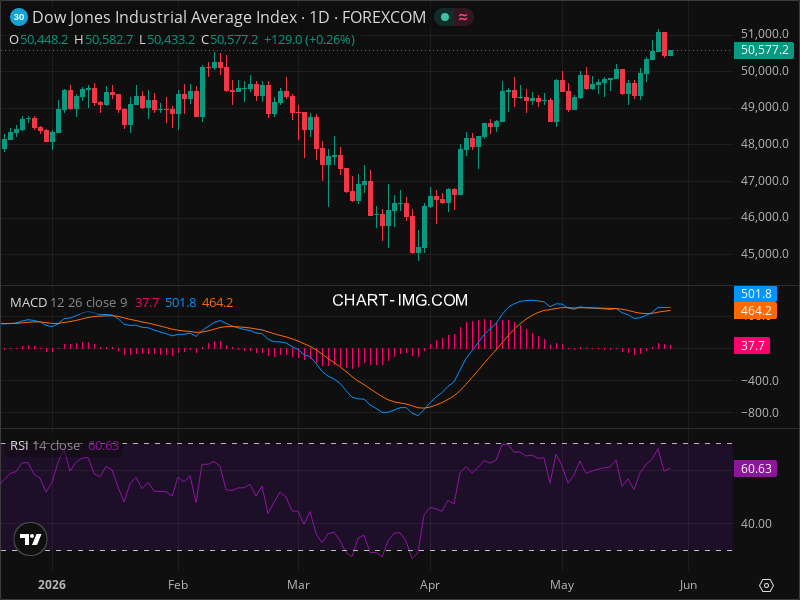
DJI Technical Analysis
May 27, 2026 | Joanna Newman
Tezos (XTZ) Review 2024: Everything You Need to Know Before Buying Tezos
.article-container { font-family: Arial, sans-serif; line-height: 1.6; color: #333; backgrou...
Chromia (CHR) Review 2024: Everything You Need to Know Before Buying Chromia
Illuvium (ILV) Review 2024: Everything You Need to Know Before Buying Illuvium
My Neighbor Alice (ALICE) Review 2024: Everything You Need to Know Before Buying My Neighbor Alice
Star Atlas (ATLAS) Review 2024: Everything You Need to Know Before Buying Star Atlas
TabTrade
What Is TabTrade? A Complete IntroductionTabTrade is a globally oriented multi-asset CFD and forex b...
Funded7
In the fast-moving world of proprietary trading, 2026 has marked a significant shift in what traders...
Bullwaves
Bullwaves Review 2026: A Premium MT5 Brokerage for Multi-Asset TradersBullwaves has quickly carved o...
BlackBull Markets
...
OQtima
Oqtima is an emerging online trading platform that offers a wide range of financial instruments, inc...
(adsbygoogle = window.adsbygoogle || []).push({}); Introduction In t...
(adsbygoogle = window.adsbygoogle || []).push({}); Einführung Wenn es um Er...
Mobi
Are you someone who makes international payments regularly using Bitcoin? Or do you travel a lot and...
Bitcoin.com
Bitcoin.com is a free downloadable Bitcoin wallet that allows users to trade and receive Bitcoins. T...
BTC.com
Created by Bitmain in 2016, BTC.com is a leading open-source Bitcoin and Bitcoin Cash storage platfo...
Why Western Nations Might Turn to Russian Oil Amid Iran-Israel Conflict: What It Means for Crypto Markets
/* Modern SEO & AI-Optimized Article Styles */ /* Fonts loaded via link tags in head for b
Ripple's Treasury Platform Launch: Why Experts Predict a Major Shift for XRP and Crypto Adoption
/* Modern SEO & AI-Optimized Article Styles */ /* Fonts loaded via link tags in head for b
Ethereum vs. Ripple: Which Crypto Giant Will Dominate 2026 Profits?
/* Modern SEO & AI-Optimized Article Styles */ /* Fonts loaded via link tags in head for b
Bitcoin Price Analysis: Why Wall Street’s Bullish Stance Could Signal a $150K Surge
/* Modern SEO & AI-Optimized Article Styles */ /* Fonts loaded via link tags in head for b
JPMorgan’s $1 Trillion Crypto Bet—Could This Skyrocket Bitcoin to $130,000?
.article-container { font-family: Arial, sans-serif; line-height: 1.6; c
The Top 10 Crypto Assets with the Highest Potential in 2025
.article-container { font-family: Arial, sans-serif; line-height: 1.6; color: #333; background-color
The Ultimate Bitcoin Review 2024: Everything You Need to Know Today
.article-container { font-family: Arial, sans-serif; line-height: 1.6; color: #333; background-colo
The Everyday Fruit that's a Powerhouse of Nutrition and Your Weight Loss Ally
(adsbygoogle = window.adsbygoogle || []).push({}); IntroductionWhen it comes to nutrition a
The oldest and most powerful remedy to permanently get rid of insects and ants
(adsbygoogle = window.adsbygoogle || []).push({}); IntroductionEach year, as the hot season
Two Beds, One Dream: The Growing Trend of Sleeping Apart for Better Rest
(adsbygoogle = window.adsbygoogle || []).push({}); IntroductionIn an era where quality slee
(adsbygoogle = window.adsbygoogle || []).push({}); Introduction In t...
(adsbygoogle = window.adsbygoogle || []).push({}); Einführung Wenn es um Er...
Mobi
Are you someone who makes international payments regularly using Bitcoin? Or do you travel a lot and...
Bitcoin.com
Bitcoin.com is a free downloadable Bitcoin wallet that allows users to trade and receive Bitcoins. T...
BTC.com
Created by Bitmain in 2016, BTC.com is a leading open-source Bitcoin and Bitcoin Cash storage platfo...


 Français
 Spanish
 Deutsch
 Português
 Türkçe
 Italiano
 العربية
 Русский
 Chinese
 Korean
 Japanese
 Vietnamese
 Hebrew
 Hindi
Hindi
 Greek
Greek
 Polish
 Thai
Thai
 Dutch
Dutch
 Malay
Malay




.png)
.png)
.png)














COMMENTS (0)