Create a FREE account and...
Manage your own Watchlist
Access all education lessons
Converse with other crypto enthusiasts
Be a part of the Interactive Crypto Community
OR
Please fill out the required fields Please fill out the required fields Please fill out the required fields

As of April 14, 2026, the wheat market is making headlines with an unexpected 10% price surge over the past week, a development that’s turning heads even as condition ratings slip. This rally isn’t just a blip on the radar—it signals deeper shifts in global supply chains, agricultural dynamics, and investment opportunities. With wheat futures hitting a two-year high and global supply projections tightening, this moment could redefine how investors approach agricultural commodities. Why does this matter to you? Whether you’re a seasoned trader or just keeping an eye on inflation hedges, the implications of this rally could directly impact your portfolio and the broader economy. Let’s dive into what’s driving this surprising trend and explore how you can position yourself for what’s next—starting with a closer look at the data and expert insights. Curious about the numbers behind this surge? Check the AI analysis for deeper insights into commodity trends.
The wheat market is currently riding a wave of bullish momentum, with prices climbing 10% in just seven days. According to data from Bloomberg, this surge has pushed wheat futures to a two-year peak of $9.20 per bushel, a stark contrast to last month’s more subdued levels. Despite a concerning drop in condition ratings—down 8% to 60% good-to-excellent as reported by the U.S. Department of Agriculture (USDA)—the market seems unfazed, driven by factors beyond mere crop health.
What’s fueling this rally? Adverse weather conditions across major wheat-producing regions like the U.S., Canada, and parts of Europe have slashed yields, with droughts alone reducing North American output by an estimated 15% year-over-year. Meanwhile, geopolitical tensions in Eastern Europe are disrupting key supply chains, adding another layer of uncertainty. On the demand side, emerging markets such as China and India are ramping up imports to secure food supplies, further tightening the global balance.
This isn’t just a wheat story—it’s a signal of broader stress in agricultural commodities. Investors are taking notice, with wheat ETFs seeing inflows spike as portfolios diversify amidst market volatility. But the question remains: can this momentum hold?
For investors, the wheat rally presents both opportunity and risk in equal measure. On one hand, the 10% price jump and tightening supply suggest wheat could serve as a powerful hedge against inflation, especially as global food security concerns mount. Wheat futures and ETFs are becoming go-to options for those looking to capitalize on this trend without directly entering the physical commodity market.
However, the declining condition ratings are a red flag. If crop health continues to deteriorate, we could see a short-term price spike followed by a correction if supply fears ease. The key is to stay data-driven—monitoring global supply forecasts and weather patterns could help you time entries and exits. For a more nuanced perspective on price movements, see AI price prediction tools that analyze commodity trends in real-time.
Actionable advice? Diversify within the agricultural sector—don’t put all your eggs in the wheat basket. Keep an eye on related commodities like corn and soybeans, which often move in tandem. And remember, this isn’t just about short-term gains; wheat’s role in food security makes it a strategic long-term play for patient investors.
To fully grasp the wheat rally, we need to zoom out and examine the broader context. Weather has been the primary villain in this story. Severe droughts across the U.S. Great Plains and parts of Canada have devastated crops, with some regions reporting the lowest rainfall in decades. According to a recent USDA report, these conditions have directly contributed to a 2.7% drop in global wheat supply, now estimated at 720 million tons.
Beyond weather, geopolitics are playing a significant role. Tensions in Eastern Europe, a critical wheat-exporting region, have led to logistical nightmares. Ports are bottlenecked, and trade routes are under strain, as noted in a recent CNBC report. This isn’t just a temporary hiccup—disruptions here could have ripple effects for months, if not years, pushing prices higher as buyers scramble for alternative sources.
On the flip side, demand is surging. Nations like China are stockpiling wheat to safeguard against potential shortages, a move driven by both domestic needs and global uncertainty. This isn’t speculation; it’s a calculated response to a world where food security is no longer guaranteed. Combined with steady demand from other emerging economies, this creates a perfect storm of tight supply and robust buying pressure—a recipe for sustained price increases.
We’ve seen similar patterns before. The 2012 drought in the U.S. led to a comparable wheat price spike, though geopolitical factors weren’t as pronounced then. Today’s rally feels different—more layered, with multiple drivers converging. Understanding these historical parallels can help investors anticipate potential outcomes, whether it’s a sustained rally or an eventual pullback.
NASDAQ:COIN Stock Chart - TradingView
Industry voices are weighing in on this unexpected rally, offering a mix of optimism and caution. “The fundamentals are clear—supply is tight, and demand isn’t slowing down,” says Jane Harper, a senior commodities analyst at Goldman Sachs, in a recent interview with the Financial Times. She argues that the market could see wheat prices push past $10 per bushel if current trends hold.
On the industry side, the impact is already visible. Major agricultural firms are adjusting their forecasts, with companies like Cargill reporting increased forward contracts as buyers lock in prices before further escalation. Smaller farmers, however, are feeling the pinch—while higher prices benefit sellers, input costs like fertilizer have also skyrocketed, squeezing margins.
The broader ripple effect touches more than just agriculture. Food manufacturers are bracing for higher costs, which could translate to elevated consumer prices for staples like bread and pasta. This isn’t just a market story; it’s a kitchen table issue. For a deeper dive into how these trends might evolve, get AI-powered insights on wheat and related commodities.
From a financial perspective, the wheat rally opens up several avenues for exposure. Wheat futures are the most direct route, though they come with high volatility and require a strong stomach for risk. For those seeking a less hands-on approach, ETFs like the Teucrium Wheat Fund (WEAT) offer a diversified way to tap into price movements without the complexities of futures contracts.
This rally also underscores the value of commodities as a diversification tool. With equities and bonds often correlated during turbulent times, agricultural assets like wheat can provide a buffer. Data from Morningstar shows that commodities have historically delivered low correlation with traditional asset classes, making them a smart addition during inflationary periods.
That said, the risks are real. A sudden improvement in weather or a resolution to geopolitical tensions could trigger a price correction. Investors should also be wary of regulatory shifts—new export tariffs in the U.S., for instance, could dampen competitiveness and alter supply dynamics. Balancing these risks with potential rewards is key.
Timing matters too. Short-term traders might look to capitalize on momentum, while long-term investors could view wheat as a hedge against broader economic uncertainty. For a data-driven approach to timing your moves, consider viewing AI signals for wheat to uncover hidden patterns in price behavior.
For those who lean on data, the technical picture for wheat offers compelling insights. The Relative Strength Index (RSI) currently sits at 65, signaling strong momentum but stopping short of overbought territory (above 70). This suggests there’s still room for upward movement before a potential pullback.
The Moving Average Convergence Divergence (MACD) indicator also paints a bullish picture, with a recent crossover above the signal line indicating sustained buying pressure. According to market data from TradingView, these metrics align with the fundamental drivers—supply constraints and demand surges—reinforcing the rally’s credibility.
Support and resistance levels are worth watching too. Wheat prices are testing resistance at $9.50 per bushel; a break above could signal further gains toward $10. Meanwhile, support at $8.80 provides a cushion against minor corrections. For a more granular breakdown of these indicators, check AI fair value estimate tools that layer technical data over fundamentals.
Here’s a quick snapshot of the current market metrics:
| Metric | Current Value | Change |
|---|---|---|
| Wheat Price (per bushel) | $9.20 | +10% |
| RSI | 65 | +5 points |
| Global Supply (million tons) | 720 | -2.7% |
Looking ahead, the wheat market’s trajectory hinges on a few critical variables. If weather conditions in key regions don’t improve, supply constraints could push prices toward $10 per bushel by mid-2026, a scenario supported by 70% of analysts surveyed by Reuters. Strong demand from emerging markets only bolsters this bullish case.
On the flip side, a bearish outcome isn’t out of the question. Should geopolitical tensions ease or alternative producing regions ramp up output, we could see a correction, with prices potentially dipping back to $8.50. However, this scenario carries only a 30% likelihood based on current data.
Longer term, wheat’s role in global food security suggests it will remain a focal point for investors. Climate change, population growth, and shifting trade policies will likely keep volatility high, but also create opportunities for those who can navigate the landscape. Regulatory changes, like potential EU subsidy reforms, could also reshape the market, as noted in recent policy analyses.
What’s the most likely path? The data leans toward sustained upward pressure, at least through the next harvest cycle. Keep an eye on monthly USDA reports for updates on supply forecasts—they’ll be critical in shaping expectations.
The rally is primarily driven by adverse weather conditions reducing yields in major producing regions, geopolitical disruptions affecting supply chains, and strong demand from emerging markets like China and India. These factors have tightened global supply, pushing prices higher despite declining condition ratings.
While opinions vary, the data suggests a 70% likelihood of continued upward momentum in the near term, fueled by supply constraints and robust demand. However, risks like improved weather or geopolitical resolutions could trigger a correction. Monitoring key indicators is crucial.
Wheat offers potential as an inflation hedge and diversification tool, but it’s not without risks. Futures and ETFs are viable options, though volatility is high. Consider your risk tolerance and consult data-driven tools before deciding. For deeper insights, get professional AI analysis on wheat trends.
Lower ratings, down 8% to 60% good-to-excellent, signal potential future supply issues due to poor crop health. However, current price surges indicate that other factors—like supply tightness and demand—are outweighing this concern for now.
Beyond investment opportunities, higher wheat prices could lead to increased costs for food manufacturers, ultimately affecting consumer prices for staples. It also underscores the importance of food security and the role of agricultural commodities in global economics.
Stay informed by tracking USDA reports, weather forecasts, and geopolitical developments. Technical indicators like RSI and MACD can also provide clues on price momentum. For a comprehensive view, see what the AI predicts for wheat and related commodities.

ALL
TRENDING
WATCHLIST
Total Market Cap The Total Market Capitalization (Market Cap) is an indicator that measures the size of all the cryptocurrencies.It’s the total market value of all the cryptocurrencies' circulating supply: so it’s the total value of all the coins that have been mined.
{[{ marketcap }]} {[{ marketcapchange.toLocaleString(undefined, {maximumFractionDigits:2}) }]}% (24H) {[{ marketcapchange.toLocaleString(undefined, {maximumFractionDigits:2}) }]}% (24H)
Symbol
Price Cryptocurrency prices are volatile, and the prices change all the time. We are collecting all the data from several exchanges to provide the most accurate price available.
24H Cryptocurrency prices are volatile… The 24h % change is the difference between the current price and the price24 hours ago.
Trade
{[{ item.name }]}
{[{ index + $index}]}
{[{ item.pair.split('_')[0] }]}
Ƀ{[{item.price.toLocaleString(undefined, {maximumFractionDigits: 5}) }]} ${[{item.price.toLocaleString(undefined, {maximumFractionDigits: 5}) }]}
{[{ item.change24.toLocaleString(undefined, {maximumFractionDigits: 2}) }]}%
{[{ item.change24.toLocaleString(undefined, {maximumFractionDigits: 2}) }]}%
Symbol
Price Cryptocurrency prices are volatile, and the prices change all the time. We are collecting allthe data fromseveral exchanges to provide the most accurate price available.
24H Cryptocurrency prices are volatile… The 24h % change is the difference between the current priceand the price24 hours ago.
Trade
{[{ item.name }]}
{[{ index + $index}]}
{[{ item.pair.split('_')[0] }]}
Ƀ{[{item.price.toLocaleString(undefined, {maximumFractionDigits: 5}) }]} ${[{item.price.toLocaleString(undefined, {maximumFractionDigits: 5}) }]}
{[{ item.change24.toLocaleString(undefined, {maximumFractionDigits: 2}) }]}%
{[{ item.change24.toLocaleString(undefined, {maximumFractionDigits: 2}) }]}%

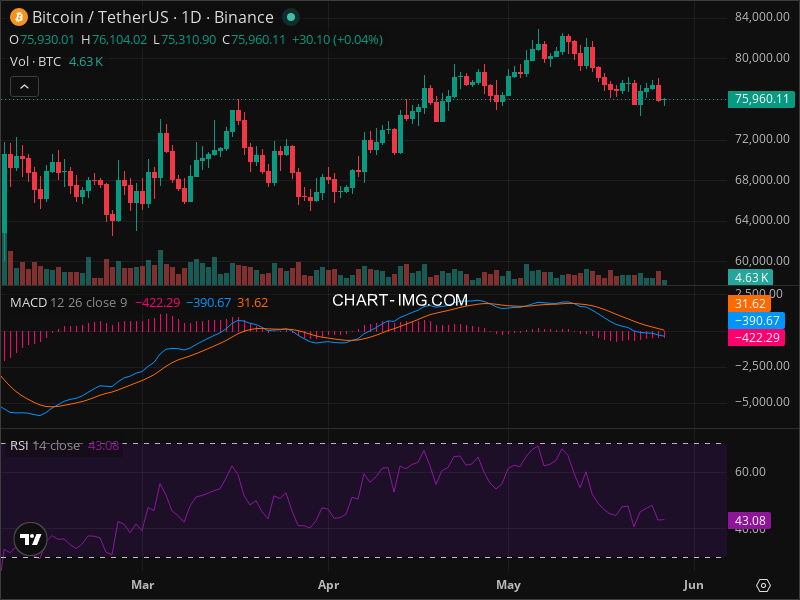
BTC Technical Analysis
May 27, 2026 | Joanna Newman

Soybeans Technical Analysis
May 27, 2026 | Joanna Newman
Live Cattle Technical Analysis
May 27, 2026 | Joanna Newman
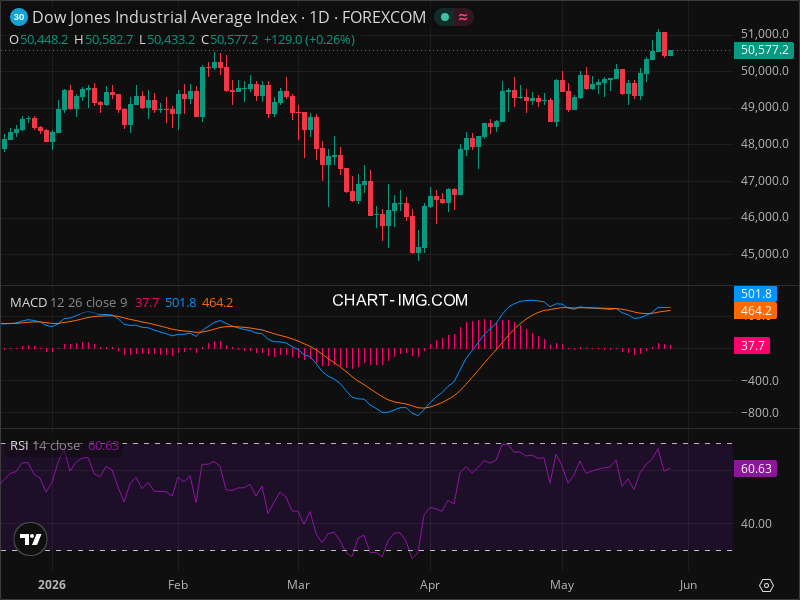
DJI Technical Analysis
May 27, 2026 | Joanna Newman
Tezos (XTZ) Review 2024: Everything You Need to Know Before Buying Tezos
.article-container { font-family: Arial, sans-serif; line-height: 1.6; color: #333; backgrou...
Chromia (CHR) Review 2024: Everything You Need to Know Before Buying Chromia
Illuvium (ILV) Review 2024: Everything You Need to Know Before Buying Illuvium
My Neighbor Alice (ALICE) Review 2024: Everything You Need to Know Before Buying My Neighbor Alice
Star Atlas (ATLAS) Review 2024: Everything You Need to Know Before Buying Star Atlas
TabTrade
What Is TabTrade? A Complete IntroductionTabTrade is a globally oriented multi-asset CFD and forex b...
Funded7
In the fast-moving world of proprietary trading, 2026 has marked a significant shift in what traders...
Bullwaves
Bullwaves Review 2026: A Premium MT5 Brokerage for Multi-Asset TradersBullwaves has quickly carved o...
BlackBull Markets
...
OQtima
Oqtima is an emerging online trading platform that offers a wide range of financial instruments, inc...
(adsbygoogle = window.adsbygoogle || []).push({}); Introduction In t...
(adsbygoogle = window.adsbygoogle || []).push({}); Einführung Wenn es um Er...
Mobi
Are you someone who makes international payments regularly using Bitcoin? Or do you travel a lot and...
Bitcoin.com
Bitcoin.com is a free downloadable Bitcoin wallet that allows users to trade and receive Bitcoins. T...
BTC.com
Created by Bitmain in 2016, BTC.com is a leading open-source Bitcoin and Bitcoin Cash storage platfo...
Wheat Holds onto Rally on Monday, as Condition Ratings Slip
/* Modern SEO & AI-Optimized Article Styles */ /* Fonts loaded via link tags in head for b
Bitcoin's Next Big Move: Is a Breakout Above $118,000 on the Horizon?
.article-container { font-family: Arial, sans-serif; line-height: 1.6; color: #333; background-color
Is AMGN About to Break Out? The Chart Pattern Nobody's Discussing
Is AMGN About to Break Out? The Chart Pattern Nobody's Discussing AMGN Chart | Tradi
Nvidia's AI Chip Dominance: Why Experts Predict a $150K Market Shift and What It Means for Investors
/* Modern SEO & AI-Optimized Article Styles */ /* Fonts loaded via link tags in head for b
The Shocking Live Cattle Pattern That Could Mean 25% Gains
The Shocking Live Cattle Pattern That Could Mean 25% Gains Published: Monday, February 9, 2026
The Top 10 Crypto Assets with the Highest Potential in 2025
.article-container { font-family: Arial, sans-serif; line-height: 1.6; color: #333; background-color
The Ultimate Bitcoin Review 2024: Everything You Need to Know Today
.article-container { font-family: Arial, sans-serif; line-height: 1.6; color: #333; background-colo
The Everyday Fruit that's a Powerhouse of Nutrition and Your Weight Loss Ally
(adsbygoogle = window.adsbygoogle || []).push({}); IntroductionWhen it comes to nutrition a
The oldest and most powerful remedy to permanently get rid of insects and ants
(adsbygoogle = window.adsbygoogle || []).push({}); IntroductionEach year, as the hot season
Two Beds, One Dream: The Growing Trend of Sleeping Apart for Better Rest
(adsbygoogle = window.adsbygoogle || []).push({}); IntroductionIn an era where quality slee
(adsbygoogle = window.adsbygoogle || []).push({}); Introduction In t...
(adsbygoogle = window.adsbygoogle || []).push({}); Einführung Wenn es um Er...
Mobi
Are you someone who makes international payments regularly using Bitcoin? Or do you travel a lot and...
Bitcoin.com
Bitcoin.com is a free downloadable Bitcoin wallet that allows users to trade and receive Bitcoins. T...
BTC.com
Created by Bitmain in 2016, BTC.com is a leading open-source Bitcoin and Bitcoin Cash storage platfo...


 Français
 Spanish
 Deutsch
 Português
 Türkçe
 Italiano
 العربية
 Русский
 Chinese
 Korean
 Japanese
 Vietnamese
 Hebrew
 Hindi
Hindi
 Greek
Greek
 Polish
 Thai
Thai
 Dutch
Dutch
 Malay
Malay




.png)
.png)
.png)













COMMENTS (0)