Create a FREE account and...
Manage your own Watchlist
Access all education lessons
Converse with other crypto enthusiasts
Be a part of the Interactive Crypto Community
OR
Please fill out the required fields Please fill out the required fields Please fill out the required fields

As of February 18, 2026, the cryptocurrency market is caught in a storm of uncertainty, with the Fear & Greed Index plummeting to a staggering low of 8, signaling "Extreme Fear" among investors. This isn’t just a fleeting dip—it’s a moment that could redefine portfolios and reshape the future of digital assets. With Bitcoin trading at $67,325, down 2.32% in the last 24 hours, the question on everyone’s mind is whether this fear-driven sell-off is a disaster or a golden opportunity. For you, the investor watching from the sidelines or the enthusiast eager to jump in, this could be the moment to act—especially with historical data hinting at massive rebounds after such lows. Curious about what lies ahead? Let’s dive into why this fear might just be the precursor to Bitcoin reaching $150,000, and how you can position yourself for the ride. For a deeper dive into the data, check the AI analysis to uncover hidden trends.
The crypto market today is a battlefield of emotions, with fear reigning supreme. According to data from Alternative.me, the Fear & Greed Index at 8 reflects a deep-seated anxiety among investors, driven by macroeconomic pressures and looming regulatory clouds. Bitcoin, the bellwether of the crypto space, has seen its price slide to $67,325, a 2.32% drop in just 24 hours, while its market dominance holds steady at an imposing 56.11%. This suggests that even in turbulent times, investors are flocking to Bitcoin as a relative safe haven.
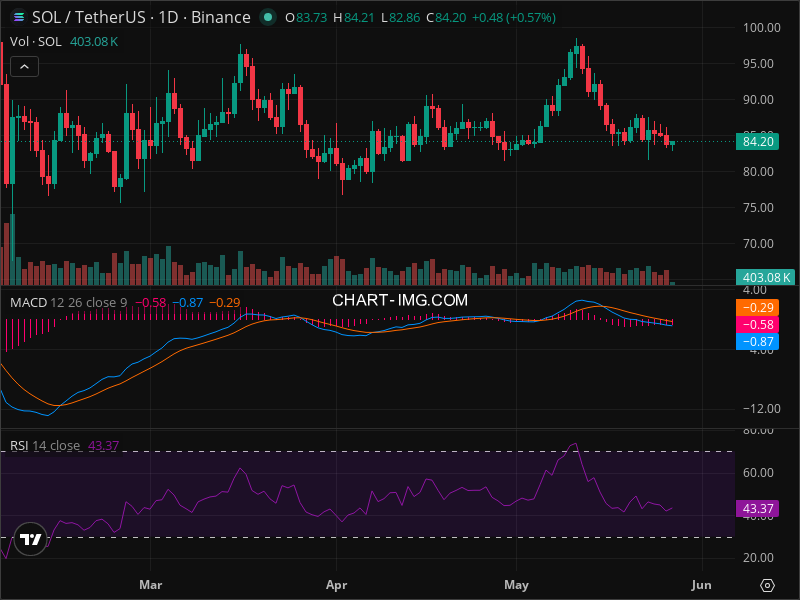
Ethereum, meanwhile, shows a bit more resilience, trading at $1,989.51 with a modest decline of 0.63%. Its market dominance, though lower at 10.01%, underscores its enduring appeal as the backbone of decentralized applications (dApps). Altcoins like Solana aren’t faring as well, with a steeper drop of 2.89% to $84.78, reflecting broader risk aversion in high-beta assets. Yet, amidst this gloom, stablecoins like Tether and USD Coin remain rock-solid near their $1 peg, acting as a refuge for capital preservation.
What’s driving this fear? Recent reports point to heightened regulatory scrutiny and persistent inflation concerns as key culprits. A Bloomberg article from February 2026 highlights ongoing delays in the approval of spot Bitcoin ETFs by the SEC, keeping institutional money on the sidelines. This perfect storm of uncertainty has created a market ripe for volatility—but also for opportunity.
If you’re an investor, the current market sentiment might feel like a punch to the gut. But here’s the silver lining: periods of extreme fear have historically been the best times to buy. Think back to March 2020, when Bitcoin crashed below $5,000 amid global panic—only to skyrocket to $69,000 by late 2021. The data suggests we could be on the cusp of a similar reversal, and ignoring this moment might mean missing out on generational wealth.
For retail investors, this downturn could be the chance to accumulate Bitcoin and Ethereum at discounted prices, especially if you believe in their long-term potential. Institutional players, though hesitant due to regulatory uncertainty, might also see this as a strategic entry point once clarity emerges. The key is to act with data, not emotion. Tools that provide actionable insights can be a game-changer—consider getting AI-powered insights to guide your next move.
But caution is warranted. Volatility cuts both ways, and without a clear strategy, you risk getting caught in a deeper downturn. Focus on assets with strong fundamentals and diversify your exposure to mitigate risk. This isn’t a sprint—it’s a marathon.
To grasp why the market is in such a state of fear, we need to look beyond the headlines. The Fear & Greed Index, a widely followed sentiment gauge, aggregates data from volatility, market momentum, and social media activity to reflect investor mood. At a score of 8, it’s screaming caution—a level often seen at market bottoms. According to historical trends reported by CoinDesk, such extreme fear has preceded every major Bitcoin rally in the past decade.
Macroeconomic factors are a big driver. Persistent inflation and rising interest rates have spooked investors across all asset classes, with crypto bearing the brunt due to its speculative nature. Add to that the regulatory uncertainty—governments worldwide are tightening their grip, with the U.S. SEC delaying Bitcoin ETF approvals and the EU rolling out its comprehensive MiCA framework. These moves aim to protect consumers but often create short-term panic in markets.
Market dynamics are also at play. Bitcoin’s high dominance at 56.11% shows a flight to safety within crypto, as investors shy away from riskier altcoins. Ethereum’s relative stability suggests confidence in its ecosystem, bolstered by ongoing upgrades that promise lower fees and faster transactions. Meanwhile, Solana’s struggles highlight the risks of newer networks facing scalability issues under stress. Understanding these nuances is critical to navigating the current landscape.

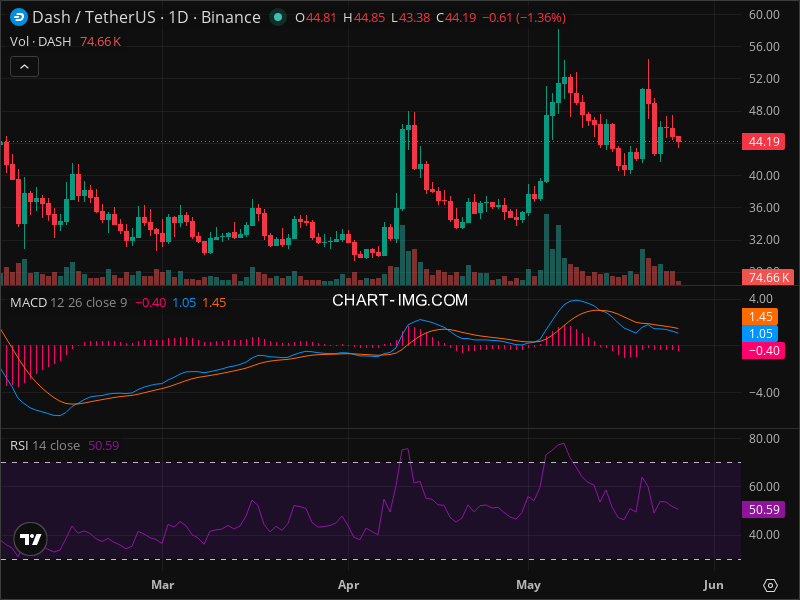
NASDAQ:COIN Daily Stock Chart
Industry leaders and analysts are divided on what comes next, but many see opportunity in the chaos. MicroStrategy CEO Michael Saylor, a vocal Bitcoin advocate, recently tweeted that “fear is the mind-killer,” urging investors to focus on long-term value rather than short-term noise. His firm continues to hold billions in Bitcoin, betting on a future where it becomes a global reserve asset.
Analysts at JPMorgan, as reported by Bloomberg, suggest that while regulatory hurdles remain, the underlying adoption of blockchain technology continues unabated. They point to the growing use of Ethereum-based dApps in finance and gaming as evidence of crypto’s staying power. On the flip side, some warn of further downside if central banks accelerate rate hikes, squeezing liquidity from risk assets like crypto.
The industry impact is palpable. Exchanges are seeing reduced trading volumes as retail investors sit on the sidelines, while DeFi protocols face scrutiny over compliance. Yet, speculative interest persists—trending coins like Pudgy Penguins and Hyperliquid show that pockets of the market remain hungry for innovation. For a data-driven take on these trends, see what the AI predicts about emerging opportunities.
Let’s break down the financial implications. In the short term, the market’s fear-driven sell-off has pushed prices below what many consider fair value. Bitcoin at $67,325 is trading well under its all-time high of nearly $69,000, and technical indicators suggest it’s oversold. Ethereum, too, at under $2,000, looks undervalued given its role in the booming NFT and DeFi sectors.
But there are risks. Continued regulatory crackdowns could further dampen sentiment, and macroeconomic headwinds like inflation could keep capital flowing out of crypto. Investors need to weigh these risks against the potential for a rebound.
Over the long haul, the opportunities are compelling. Bitcoin’s fixed supply of 21 million coins positions it as a hedge against inflation—a narrative that gains traction with every economic downturn. Ethereum’s transition to a more energy-efficient proof-of-stake model could drive adoption among environmentally conscious investors. Even Solana, despite current hiccups, offers high throughput that could make it a leader in decentralized finance if it resolves scalability concerns.
For those looking to capitalize, strategic accumulation during fear-driven dips could yield outsized returns. Consider using advanced tools to refine your approach—get AI analysis for Bitcoin to pinpoint the best entry points.
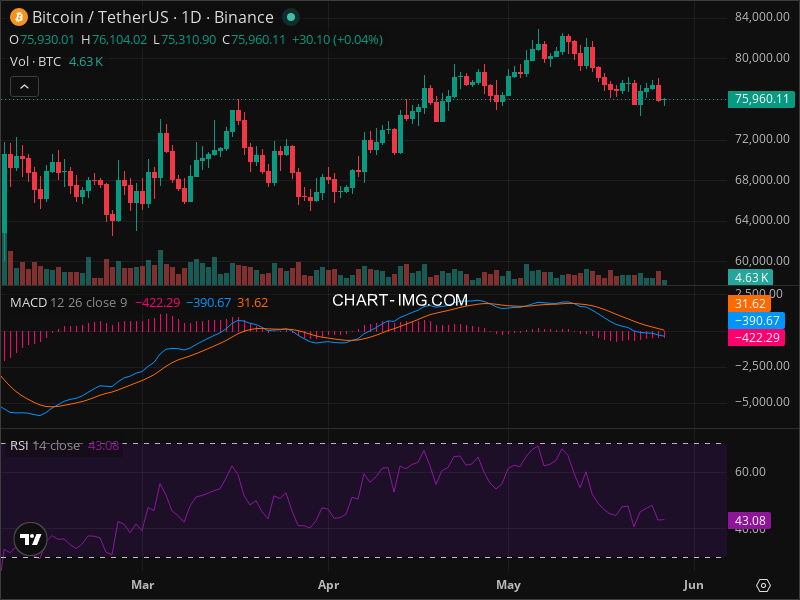
Diving into the charts, the technical picture offers hope amid the gloom. Bitcoin’s Relative Strength Index (RSI) is hovering near 30, a level historically associated with oversold conditions and potential reversals. The Moving Average Convergence Divergence (MACD) is also showing early signs of a bullish crossover, hinting at upward momentum if selling pressure eases.
Ethereum’s technicals are similarly encouraging. Its price is testing key support around $1,950, and a break above the 50-day moving average could signal a rally to $2,200. Solana, while lagging, shows potential for a bounce if it holds above $80—a critical psychological level.
Here’s a snapshot of the current market metrics:
| Cryptocurrency | Current Price | 24h Change | Market Dominance |
|---|---|---|---|
| Bitcoin (BTC) | $67,325 | -2.32% | 56.11% |
| Ethereum (ETH) | $1,989.51 | -0.63% | 10.01% |
| Solana (SOL) | $84.78 | -2.89% | 2.34% |
These indicators aren’t guarantees, but they’re tools to inform decisions. For a more granular look at technical signals, view AI signals for Bitcoin and see where the data points next.
Looking ahead, the bullish case for Bitcoin is tantalizing. If regulatory clarity emerges—say, with the approval of spot Bitcoin ETFs—and macroeconomic conditions stabilize, analysts at CoinDesk suggest Bitcoin could reclaim its previous highs and push toward $150,000 by 2027. Ethereum might follow suit, potentially hitting $5,000 as dApp adoption accelerates.
This scenario hinges on institutional adoption and a cooling of inflation fears. Historical data supports this optimism: every Bitcoin halving cycle has led to new all-time highs, and the next halving in 2028 could amplify this trend.
On the flip side, the bearish case can’t be ignored. If central banks continue aggressive rate hikes and regulatory crackdowns intensify, Bitcoin could test lower supports around $50,000, with Ethereum dipping to $1,500. Such a scenario would likely drag altcoins down further, testing investor resolve.
The probability of this outcome is lower—around 30% per some analyst estimates—but it’s a reminder to stay vigilant. Balancing optimism with caution is key, and tools like AI price predictions can help map out potential scenarios.
The Fear & Greed Index is a sentiment indicator that measures investor emotions in the crypto market, using factors like volatility, market momentum, and social media activity. A score of 8, as seen on February 18, 2026, indicates "Extreme Fear," suggesting panic selling and potential undervaluation. Historically, such lows have often marked buying opportunities, as fear tends to peak just before a reversal.
While no one can predict the market with certainty, data suggests that periods of extreme fear often precede rallies. Bitcoin’s current price of $67,325, coupled with oversold technical indicators, could signal a buying opportunity for long-term investors. However, consider your risk tolerance and use analytical tools to inform your decision.
Ethereum’s relative stability, with only a 0.63% drop compared to Solana’s 2.89%, stems from its established role in the crypto ecosystem. As the foundation for DeFi and NFTs, it enjoys consistent demand even in downturns. Ongoing network upgrades also bolster confidence in its future.
Diversification is key—spread your investments across Bitcoin, Ethereum, and stablecoins to balance risk. Set clear entry and exit points, and avoid emotional decisions. Using advanced analysis can help—check AI fair value estimates to gauge whether assets are over or undervalued.
Regulatory uncertainty, such as delays in Bitcoin ETF approvals or new compliance rules, can dampen investor sentiment and limit institutional participation. However, long-term, clear regulations could stabilize the market and drive adoption. Staying informed about policy changes is crucial for navigating these waters.
Stablecoins like Tether and USD Coin have maintained their peg near $1, making them a reliable way to preserve capital during volatility. They’re not immune to risks—regulatory scrutiny of stablecoin issuers is rising—but they offer a buffer against the wild swings of other cryptocurrencies.
ALL
TRENDING
WATCHLIST
Total Market Cap The Total Market Capitalization (Market Cap) is an indicator that measures the size of all the cryptocurrencies.It’s the total market value of all the cryptocurrencies' circulating supply: so it’s the total value of all the coins that have been mined.
{[{ marketcap }]} {[{ marketcapchange.toLocaleString(undefined, {maximumFractionDigits:2}) }]}% (24H) {[{ marketcapchange.toLocaleString(undefined, {maximumFractionDigits:2}) }]}% (24H)
Symbol
Price Cryptocurrency prices are volatile, and the prices change all the time. We are collecting all the data from several exchanges to provide the most accurate price available.
24H Cryptocurrency prices are volatile… The 24h % change is the difference between the current price and the price24 hours ago.
Trade
{[{ item.name }]}
{[{ index + $index}]}
{[{ item.pair.split('_')[0] }]}
Ƀ{[{item.price.toLocaleString(undefined, {maximumFractionDigits: 5}) }]} ${[{item.price.toLocaleString(undefined, {maximumFractionDigits: 5}) }]}
{[{ item.change24.toLocaleString(undefined, {maximumFractionDigits: 2}) }]}%
{[{ item.change24.toLocaleString(undefined, {maximumFractionDigits: 2}) }]}%
Symbol
Price Cryptocurrency prices are volatile, and the prices change all the time. We are collecting allthe data fromseveral exchanges to provide the most accurate price available.
24H Cryptocurrency prices are volatile… The 24h % change is the difference between the current priceand the price24 hours ago.
Trade
{[{ item.name }]}
{[{ index + $index}]}
{[{ item.pair.split('_')[0] }]}
Ƀ{[{item.price.toLocaleString(undefined, {maximumFractionDigits: 5}) }]} ${[{item.price.toLocaleString(undefined, {maximumFractionDigits: 5}) }]}
{[{ item.change24.toLocaleString(undefined, {maximumFractionDigits: 2}) }]}%
{[{ item.change24.toLocaleString(undefined, {maximumFractionDigits: 2}) }]}%

BTC Technical Analysis
May 27, 2026 | Joanna Newman

Soybeans Technical Analysis
May 27, 2026 | Joanna Newman
Live Cattle Technical Analysis
May 27, 2026 | Joanna Newman
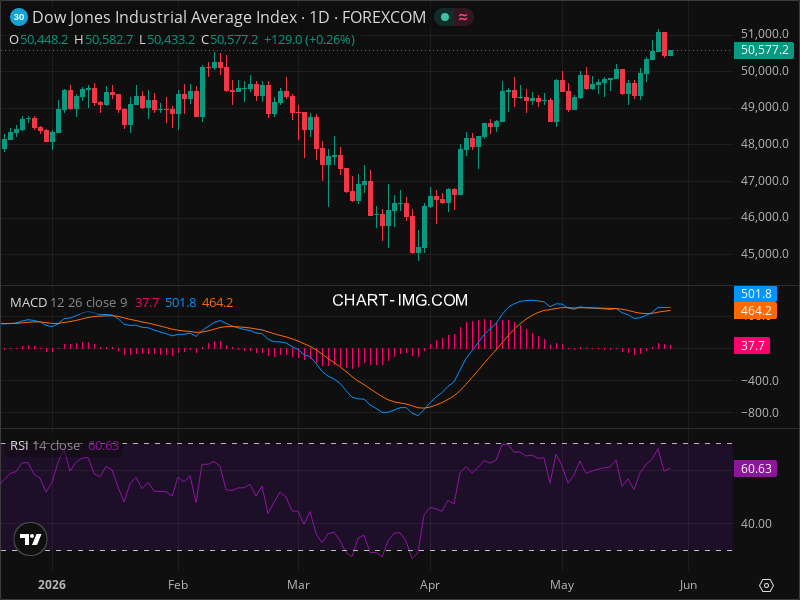
DJI Technical Analysis
May 27, 2026 | Joanna Newman
Tezos (XTZ) Review 2024: Everything You Need to Know Before Buying Tezos
.article-container { font-family: Arial, sans-serif; line-height: 1.6; color: #333; backgrou...
Chromia (CHR) Review 2024: Everything You Need to Know Before Buying Chromia
Illuvium (ILV) Review 2024: Everything You Need to Know Before Buying Illuvium
My Neighbor Alice (ALICE) Review 2024: Everything You Need to Know Before Buying My Neighbor Alice
Star Atlas (ATLAS) Review 2024: Everything You Need to Know Before Buying Star Atlas
TabTrade
What Is TabTrade? A Complete IntroductionTabTrade is a globally oriented multi-asset CFD and forex b...
Funded7
In the fast-moving world of proprietary trading, 2026 has marked a significant shift in what traders...
Bullwaves
Bullwaves Review 2026: A Premium MT5 Brokerage for Multi-Asset TradersBullwaves has quickly carved o...
BlackBull Markets
...
OQtima
Oqtima is an emerging online trading platform that offers a wide range of financial instruments, inc...
(adsbygoogle = window.adsbygoogle || []).push({}); Introduction In t...
(adsbygoogle = window.adsbygoogle || []).push({}); Einführung Wenn es um Er...
Mobi
Are you someone who makes international payments regularly using Bitcoin? Or do you travel a lot and...
Bitcoin.com
Bitcoin.com is a free downloadable Bitcoin wallet that allows users to trade and receive Bitcoins. T...
BTC.com
Created by Bitmain in 2016, BTC.com is a leading open-source Bitcoin and Bitcoin Cash storage platfo...
Bitcoin Price Analysis: Why Extreme Fear in Crypto Could Signal a $150K Breakout
/* Modern SEO & AI-Optimized Article Styles */ /* Fonts loaded via link tags in head for b
AI Superintelligence and Crypto: Why Experts Predict a Market Revolution by 2026
/* Modern SEO & AI-Optimized Article Styles */ /* Fonts loaded via link tags in head for b
Breaking: bitcoin Analysis - What You Need to Know
/* Modern SEO & AI-Optimized Article Styles */ @import url('https://fonts.googleap
Bitcoin at $103,839: Could This Hidden Catalyst Push It to $150,000?
/* Modern SEO & AI-Optimized Article Styles */ @import url('https://fonts.googleap
Shiba Inu Price Analysis: Could This $0.003 Token Spark a $150K Bitcoin Rally?
/* Modern SEO & AI-Optimized Article Styles */ @import url('https://fonts.googleapis.c
The Top 10 Crypto Assets with the Highest Potential in 2025
.article-container { font-family: Arial, sans-serif; line-height: 1.6; color: #333; background-color
The Ultimate Bitcoin Review 2024: Everything You Need to Know Today
.article-container { font-family: Arial, sans-serif; line-height: 1.6; color: #333; background-colo
The Everyday Fruit that's a Powerhouse of Nutrition and Your Weight Loss Ally
(adsbygoogle = window.adsbygoogle || []).push({}); IntroductionWhen it comes to nutrition a
The oldest and most powerful remedy to permanently get rid of insects and ants
(adsbygoogle = window.adsbygoogle || []).push({}); IntroductionEach year, as the hot season
Two Beds, One Dream: The Growing Trend of Sleeping Apart for Better Rest
(adsbygoogle = window.adsbygoogle || []).push({}); IntroductionIn an era where quality slee
(adsbygoogle = window.adsbygoogle || []).push({}); Introduction In t...
(adsbygoogle = window.adsbygoogle || []).push({}); Einführung Wenn es um Er...
Mobi
Are you someone who makes international payments regularly using Bitcoin? Or do you travel a lot and...
Bitcoin.com
Bitcoin.com is a free downloadable Bitcoin wallet that allows users to trade and receive Bitcoins. T...
BTC.com
Created by Bitmain in 2016, BTC.com is a leading open-source Bitcoin and Bitcoin Cash storage platfo...


 Français
 Spanish
 Deutsch
 Português
 Türkçe
 Italiano
 العربية
 Русский
 Chinese
 Korean
 Japanese
 Vietnamese
 Hebrew
 Hindi
Hindi
 Greek
Greek
 Polish
 Thai
Thai
 Dutch
Dutch
 Malay
Malay




.png)
.png)
.png)













COMMENTS (0)