Create a FREE account and...
Manage your own Watchlist
Access all education lessons
Converse with other crypto enthusiasts
Be a part of the Interactive Crypto Community
OR
Please fill out the required fields Please fill out the required fields Please fill out the required fields

As of March 20, 2026, the cryptocurrency world is buzzing with tension, and a seemingly unrelated legal battle in Nevada is sending shockwaves through the industry. Nevada’s recent appeals court decision to temporarily ban the prediction market platform Kalshi isn’t just a local issue—it’s a signal of tighter regulatory scrutiny that could reshape the future of crypto markets. With the total cryptocurrency market cap standing at a staggering $2.49 trillion and Bitcoin’s price hovering at $70,450 (down 0.85% in the last 24 hours according to CoinGecko data), the stakes couldn’t be higher. This development raises critical questions: How will regulatory moves like this impact innovation, investor confidence, and the trajectory of digital assets? For anyone holding crypto or eyeing the market, this is a moment to pay attention—your portfolio could feel the ripple effects. Let’s dive into what this means and why it matters now more than ever. For deeper insights into market trends, check the AI analysis to stay ahead of the curve.
The crypto market is no stranger to volatility, but the Nevada ban on Kalshi—a platform that allows users to bet on real-world events—has introduced a new layer of uncertainty as of March 2026. Bitcoin, the bellwether of the industry, is trading at $70,450, reflecting a cautious market sentiment captured by the Fear & Greed Index, which currently sits at a chilling 11, signaling "Extreme Fear." Ethereum, too, is feeling the heat with a 24-hour dip, contributing to a broader market cap of $2.49 trillion that’s struggling to maintain momentum.
This isn’t just about numbers—it’s about the growing clash between innovation and regulation. Nevada’s move against Kalshi, rooted in concerns that prediction markets blur the line with gambling, mirrors the kind of scrutiny crypto platforms have faced for years. According to Reuters, Kalshi’s spokesperson argued that such platforms offer valuable financial insights and hedging opportunities. Yet, the court’s decision to uphold the ban suggests regulators are prioritizing consumer protection over innovation—at least for now.
The timing couldn’t be more critical. With Bitcoin holding a 56.44% dominance over the market, any regulatory precedent could influence how decentralized platforms are treated nationwide. This isn’t just a Nevada story; it’s a preview of potential challenges for crypto exchanges, DeFi protocols, and beyond.
For crypto investors, the Kalshi ban is a wake-up call. Regulatory actions like this one signal a future where operating in a legal gray area could become increasingly risky. If you’re holding Bitcoin, Ethereum, or altcoins, this decision might not directly impact your wallet today—but it could shape the market environment tomorrow.
First, expect short-term volatility. Historical data shows that regulatory news often triggers knee-jerk reactions, as seen during the 2021 SEC lawsuit against Ripple, which sent XRP prices tumbling before a slow recovery. Second, this could deter smaller retail investors who fear a crackdown on innovative platforms, potentially reducing liquidity in niche markets.
On the flip side, there’s a silver lining. Regulation, while restrictive, often brings clarity that institutional investors crave. If you’re looking to navigate these choppy waters, tools like AI-powered insights can help you assess risks and spot opportunities amidst the uncertainty. Stay informed, diversify your portfolio, and keep an eye on how other states and federal bodies respond to Nevada’s precedent.
Prediction markets like Kalshi have gained traction by allowing users to wager on outcomes—think election results, economic indicators, or even weather events. These platforms operate on a similar decentralized ethos as many crypto projects, using smart contracts and blockchain technology to ensure transparency. But their innovative nature has put them in the crosshairs of regulators who argue they resemble gambling more than financial instruments.
Nevada’s decision to ban Kalshi didn’t happen overnight. The state’s concerns date back to late 2025 when initial scrutiny over Kalshi’s compliance with gambling laws surfaced. By February 2026, courts signaled potential restrictions, culminating in the March 2026 appeals court ruling that temporarily halted operations. The core issue? Nevada regulators believe Kalshi’s model skirts state gambling laws, a perspective that could easily extend to crypto platforms offering derivative products or staking services.
This isn’t the first time regulation has clashed with financial innovation. The 2021 Ripple case, where the SEC accused the company of selling unregistered securities, dragged on for years and spooked investors. Yet, it ultimately forced the industry to adapt, with clearer guidelines emerging over time. Similarly, the Kalshi ban could be a painful but necessary step toward a more structured crypto ecosystem. The question is whether the market can weather the short-term storm.

BTC Crypto Chart
Beyond Nevada, the U.S. regulatory landscape is a patchwork of state and federal rules. While the Commodity Futures Trading Commission (CFTC) oversees prediction markets at a federal level, states like Nevada wield significant power to impose local restrictions. This fragmented approach creates a challenging environment for platforms that operate across borders—much like many crypto exchanges today.
Industry leaders and analysts are divided on Nevada’s move. Michael Saylor, CEO of MicroStrategy and a prominent Bitcoin advocate, recently commented on X that “regulatory overreach risks stifling the very innovation that drives economic growth.” His view reflects a broader concern among crypto enthusiasts that actions against platforms like Kalshi could set a dangerous precedent for blockchain-based projects.
On the other hand, some experts see regulation as inevitable. According to a Bloomberg report, financial analyst Sarah Thompson noted, “While the Kalshi ban may seem harsh, it’s a reminder that new financial tools must align with existing frameworks to gain mainstream acceptance.” Her perspective highlights a potential upside: regulatory clarity could attract more institutional capital to crypto markets, stabilizing prices over time.
The impact extends beyond prediction markets. Crypto exchanges, DeFi protocols, and even NFT marketplaces could face similar scrutiny if regulators adopt Nevada’s logic. For a data-driven take on how this might affect specific assets, see AI price predictions for Bitcoin and other major cryptocurrencies.
The immediate financial implication of the Kalshi ban is heightened uncertainty. With the Fear & Greed Index at 11, investors are already on edge, and news of regulatory crackdowns could exacerbate sell-offs. Bitcoin’s 24-hour decline of 0.85% and Ethereum’s similar dip suggest the market is reacting to broader fears, not just Nevada’s decision.
Looking further out, this regulatory pivot could create opportunities for savvy investors. As smaller platforms struggle with compliance costs, larger, well-funded exchanges like Coinbase or Binance might consolidate market share. Additionally, sectors like DeFi, which often operate outside traditional oversight, could see increased interest if prediction markets are curtailed.
For those willing to adapt, now is the time to research and reassess. Diversifying into assets less likely to face regulatory heat—such as privacy coins or utility tokens—could mitigate risks. Alternatively, focusing on jurisdictions with crypto-friendly policies, like Singapore or Switzerland, might offer safer havens for investment. Curious about undervalued assets in this climate? Get AI fair value estimates to guide your decisions.
One potential upside is the growing interest from institutional players. If regulatory frameworks solidify, firms like BlackRock and Fidelity—already dipping toes into crypto—could accelerate their involvement. This influx of capital might offset retail investor hesitance, providing a stabilizing force for the $2.49 trillion market.
From a technical perspective, the crypto market is showing mixed signals amid the Kalshi news. Bitcoin’s Relative Strength Index (RSI) stands at 45, indicating neither overbought nor oversold conditions, per CoinGecko data. This suggests indecision among traders, a sentiment echoed by the Moving Average Convergence Divergence (MACD), which shows a narrowing gap between signal lines.
Ethereum, with a 10.38% market dominance, is similarly stuck in a holding pattern. Its 50-day moving average is trending just below the 200-day average, hinting at potential bearish momentum if regulatory fears intensify. However, a breakout above key resistance levels—around $2,800—could signal a reversal.
Here’s a snapshot of current metrics for major cryptocurrencies:

ETH Crypto Chart
| Asset | Current Price | 24h Change | RSI |
|---|---|---|---|
| Bitcoin | $70,450 | -0.85% | 45 |
| Ethereum | $2,750 | -1.2% | 42 |
For a more detailed breakdown of technical indicators, view AI signals for Bitcoin and other assets to inform your next move.
What does the future hold for crypto markets in light of Nevada’s Kalshi ban? Analysts are cautiously optimistic, projecting a 60% likelihood of a bullish scenario if regulatory clarity emerges within the next 12 months. This could pave the way for institutional adoption, potentially pushing Bitcoin past $100,000 by late 2027, according to JPMorgan forecasts cited by Bloomberg.
However, a bearish 40% probability remains if legal challenges escalate, driving retail investors out of the market. Historical patterns—like the 2018 crypto winter following regulatory crackdowns in China—suggest a prolonged downturn is possible if confidence erodes further.
Geopolitical factors also play a role. As Europe moves toward the Markets in Crypto-Assets (MiCA) framework for unified regulation, the U.S. risks falling behind if state-level bans like Nevada’s multiply. The balance between innovation and oversight will define the next chapter for crypto. For predictive insights, see what the AI predicts for market trends in the coming months.
The Kalshi ban refers to a March 2026 appeals court decision in Nevada to temporarily halt operations of Kalshi, a prediction market platform. It matters to crypto because it highlights regulatory challenges that could extend to blockchain-based platforms, affecting how decentralized projects are perceived and governed.
In the short term, regulatory news like the Kalshi ban could increase volatility, as seen with Bitcoin’s recent 0.85% drop. Long-term impacts depend on whether broader regulations emerge, potentially stabilizing prices if institutional investors gain confidence from clearer rules.
There’s no one-size-fits-all answer. While the market sentiment is fearful (Fear & Greed Index at 11), panic-selling often locks in losses. Consider your risk tolerance, diversify, and use tools like AI analysis for Bitcoin to make informed decisions.
Not exactly. Prediction markets like Kalshi focus on betting on real-world outcomes, while crypto platforms deal with digital asset trading or DeFi services. However, both often use similar blockchain technology, making regulatory actions against one a potential warning for the other.
Stay informed about regulatory developments, diversify across assets and jurisdictions, and focus on platforms with strong compliance records. Monitoring technical indicators and market sentiment can also help—get professional AI analysis for tailored insights.
It’s possible. States often look to each other for regulatory precedents, especially in areas like gambling and financial innovation. If Nevada’s ban holds, platforms operating in multiple states could face a domino effect of restrictions.

ALL
TRENDING
WATCHLIST
Total Market Cap The Total Market Capitalization (Market Cap) is an indicator that measures the size of all the cryptocurrencies.It’s the total market value of all the cryptocurrencies' circulating supply: so it’s the total value of all the coins that have been mined.
{[{ marketcap }]} {[{ marketcapchange.toLocaleString(undefined, {maximumFractionDigits:2}) }]}% (24H) {[{ marketcapchange.toLocaleString(undefined, {maximumFractionDigits:2}) }]}% (24H)
Symbol
Price Cryptocurrency prices are volatile, and the prices change all the time. We are collecting all the data from several exchanges to provide the most accurate price available.
24H Cryptocurrency prices are volatile… The 24h % change is the difference between the current price and the price24 hours ago.
Trade
{[{ item.name }]}
{[{ index + $index}]}
{[{ item.pair.split('_')[0] }]}
Ƀ{[{item.price.toLocaleString(undefined, {maximumFractionDigits: 5}) }]} ${[{item.price.toLocaleString(undefined, {maximumFractionDigits: 5}) }]}
{[{ item.change24.toLocaleString(undefined, {maximumFractionDigits: 2}) }]}%
{[{ item.change24.toLocaleString(undefined, {maximumFractionDigits: 2}) }]}%
Symbol
Price Cryptocurrency prices are volatile, and the prices change all the time. We are collecting allthe data fromseveral exchanges to provide the most accurate price available.
24H Cryptocurrency prices are volatile… The 24h % change is the difference between the current priceand the price24 hours ago.
Trade
{[{ item.name }]}
{[{ index + $index}]}
{[{ item.pair.split('_')[0] }]}
Ƀ{[{item.price.toLocaleString(undefined, {maximumFractionDigits: 5}) }]} ${[{item.price.toLocaleString(undefined, {maximumFractionDigits: 5}) }]}
{[{ item.change24.toLocaleString(undefined, {maximumFractionDigits: 2}) }]}%
{[{ item.change24.toLocaleString(undefined, {maximumFractionDigits: 2}) }]}%

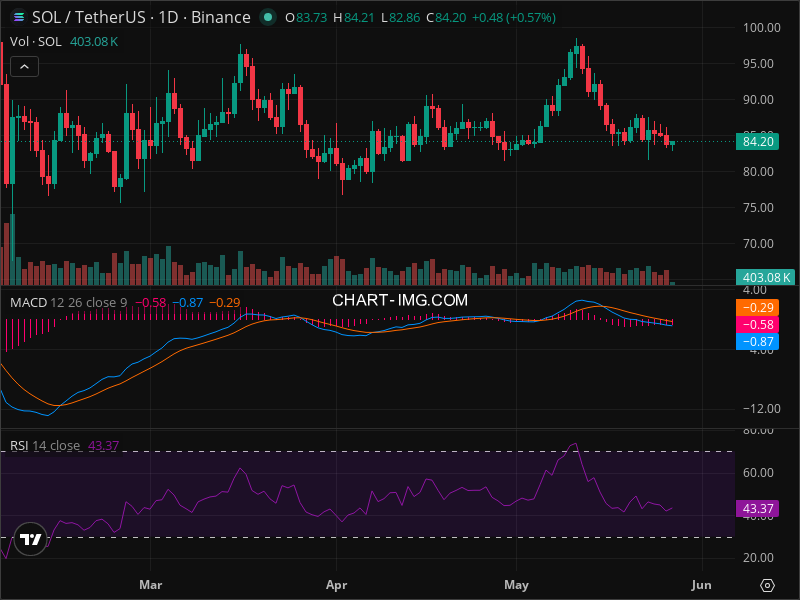
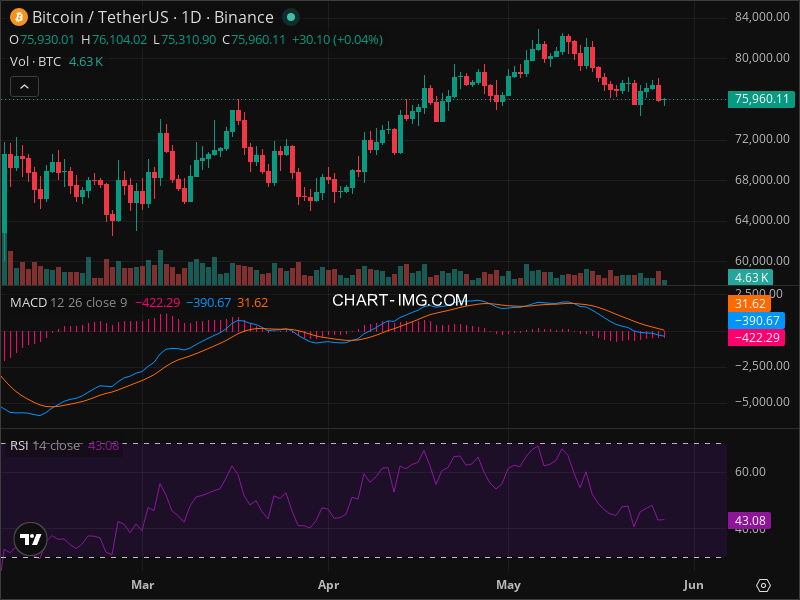
BTC Technical Analysis
May 27, 2026 | Joanna Newman

Soybeans Technical Analysis
May 27, 2026 | Joanna Newman
Live Cattle Technical Analysis
May 27, 2026 | Joanna Newman
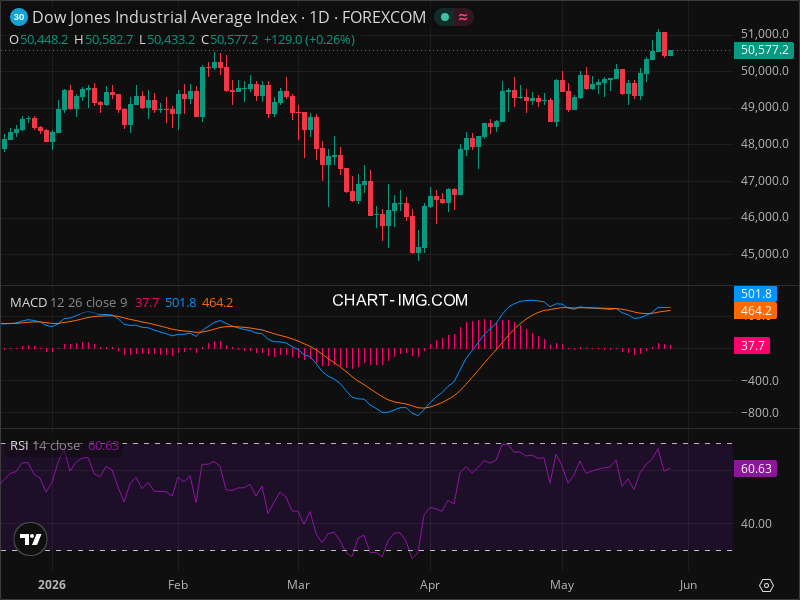
DJI Technical Analysis
May 27, 2026 | Joanna Newman
Tezos (XTZ) Review 2024: Everything You Need to Know Before Buying Tezos
.article-container { font-family: Arial, sans-serif; line-height: 1.6; color: #333; backgrou...
Chromia (CHR) Review 2024: Everything You Need to Know Before Buying Chromia
Illuvium (ILV) Review 2024: Everything You Need to Know Before Buying Illuvium
My Neighbor Alice (ALICE) Review 2024: Everything You Need to Know Before Buying My Neighbor Alice
Star Atlas (ATLAS) Review 2024: Everything You Need to Know Before Buying Star Atlas
TabTrade
What Is TabTrade? A Complete IntroductionTabTrade is a globally oriented multi-asset CFD and forex b...
Funded7
In the fast-moving world of proprietary trading, 2026 has marked a significant shift in what traders...
Bullwaves
Bullwaves Review 2026: A Premium MT5 Brokerage for Multi-Asset TradersBullwaves has quickly carved o...
BlackBull Markets
...
OQtima
Oqtima is an emerging online trading platform that offers a wide range of financial instruments, inc...
(adsbygoogle = window.adsbygoogle || []).push({}); Introduction In t...
(adsbygoogle = window.adsbygoogle || []).push({}); Einführung Wenn es um Er...
Mobi
Are you someone who makes international payments regularly using Bitcoin? Or do you travel a lot and...
Bitcoin.com
Bitcoin.com is a free downloadable Bitcoin wallet that allows users to trade and receive Bitcoins. T...
BTC.com
Created by Bitmain in 2016, BTC.com is a leading open-source Bitcoin and Bitcoin Cash storage platfo...
Nevada’s Kalshi Ban: Why This Could Be a Game-Changer for Crypto Markets in 2026
/* Modern SEO & AI-Optimized Article Styles */ /* Fonts loaded via link tags in head for b
ANZ Bank Slashes 3,500 Jobs to Save $369M—How This Shakes Up Crypto Markets
/* Modern SEO & AI-Optimized Article Styles */ @import url('https://fonts.googleap
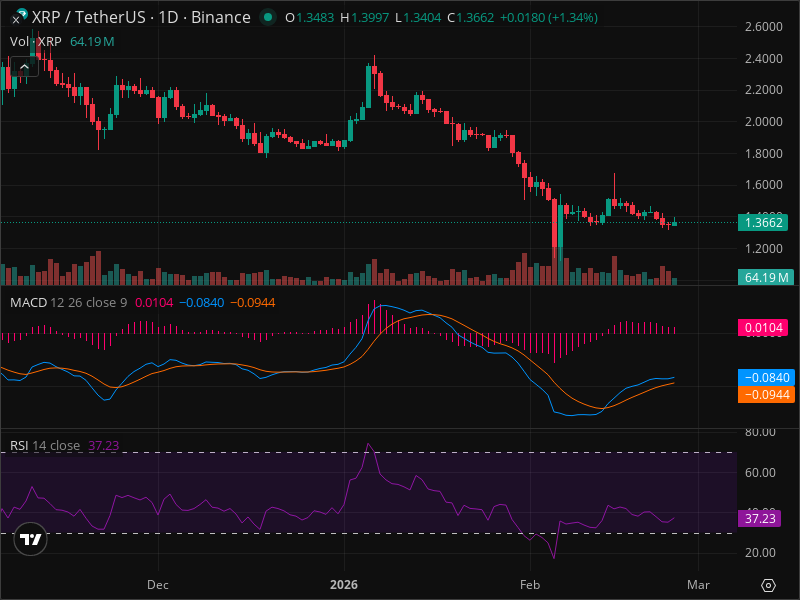
XRP Momentum Shift: The Signals Smart Money Is Watching
XRP Momentum Shift: The Signals Smart Money Is Watching XRP Chart | TradingView
How to Diversify Your Crypto Investments
The cryptocurrency market is infamously volatile. This is both negative and positive. On one hand, i
Abundant Global Coffee Supplies Pressures Prices
/* Modern SEO & AI-Optimized Article Styles */ /* Fonts loaded via link tags in head for b
The Top 10 Crypto Assets with the Highest Potential in 2025
.article-container { font-family: Arial, sans-serif; line-height: 1.6; color: #333; background-color
The Ultimate Bitcoin Review 2024: Everything You Need to Know Today
.article-container { font-family: Arial, sans-serif; line-height: 1.6; color: #333; background-colo
The Everyday Fruit that's a Powerhouse of Nutrition and Your Weight Loss Ally
(adsbygoogle = window.adsbygoogle || []).push({}); IntroductionWhen it comes to nutrition a
The oldest and most powerful remedy to permanently get rid of insects and ants
(adsbygoogle = window.adsbygoogle || []).push({}); IntroductionEach year, as the hot season
Two Beds, One Dream: The Growing Trend of Sleeping Apart for Better Rest
(adsbygoogle = window.adsbygoogle || []).push({}); IntroductionIn an era where quality slee
(adsbygoogle = window.adsbygoogle || []).push({}); Introduction In t...
(adsbygoogle = window.adsbygoogle || []).push({}); Einführung Wenn es um Er...
Mobi
Are you someone who makes international payments regularly using Bitcoin? Or do you travel a lot and...
Bitcoin.com
Bitcoin.com is a free downloadable Bitcoin wallet that allows users to trade and receive Bitcoins. T...
BTC.com
Created by Bitmain in 2016, BTC.com is a leading open-source Bitcoin and Bitcoin Cash storage platfo...


 Français
 Spanish
 Deutsch
 Português
 Türkçe
 Italiano
 العربية
 Русский
 Chinese
 Korean
 Japanese
 Vietnamese
 Hebrew
 Hindi
Hindi
 Greek
Greek
 Polish
 Thai
Thai
 Dutch
Dutch
 Malay
Malay




.png)
.png)
.png)














COMMENTS (0)