Create a FREE account and...
Manage your own Watchlist
Access all education lessons
Converse with other crypto enthusiasts
Be a part of the Interactive Crypto Community
OR
Please fill out the required fields Please fill out the required fields Please fill out the required fields

As of May 9, 2026, the cocoa market is undergoing a dramatic shift that has caught the attention of traders and investors worldwide. A surprising surge in inventories at the Intercontinental Exchange (ICE) has led to an 8% drop in cocoa prices over the past month, challenging earlier expectations of a tightening supply. This development isn’t just a blip on the radar—it’s a critical signal that could reshape investment strategies and market dynamics for months to come. Whether you’re a seasoned commodity trader or simply curious about agricultural markets, this inventory buildup directly impacts your financial decisions, and understanding its implications could be the key to navigating what lies ahead. For deeper insights into market trends, check the AI analysis to uncover hidden patterns in commodity pricing.
What’s driving this unexpected turn? And more importantly, what does it mean for the future of cocoa prices? Let’s dive into the heart of this story, unpacking the data, expert opinions, and potential opportunities that lie beneath the surface.
The cocoa market has been rocked by a significant 15% increase in ICE inventories over the past quarter, reaching levels not seen since 2024. According to data from the ICE, this buildup reflects a confluence of bumper harvests in key producing regions like West Africa and a noticeable slowdown in demand from major markets in Europe and North America. Just a month ago, cocoa futures were trading with cautious optimism, but the latest figures show a stark 8% price decline, bringing prices to around $2,400 per tonne.
This isn’t just about numbers—it’s about a fundamental shift in supply and demand dynamics. Favorable weather conditions in countries like Ivory Coast and Ghana, which together account for over 60% of global cocoa production, have led to unexpectedly high yields. Meanwhile, economic uncertainties in key consuming regions have dampened demand, leaving warehouses fuller than anticipated. For traders looking to make sense of these movements, get AI-powered insights to better understand the underlying trends.
For investors, the current cocoa market landscape is a double-edged sword. On one hand, the price drop could signal a buying opportunity for those who believe the inventory surge is temporary. On the other, sustained high stock levels and weak demand could push prices even lower, creating risks for those heavily exposed to cocoa futures.
The immediate takeaway? Caution is key. Portfolio managers and retail investors alike should reassess their positions, considering diversification into other commodities like coffee or sugar, which have shown more resilience this year. Keeping a close eye on inventory reports and demand signals will be critical in the coming weeks. If you’re looking to refine your strategy, see AI price prediction for data-driven forecasts on cocoa and related markets.
To fully grasp why cocoa prices are retreating, we need to step back and examine the broader context. West Africa, the epicenter of global cocoa production, has enjoyed near-perfect weather conditions over the past growing season. Rainfall and temperatures in Ivory Coast and Ghana have aligned to produce a bumper crop, far exceeding earlier projections by industry analysts.
At the same time, demand has faltered. Economic headwinds in Europe, including inflationary pressures and reduced consumer spending, have led to lower chocolate consumption—a key driver of cocoa demand. North America, too, has seen a dip in orders from major confectionery companies, as reported by Bloomberg in April 2026. This mismatch between abundant supply and softening demand has created the perfect storm for inventory buildup.
This isn’t the first time cocoa has faced such a scenario. Back in 2016, a similar inventory surge led to a prolonged period of price suppression, lasting nearly 18 months before a demand recovery kicked in. While today’s economic conditions differ, the parallel serves as a reminder that oversupply can have lasting effects on commodity markets.
Beyond weather and demand, supply chain logistics have played a role. Improved storage facilities at ICE-monitored warehouses have allowed for greater stockpiling, while shipping delays earlier in the year meant some cocoa arrived later than expected, further inflating inventory figures. These structural factors add another layer of complexity to the current situation.
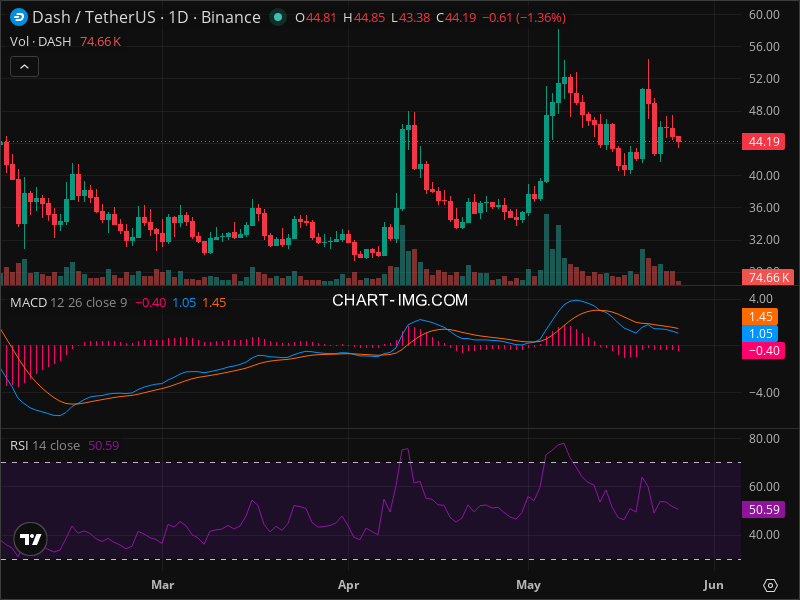
NASDAQ:COIN Stock Chart - TradingView
Industry voices are divided on what this inventory surge means for cocoa’s future. According to a recent statement from commodity analyst Peter Moeller at Rabobank, “The market is in a wait-and-see mode. If inventories don’t start to decline by the end of Q2 2026, we could see prices test even lower levels.” His caution reflects a broader sentiment among analysts who worry about prolonged oversupply.
On the flip side, some experts remain optimistic. A report from Citi Research suggests that a rebound in demand, particularly ahead of the holiday season, could absorb excess stocks faster than expected. This divergence in opinion underscores the uncertainty gripping the market and highlights the need for robust data analysis. For a clearer picture, view AI signals for cocoa to see what advanced algorithms predict.
For cocoa-producing nations, the price drop is a mixed bag. While higher yields are a boon for farmers in Ivory Coast and Ghana, lower prices squeeze their profit margins. Governments in these regions are pushing for greater local processing to add value to their exports, a move that could reshape global supply dynamics over the long term.
From a financial perspective, the current cocoa market offers both risks and potential rewards. For speculative traders, the 8% price drop could be a signal to enter at a lower cost, betting on a future recovery. However, the bearish technical indicators and high inventory levels suggest that any rally might be months away.
Institutional investors, meanwhile, may see this as a chance to rebalance portfolios. Commodities like coffee, which have posted a 5% year-to-date gain, or sugar, up 3%, present safer havens compared to cocoa’s current volatility. Below is a detailed comparison of year-to-date performance across these agricultural commodities, illustrating cocoa’s relative underperformance.
| Commodity | YTD Performance | Current Price |
|---|---|---|
| Cocoa | -8% | $2,400/tonne |
| Coffee | +5% | $2.20/lb |
| Sugar | +3% | $0.19/lb |
One potential strategy is to focus on companies in the cocoa value chain, such as chocolate manufacturers, which may benefit from lower input costs. Alternatively, futures contracts with longer maturities could offer a hedge against near-term price declines while positioning for a potential rebound in 2027.
Risk management is paramount in this environment. Stop-loss orders and diversified commodity baskets can help mitigate losses if the bearish trend persists. For those seeking data-driven decision-making tools, get professional AI analysis to refine your approach.
Turning to the charts, the technical outlook for cocoa remains bearish. The Relative Strength Index (RSI) sits at 42, hovering in neutral-to-bearish territory, suggesting that selling pressure hasn’t yet exhausted itself. Meanwhile, the Moving Average Convergence Divergence (MACD) indicator shows a bearish crossover, pointing to continued downward momentum in the near term.
Price resistance is evident at around $2,500 per tonne, a level that cocoa has struggled to breach since the inventory surge began. Support, on the other hand, lies near $2,200 per tonne—a threshold that could be tested if inventory levels don’t stabilize soon. These metrics paint a challenging picture for bullish traders.
Traders should keep an eye on the $2,200 support level as a critical marker. A break below this could signal further declines, potentially dragging prices toward $2,000. Conversely, a drop in ICE inventories could push prices back toward the $2,500 resistance zone.
Looking ahead, the cocoa market’s trajectory hinges on two primary factors: inventory drawdowns and demand recovery. Analysts at Citi Research estimate a 40% probability of a bullish scenario, with prices potentially reaching $2,600 per tonne if holiday demand surges and adverse weather impacts future harvests. However, a bearish scenario, with a 60% likelihood, sees prices dipping to $2,200 per tonne if oversupply persists.
Regulatory moves in producing countries add another wildcard. Policies aimed at increasing local processing in Ghana and Ivory Coast could tighten raw bean exports, potentially supporting prices over the long term. For a more detailed forecast, see what the AI predicts about cocoa’s price trajectory.
Beyond 2026, sustainability concerns and climate change could play a larger role in shaping cocoa supply. Erratic weather patterns, while favorable now, remain a risk for future harvests. Investors with a long-term horizon should factor these variables into their strategies.
The 8% decline in cocoa prices over the past month is primarily driven by a 15% surge in ICE inventories, fueled by bumper harvests in West Africa and weaker demand from Europe and North America.
It depends on your risk tolerance and market outlook. While the current price drop could present a buying opportunity, bearish technical indicators and high inventory levels suggest caution. Tools like AI fair value estimates can help guide your decision.
Higher inventories typically signal an oversupply, putting downward pressure on prices as the market adjusts to excess stock. A sustained increase, as seen recently, often leads to price declines unless demand picks up.
Keep an eye on weekly ICE inventory reports, economic indicators from major consuming regions, and weather forecasts for West Africa. These will provide clues about potential price movements.
A rebound is possible if demand recovers—particularly around the holiday season—or if adverse weather impacts future harvests. However, analysts currently assign a higher probability to a bearish outlook in the near term.
Diversifying into other commodities, setting stop-loss orders, and staying informed about market developments are effective ways to manage risk. Advanced tools can also help—consider getting AI analysis for cocoa to stay ahead of trends.

ALL
TRENDING
WATCHLIST
Total Market Cap The Total Market Capitalization (Market Cap) is an indicator that measures the size of all the cryptocurrencies.It’s the total market value of all the cryptocurrencies' circulating supply: so it’s the total value of all the coins that have been mined.
{[{ marketcap }]} {[{ marketcapchange.toLocaleString(undefined, {maximumFractionDigits:2}) }]}% (24H) {[{ marketcapchange.toLocaleString(undefined, {maximumFractionDigits:2}) }]}% (24H)
Symbol
Price Cryptocurrency prices are volatile, and the prices change all the time. We are collecting all the data from several exchanges to provide the most accurate price available.
24H Cryptocurrency prices are volatile… The 24h % change is the difference between the current price and the price24 hours ago.
Trade
{[{ item.name }]}
{[{ index + $index}]}
{[{ item.pair.split('_')[0] }]}
Ƀ{[{item.price.toLocaleString(undefined, {maximumFractionDigits: 5}) }]} ${[{item.price.toLocaleString(undefined, {maximumFractionDigits: 5}) }]}
{[{ item.change24.toLocaleString(undefined, {maximumFractionDigits: 2}) }]}%
{[{ item.change24.toLocaleString(undefined, {maximumFractionDigits: 2}) }]}%
Symbol
Price Cryptocurrency prices are volatile, and the prices change all the time. We are collecting allthe data fromseveral exchanges to provide the most accurate price available.
24H Cryptocurrency prices are volatile… The 24h % change is the difference between the current priceand the price24 hours ago.
Trade
{[{ item.name }]}
{[{ index + $index}]}
{[{ item.pair.split('_')[0] }]}
Ƀ{[{item.price.toLocaleString(undefined, {maximumFractionDigits: 5}) }]} ${[{item.price.toLocaleString(undefined, {maximumFractionDigits: 5}) }]}
{[{ item.change24.toLocaleString(undefined, {maximumFractionDigits: 2}) }]}%
{[{ item.change24.toLocaleString(undefined, {maximumFractionDigits: 2}) }]}%

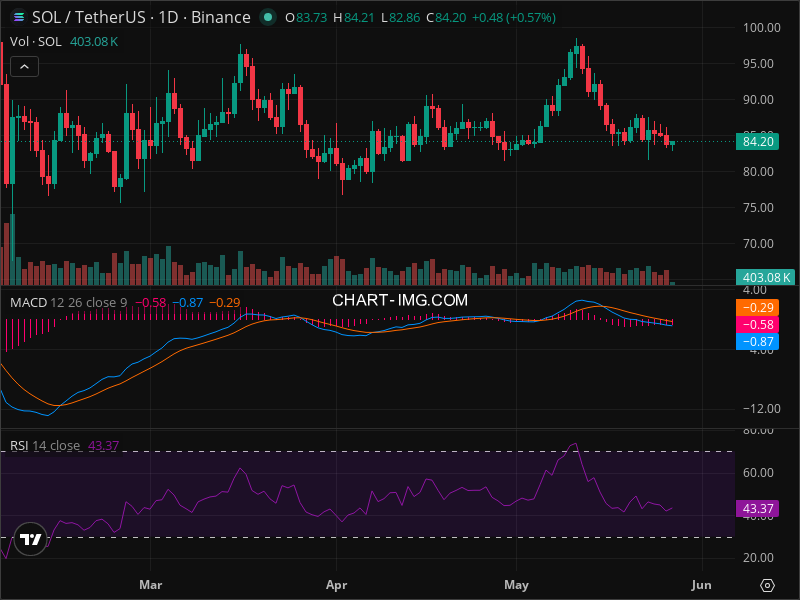
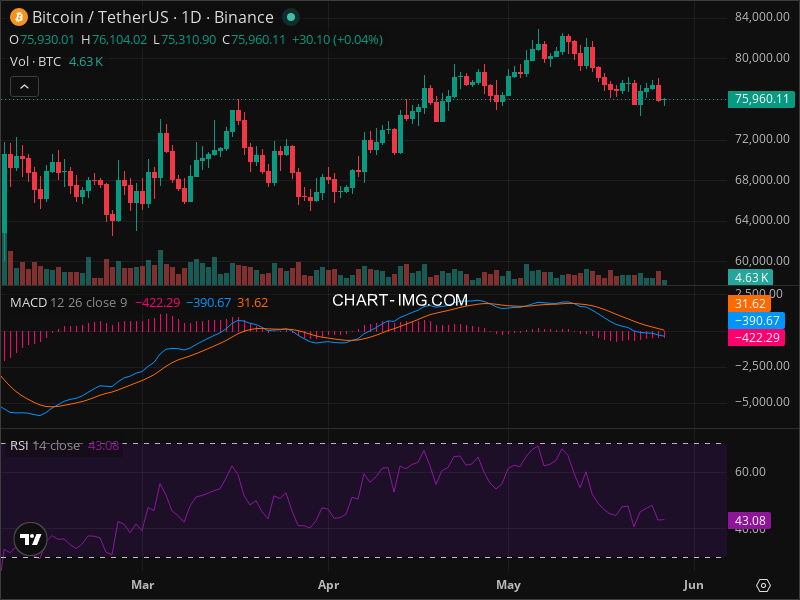
BTC Technical Analysis
May 27, 2026 | Joanna Newman

Soybeans Technical Analysis
May 27, 2026 | Joanna Newman
Live Cattle Technical Analysis
May 27, 2026 | Joanna Newman
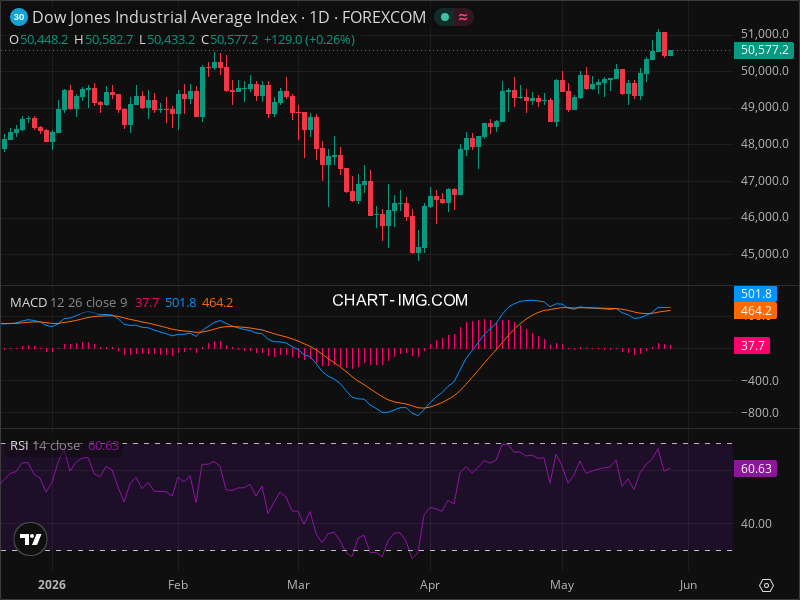
DJI Technical Analysis
May 27, 2026 | Joanna Newman
Tezos (XTZ) Review 2024: Everything You Need to Know Before Buying Tezos
.article-container { font-family: Arial, sans-serif; line-height: 1.6; color: #333; backgrou...
Chromia (CHR) Review 2024: Everything You Need to Know Before Buying Chromia
Illuvium (ILV) Review 2024: Everything You Need to Know Before Buying Illuvium
My Neighbor Alice (ALICE) Review 2024: Everything You Need to Know Before Buying My Neighbor Alice
Star Atlas (ATLAS) Review 2024: Everything You Need to Know Before Buying Star Atlas
TabTrade
What Is TabTrade? A Complete IntroductionTabTrade is a globally oriented multi-asset CFD and forex b...
Funded7
In the fast-moving world of proprietary trading, 2026 has marked a significant shift in what traders...
Bullwaves
Bullwaves Review 2026: A Premium MT5 Brokerage for Multi-Asset TradersBullwaves has quickly carved o...
BlackBull Markets
...
OQtima
Oqtima is an emerging online trading platform that offers a wide range of financial instruments, inc...
(adsbygoogle = window.adsbygoogle || []).push({}); Introduction In t...
(adsbygoogle = window.adsbygoogle || []).push({}); Einführung Wenn es um Er...
Mobi
Are you someone who makes international payments regularly using Bitcoin? Or do you travel a lot and...
Bitcoin.com
Bitcoin.com is a free downloadable Bitcoin wallet that allows users to trade and receive Bitcoins. T...
BTC.com
Created by Bitmain in 2016, BTC.com is a leading open-source Bitcoin and Bitcoin Cash storage platfo...
Cocoa Price Analysis: Why Inventories Are Driving an 8% Drop and What This Means for Investors
/* Modern SEO & AI-Optimized Article Styles */ /* Fonts loaded via link tags in head for b
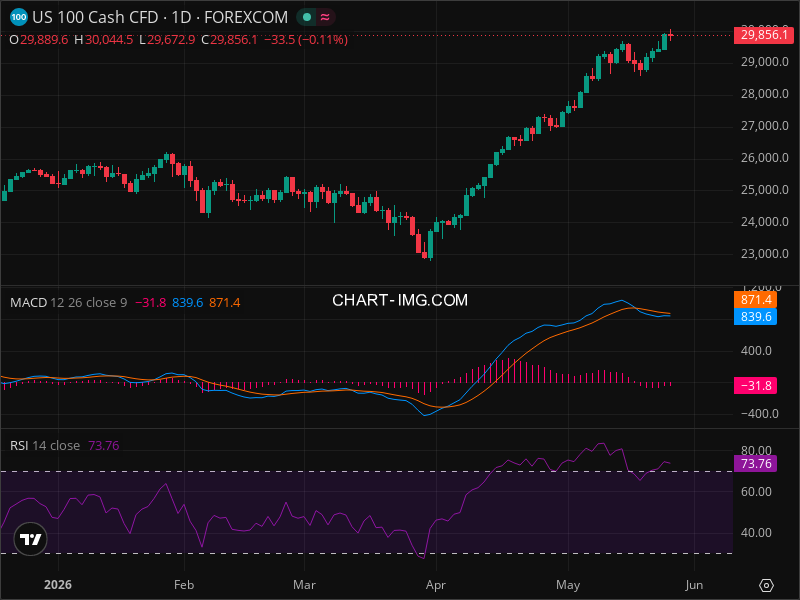
DJI at Critical Level: Why This Week Matters
DJI Chart | TradingView DJI at Critical Level: Why This Week Matters The marke
Why Owning a Crypto Wallet Could Be the Ultimate Power Move by 2026: EY’s Game-Changing Prediction
/* Modern SEO & AI-Optimized Article Styles */ /* Fonts loaded via link tags in head for b
Avalanche Surges 10% to $31 Potential—Is This Your Next Big Win?
/* Modern SEO & AI-Optimized Article Styles */ @import url('https://fonts.googleap
Gold Analysis: The Setup That Has Wall Street Buzzing
Gold Analysis: The Setup That Has Wall Street Buzzing Published: Tuesday, April 14, 2026 | Anal
The Top 10 Crypto Assets with the Highest Potential in 2025
.article-container { font-family: Arial, sans-serif; line-height: 1.6; color: #333; background-color
The Ultimate Bitcoin Review 2024: Everything You Need to Know Today
.article-container { font-family: Arial, sans-serif; line-height: 1.6; color: #333; background-colo
The Everyday Fruit that's a Powerhouse of Nutrition and Your Weight Loss Ally
(adsbygoogle = window.adsbygoogle || []).push({}); IntroductionWhen it comes to nutrition a
The oldest and most powerful remedy to permanently get rid of insects and ants
(adsbygoogle = window.adsbygoogle || []).push({}); IntroductionEach year, as the hot season
Two Beds, One Dream: The Growing Trend of Sleeping Apart for Better Rest
(adsbygoogle = window.adsbygoogle || []).push({}); IntroductionIn an era where quality slee
(adsbygoogle = window.adsbygoogle || []).push({}); Introduction In t...
(adsbygoogle = window.adsbygoogle || []).push({}); Einführung Wenn es um Er...
Mobi
Are you someone who makes international payments regularly using Bitcoin? Or do you travel a lot and...
Bitcoin.com
Bitcoin.com is a free downloadable Bitcoin wallet that allows users to trade and receive Bitcoins. T...
BTC.com
Created by Bitmain in 2016, BTC.com is a leading open-source Bitcoin and Bitcoin Cash storage platfo...


 Français
 Spanish
 Deutsch
 Português
 Türkçe
 Italiano
 العربية
 Русский
 Chinese
 Korean
 Japanese
 Vietnamese
 Hebrew
 Hindi
Hindi
 Greek
Greek
 Polish
 Thai
Thai
 Dutch
Dutch
 Malay
Malay




.png)
.png)
.png)
















COMMENTS (0)