Create a FREE account and...
Manage your own Watchlist
Access all education lessons
Converse with other crypto enthusiasts
Be a part of the Interactive Crypto Community
OR
Please fill out the required fields Please fill out the required fields Please fill out the required fields

As of February 23, 2026, the cryptocurrency market is caught in a storm of uncertainty, with investor sentiment plunging to historic lows as the Fear & Greed Index registers a chilling 5—indicating "Extreme Fear." This dramatic downturn, reflected in a total market capitalization drop to $2.30 trillion, is shaking the confidence of even the most seasoned investors. But amidst the chaos, could this pervasive fear be the very catalyst that sparks a rebound? For anyone with skin in the game—or considering jumping in—this moment is critical, as it could define the trajectory of digital assets for months to come. Whether you're a long-term holder or a curious observer, understanding these market dynamics is essential to navigating the risks and opportunities ahead.
This isn’t just another dip; it’s a pivotal moment for the crypto space. Bitcoin, the bellwether of the market, has slumped by 4.76% in the last 24 hours, while Ethereum and Solana have seen even steeper declines of 5.63% and 8.23%, respectively. What’s driving this panic, and more importantly, what does it mean for your portfolio? Let’s dive into the data, dissect the forces at play, and explore why some experts believe this extreme fear might just be the prelude to a significant shift. Curious about where Bitcoin could head next? Check the AI analysis for deeper insights into price trends.
The cryptocurrency market is in the throes of a brutal correction as of February 2026. According to CoinGecko data, the total market cap has contracted to $2.30 trillion, a stark decline from recent highs, with 24-hour trading volume sitting at $74.03 billion. Bitcoin, maintaining a dominant 56.27% share of the market, is trading at $64,735 after a 4.76% drop in the past day. Ethereum, with a 9.77% market share, isn’t faring much better, down 5.63% to $1,862.02.
Other major players like Solana and Cardano are also feeling the heat, with Solana plummeting 8.23% to $77.97 and Cardano shedding 6.49% to $0.260147. These declines aren’t isolated incidents—they reflect a broader wave of risk aversion sweeping through the market. The Fear & Greed Index, a widely followed sentiment gauge from Alternative.me, underscores this panic with its reading of 5, a level that historically signals capitulation.
What’s fueling this downturn? A combination of macroeconomic pressures and regulatory uncertainty is weighing heavily on investor confidence. Rising inflation concerns and anticipated interest rate hikes from central banks are pushing capital away from speculative assets like cryptocurrencies. Meanwhile, whispers of stricter regulations in key markets like the U.S. and EU are adding to the unease. For a data-driven perspective on where Bitcoin might be headed, See AI price prediction to inform your next move.
For investors, the current market environment is a double-edged sword. On one hand, the pervasive fear and steep price drops could present buying opportunities for those with a long-term outlook. Historically, extreme fear readings on the Fear & Greed Index have often preceded significant rebounds, as panic selling exhausts itself and bargain hunters step in.
On the other hand, the risks are palpable. Further declines are possible if macroeconomic conditions worsen or if regulatory crackdowns materialize. For retail investors, the key is to avoid emotional decisions—don’t let fear drive you to sell at a loss, but don’t blindly “buy the dip” without a strategy. Diversifying into stablecoins like Tether (USDT) or USD Coin (USDC) could provide a safe harbor during this volatility.
Institutional investors, meanwhile, may see this as a stress test for their crypto allocations. Companies like MicroStrategy, which have heavily invested in Bitcoin under CEO Michael Saylor’s guidance, might face scrutiny if prices continue to slide. For actionable insights, consider Getting AI-powered insights to navigate these choppy waters with confidence.
To fully grasp the current market turmoil, we need to zoom out and look at the broader economic landscape. Global inflation concerns have been mounting throughout 2025 and into 2026, with central banks like the Federal Reserve signaling tighter monetary policies. Higher interest rates typically dampen enthusiasm for riskier assets, and cryptocurrencies—often viewed as speculative—bear the brunt of this shift. According to Bloomberg reports, institutional capital has been flowing out of crypto funds at an accelerated pace in recent weeks.
Adding fuel to the fire are regulatory developments that have spooked the market. In the United States, the Securities and Exchange Commission (SEC) is reportedly drafting stricter rules for crypto exchanges, focusing on transparency and anti-fraud measures. Across the Atlantic, the European Union’s Digital Finance Package aims to create a comprehensive framework for digital assets, but the uncertainty around implementation timelines is keeping investors on edge.

NASDAQ:COIN Daily Stock Chart
Sentiment plays an outsized role in crypto markets, and right now, fear is the dominant emotion. Social media platforms and forums are buzzing with anxious chatter, with many retail investors expressing doubts about the short-term viability of their holdings. This psychological feedback loop—where fear begets selling, which begets more fear—can exacerbate downturns. Yet, it’s often in these moments of capitulation that contrarian opportunities emerge for those willing to look beyond the noise.
Industry leaders and analysts are weighing in on the current state of affairs with a mix of caution and guarded optimism. According to a recent statement from Cathie Wood, CEO of ARK Invest, the current downturn is a “healthy correction” that could weed out weaker projects and set the stage for stronger growth in blockchain technology. Her firm remains bullish on Bitcoin’s long-term potential as a store of value.
On the flip side, some analysts are less sanguine. A report from JPMorgan, as cited by Bloomberg, warns that regulatory pressures could “significantly hamper” crypto adoption if not managed carefully. The report highlights the risk of stifling innovation through overly restrictive policies—a concern echoed by many in the DeFi space.
The impact on the industry is already visible. Smaller altcoin projects with weaker fundamentals are seeing outsized losses, while established players like Bitcoin and Ethereum maintain relative stability in terms of market dominance. For a deeper dive into Ethereum’s potential trajectory, View AI signals for ETH to stay ahead of the curve.
For investors, the financial implications of this downturn are significant. Portfolio values are shrinking, and margin calls are becoming a harsh reality for over-leveraged traders. The immediate priority should be risk management—reassess your exposure, set stop-loss orders, and consider reallocating to less volatile assets. Stablecoins, for instance, offer a way to preserve capital without exiting the crypto ecosystem entirely.
Yet, there are silver linings for the astute investor. Oversold conditions, as indicated by technical metrics, suggest that some assets may be undervalued. Bitcoin, for example, could be approaching a price floor if historical patterns hold. Ethereum, despite its recent drop, remains a cornerstone of decentralized finance (DeFi), with ongoing upgrades like Ethereum 2.0 potentially driving future growth.
Looking beyond the immediate turmoil, this could be a time to build positions in fundamentally strong projects. Focus on cryptocurrencies with real-world utility—think Bitcoin as digital gold or Ethereum as the backbone of smart contracts. For those exploring altcoins, due diligence is non-negotiable; stick to projects with transparent teams and proven use cases. To refine your strategy, Get AI analysis for Bitcoin and make data-driven decisions.
Let’s break down the technical picture to understand where the market might be headed. Bitcoin’s Relative Strength Index (RSI) is currently hovering at 30, a level that often indicates oversold conditions and potential for a reversal. The Moving Average Convergence Divergence (MACD) line, however, shows a bearish crossover, suggesting that downward momentum hasn’t fully dissipated.
Trading volume has spiked during this downturn, a sign of panic selling but also a potential indicator of capitulation. If volume begins to taper off while prices stabilize, it could signal that the worst is over. Ethereum mirrors Bitcoin’s technical setup, with an RSI of 28 and similar bearish MACD trends.
Here’s a snapshot of key metrics for major cryptocurrencies:
| Cryptocurrency | Current Price | 24-Hour Change | RSI |
|---|---|---|---|
| Bitcoin (BTC) | $64,735 | -4.76% | 30 |
| Ethereum (ETH) | $1,862.02 | -5.63% | 28 |
| Solana (SOL) | $77.97 | -8.23% | 25 |
These indicators suggest a market teetering on the edge of a potential reversal, though confirmation is needed. For a more detailed breakdown, Check AI fair value estimate for Bitcoin and other major coins.
Looking ahead, the crypto market faces a crossroads. In the short term, continued volatility seems likely as macroeconomic and regulatory pressures persist. A bearish scenario, with a 70% probability based on current indicators, could see Bitcoin testing lower support levels around $60,000 if selling pressure doesn’t abate.
However, there’s a 30% chance of a bullish turnaround, particularly if technological adoption accelerates or if regulatory clarity emerges sooner than expected. Long-term, the fundamentals of blockchain technology remain strong—think decentralized finance, NFTs, and cross-border payments. Analysts at firms like ARK Invest predict Bitcoin could still reach $100,000 by the end of the decade if institutional adoption continues.
The key variable is sentiment. If fear gives way to greed, as it often does after extreme lows, we could see a rapid recovery. For a forward-looking perspective, See what the AI predicts for Bitcoin’s price trajectory.
The downturn is driven by a mix of macroeconomic factors like inflation fears and potential interest rate hikes, alongside regulatory uncertainty in major markets like the U.S. and EU. These pressures are pushing investors away from riskier assets like cryptocurrencies.
It depends on your risk tolerance and investment horizon. Technical indicators suggest oversold conditions, which could signal a buying opportunity, but further declines are possible if negative catalysts emerge. Always conduct thorough research or consult tools to Get professional AI analysis before making decisions.
A reading of 5 indicates "Extreme Fear," suggesting widespread panic and risk aversion among investors. Historically, such low readings have often preceded market reversals as selling pressure exhausts itself.
Consider diversifying into stablecoins like USDT or USDC to preserve capital. Additionally, setting stop-loss orders and reducing leverage can help manage downside risk.
While stricter regulations could dampen short-term enthusiasm, they’re unlikely to “kill” the market. Many experts believe clear rules could ultimately foster greater institutional adoption by reducing uncertainty.
Long-term, the outlook remains positive due to the growing utility of blockchain technology in finance, supply chains, and beyond. Bitcoin and Ethereum, in particular, are seen as foundational assets with enduring value.
Follow reputable sources like CoinGecko for real-time data and Bloomberg for in-depth analysis. Additionally, leveraging advanced tools can provide an edge—try Getting AI-powered insights for the latest signals and predictions.
ALL
TRENDING
WATCHLIST
Total Market Cap The Total Market Capitalization (Market Cap) is an indicator that measures the size of all the cryptocurrencies.It’s the total market value of all the cryptocurrencies' circulating supply: so it’s the total value of all the coins that have been mined.
{[{ marketcap }]} {[{ marketcapchange.toLocaleString(undefined, {maximumFractionDigits:2}) }]}% (24H) {[{ marketcapchange.toLocaleString(undefined, {maximumFractionDigits:2}) }]}% (24H)
Symbol
Price Cryptocurrency prices are volatile, and the prices change all the time. We are collecting all the data from several exchanges to provide the most accurate price available.
24H Cryptocurrency prices are volatile… The 24h % change is the difference between the current price and the price24 hours ago.
Trade
{[{ item.name }]}
{[{ index + $index}]}
{[{ item.pair.split('_')[0] }]}
Ƀ{[{item.price.toLocaleString(undefined, {maximumFractionDigits: 5}) }]} ${[{item.price.toLocaleString(undefined, {maximumFractionDigits: 5}) }]}
{[{ item.change24.toLocaleString(undefined, {maximumFractionDigits: 2}) }]}%
{[{ item.change24.toLocaleString(undefined, {maximumFractionDigits: 2}) }]}%
Symbol
Price Cryptocurrency prices are volatile, and the prices change all the time. We are collecting allthe data fromseveral exchanges to provide the most accurate price available.
24H Cryptocurrency prices are volatile… The 24h % change is the difference between the current priceand the price24 hours ago.
Trade
{[{ item.name }]}
{[{ index + $index}]}
{[{ item.pair.split('_')[0] }]}
Ƀ{[{item.price.toLocaleString(undefined, {maximumFractionDigits: 5}) }]} ${[{item.price.toLocaleString(undefined, {maximumFractionDigits: 5}) }]}
{[{ item.change24.toLocaleString(undefined, {maximumFractionDigits: 2}) }]}%
{[{ item.change24.toLocaleString(undefined, {maximumFractionDigits: 2}) }]}%

BTC Technical Analysis
May 27, 2026 | Joanna Newman

Soybeans Technical Analysis
May 27, 2026 | Joanna Newman
Live Cattle Technical Analysis
May 27, 2026 | Joanna Newman
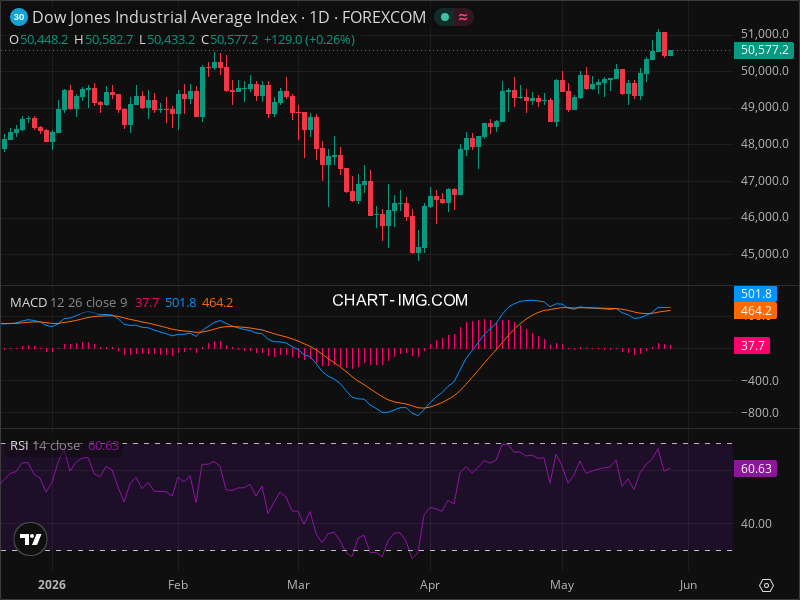
DJI Technical Analysis
May 27, 2026 | Joanna Newman
Tezos (XTZ) Review 2024: Everything You Need to Know Before Buying Tezos
.article-container { font-family: Arial, sans-serif; line-height: 1.6; color: #333; backgrou...
Chromia (CHR) Review 2024: Everything You Need to Know Before Buying Chromia
Illuvium (ILV) Review 2024: Everything You Need to Know Before Buying Illuvium
My Neighbor Alice (ALICE) Review 2024: Everything You Need to Know Before Buying My Neighbor Alice
Star Atlas (ATLAS) Review 2024: Everything You Need to Know Before Buying Star Atlas
TabTrade
What Is TabTrade? A Complete IntroductionTabTrade is a globally oriented multi-asset CFD and forex b...
Funded7
In the fast-moving world of proprietary trading, 2026 has marked a significant shift in what traders...
Bullwaves
Bullwaves Review 2026: A Premium MT5 Brokerage for Multi-Asset TradersBullwaves has quickly carved o...
BlackBull Markets
...
OQtima
Oqtima is an emerging online trading platform that offers a wide range of financial instruments, inc...
(adsbygoogle = window.adsbygoogle || []).push({}); Introduction In t...
(adsbygoogle = window.adsbygoogle || []).push({}); Einführung Wenn es um Er...
Mobi
Are you someone who makes international payments regularly using Bitcoin? Or do you travel a lot and...
Bitcoin.com
Bitcoin.com is a free downloadable Bitcoin wallet that allows users to trade and receive Bitcoins. T...
BTC.com
Created by Bitmain in 2016, BTC.com is a leading open-source Bitcoin and Bitcoin Cash storage platfo...
Bitcoin Price Analysis: Why Extreme Fear Could Signal a Turning Point for Crypto Markets
/* Modern SEO & AI-Optimized Article Styles */ /* Fonts loaded via link tags in head for b
Ethereum Price Prediction: Could ETH Be Headed for a $4K Breakthrough?
.article-container { font-family: Arial, sans-serif; line-height: 1.6; color: #333; background-color
Crypto Market Update: Why Extreme Fear Could Be the $2.38 Trillion Opportunity Everyone’s Missing
/* Modern SEO & AI-Optimized Article Styles */ /* Fonts loaded via link tags in head for b
Turkey's BRICS Ambition: How China’s Support Could Transform Crypto Markets
/* Modern SEO & AI-Optimized Article Styles */ /* Fonts loaded via link tags in head for b
Top Cryptocurrency Investment Mistakes and How to Avoid Them in 2024
.article-container { font-family: Arial, sans-serif; line-height: 1.6; color: #333; background-col
The Top 10 Crypto Assets with the Highest Potential in 2025
.article-container { font-family: Arial, sans-serif; line-height: 1.6; color: #333; background-color
The Ultimate Bitcoin Review 2024: Everything You Need to Know Today
.article-container { font-family: Arial, sans-serif; line-height: 1.6; color: #333; background-colo
The Everyday Fruit that's a Powerhouse of Nutrition and Your Weight Loss Ally
(adsbygoogle = window.adsbygoogle || []).push({}); IntroductionWhen it comes to nutrition a
The oldest and most powerful remedy to permanently get rid of insects and ants
(adsbygoogle = window.adsbygoogle || []).push({}); IntroductionEach year, as the hot season
Two Beds, One Dream: The Growing Trend of Sleeping Apart for Better Rest
(adsbygoogle = window.adsbygoogle || []).push({}); IntroductionIn an era where quality slee
(adsbygoogle = window.adsbygoogle || []).push({}); Introduction In t...
(adsbygoogle = window.adsbygoogle || []).push({}); Einführung Wenn es um Er...
Mobi
Are you someone who makes international payments regularly using Bitcoin? Or do you travel a lot and...
Bitcoin.com
Bitcoin.com is a free downloadable Bitcoin wallet that allows users to trade and receive Bitcoins. T...
BTC.com
Created by Bitmain in 2016, BTC.com is a leading open-source Bitcoin and Bitcoin Cash storage platfo...


 Français
 Spanish
 Deutsch
 Português
 Türkçe
 Italiano
 العربية
 Русский
 Chinese
 Korean
 Japanese
 Vietnamese
 Hebrew
 Hindi
Hindi
 Greek
Greek
 Polish
 Thai
Thai
 Dutch
Dutch
 Malay
Malay




.png)
.png)
.png)
















COMMENTS (0)