Create a FREE account and...
Manage your own Watchlist
Access all education lessons
Converse with other crypto enthusiasts
Be a part of the Interactive Crypto Community
OR
Please fill out the required fields Please fill out the required fields Please fill out the required fields

As of April 16, 2026, the cryptocurrency market is gripped by uncertainty, with the Fear & Greed Index plunging to a chilling 23, a level classified as "Extreme Fear." Yet, amidst this wave of pessimism, Bitcoin (BTC) is trading at $75,054, showing a modest 1.37% gain over the past 24 hours, while the total crypto market cap hovers at an impressive $2.62 trillion. This paradox—fearful sentiment juxtaposed with subtle price resilience—raises a tantalizing question: could this be the moment savvy investors have been waiting for? For anyone with a stake in digital assets, or even those on the sidelines, understanding this dynamic could mean the difference between missing out and seizing a historic opportunity. In this deep dive, we’ll unpack the data, explore expert insights, and reveal what this could mean for the future of your portfolio.
The cryptocurrency market is a battlefield of emotions right now. With a 24-hour trading volume of $102.56 billion, as reported by CoinGecko, there’s no shortage of activity—both retail and institutional players are still in the game. Bitcoin remains the undisputed heavyweight, commanding a market dominance of 57.28% at its current price of $75,054. Ethereum (ETH), priced at $2,355.79, isn’t far behind with a 10.84% slice of the pie and a 1.42% uptick in the last day.
But it’s not just the big names showing signs of life. Altcoins like Polkadot (DOT) and Cardano (ADA) are stealing the spotlight with gains of 4.52% and 3.95%, respectively. These numbers, though small, hint at selective investor confidence in projects with strong fundamentals. Could this be the early whisper of a broader recovery? For a clearer picture, check the AI analysis to see what data-driven insights reveal about these trends.
Let’s cut to the chase: "Extreme Fear" often acts as a contrarian signal in crypto markets. Historically, when sentiment hits rock bottom, prices tend to follow suit—only to rebound sharply as fear gives way to greed. According to data from Alternative.me, which tracks the Fear & Greed Index, previous lows around 20-25 have frequently preceded significant rallies. For investors, this could mean a rare window to accumulate assets at discounted prices.
However, caution is key. While the current upticks in Bitcoin and Ethereum are encouraging, macroeconomic headwinds like inflation fears and interest rate hikes could keep volatility high. The smart move? Focus on long-term value and diversify across projects with solid use cases. Curious about where Bitcoin stands in this cycle? Get AI analysis for Bitcoin to uncover potential buy or hold signals.
To understand why "Extreme Fear" might be a buy signal, we need to unpack the psychology driving it. The Fear & Greed Index, a widely followed metric, aggregates factors like market volatility, social media sentiment, and trading volume to gauge investor mood. At a score of 23, the market is essentially screaming panic—a state where many sell off assets out of emotion rather than logic.
History offers valuable lessons here. During the March 2020 crash, triggered by the COVID-19 pandemic, the index dropped to similar levels, and Bitcoin fell below $5,000. Yet, those who bought during that fear-driven dip saw returns of over 1,000% as BTC soared past $60,000 by late 2021, according to CoinMarketCap data. Similar patterns emerged in late 2018, when Bitcoin bottomed out near $3,200 before embarking on a multi-year bull run.
Today’s fear isn’t baseless. Persistent inflation, geopolitical tensions, and regulatory uncertainty—especially in the U.S., where the SEC continues to scrutinize exchanges—cast long shadows. Yet, beneath the surface, institutional interest remains robust, with firms like BlackRock and Fidelity expanding their crypto offerings, as noted in recent Bloomberg reports. This tug-of-war between fear and fundamentals is what makes the current moment so intriguing.
Industry leaders are weighing in on this dichotomy. MicroStrategy CEO Michael Saylor, a vocal Bitcoin advocate, recently tweeted that “fear is temporary, Bitcoin is forever,” suggesting that current sentiment is a fleeting obstacle for long-term believers. Meanwhile, analysts at JPMorgan have pointed out in a recent note that Bitcoin’s current price remains above key support levels, hinting at potential stability.
NASDAQ:COIN Stock Chart - TradingView
The broader industry impact is equally telling. Projects like Polkadot, with its focus on interoperability, and Cardano, known for its research-driven approach, are gaining traction despite the gloom. According to a CoinDesk analysis, these altcoins are attracting developers and investors betting on the next wave of blockchain innovation. For a deeper look at their potential, view AI signals for Polkadot and see what the data suggests.
From a financial perspective, the "Extreme Fear" environment is a double-edged sword. On one hand, discounted prices across the board—Bitcoin included—offer a chance to build positions at lower costs. On the other, the risk of further downside looms large if global economic conditions worsen.
For those willing to navigate this uncertainty, a few strategies stand out. Dollar-cost averaging (DCA) can mitigate the impact of volatility by spreading investments over time. Additionally, focusing on assets with strong fundamentals—like Ethereum, which continues to dominate DeFi and NFT ecosystems—could yield outsized returns if sentiment shifts. Diversifying into promising altcoins like Ripple (XRP), up 3.45% recently due to its cross-border payment solutions, is another avenue worth exploring.
Looking beyond short-term noise, the long-term case for crypto remains compelling. With global adoption rates climbing—Chainalysis reports a 37% increase in crypto transactions in emerging markets over the past year—the sector’s growth trajectory appears intact. For a data-driven perspective on where prices might head, see AI price prediction for key assets like Bitcoin and Ethereum.
Let’s get into the numbers. Bitcoin’s Relative Strength Index (RSI) currently sits at 42, indicating neither overbought nor oversold conditions, based on TradingView data. Its 50-day moving average, however, is trending just below the 200-day average—a bearish signal known as a "death cross" that could suggest further downside unless reversed.
Ethereum tells a slightly different story. Its RSI is at 45, and recent price action shows support around $2,300, a level that has held firm in prior corrections. Meanwhile, Polkadot’s breakout above $1.20 with a 4.52% gain could signal bullish momentum if volume sustains.
Here’s a snapshot of key metrics for major cryptocurrencies:
| Cryptocurrency | Current Price | 24H Change | RSI |
|---|---|---|---|
| Bitcoin (BTC) | $75,054 | +1.37% | 42 |
| Ethereum (ETH) | $2,355.79 | +1.42% | 45 |
| Polkadot (DOT) | $1.22 | +4.52% | 48 |
For a more detailed breakdown of technical indicators, get AI-powered insights to guide your next move.
What does the future hold? Analysts are split. On the bullish side, firms like Fundstrat predict Bitcoin could reach $150,000 by 2027 if institutional adoption accelerates, as reported by Forbes. Their reasoning hinges on Bitcoin’s halving cycles and growing acceptance as a store of value.
Bearish voices, however, caution against over-optimism. Goldman Sachs analysts recently warned that regulatory crackdowns and economic slowdowns could cap crypto’s upside in the near term. A balanced view might consider both scenarios: a potential rally if sentiment shifts, tempered by the risk of external shocks.
On-chain data adds another layer. Bitcoin’s network hash rate remains near all-time highs, signaling miner confidence, per Blockchain.com metrics. Ethereum’s staking activity post-merge also suggests long-term holder commitment. Want to see where the numbers point? Check AI fair value estimate for a data-backed perspective.
The Fear & Greed Index is a sentiment indicator that measures the emotional state of the crypto market using factors like volatility, volume, and social media trends. A score below 25, labeled "Extreme Fear," often signals panic selling, which can create buying opportunities for contrarian investors. It matters because historical data shows that market bottoms frequently align with such low readings.
While no one can predict the market with certainty, periods of "Extreme Fear" have historically preceded significant recoveries. Bitcoin’s current price of $75,054 and modest gains suggest resilience, but risks remain due to macroeconomic factors. Always conduct your own research and consider tools like AI signals for Bitcoin to inform your decisions.
Altcoins often see higher percentage gains during early recovery phases due to their smaller market caps and speculative appeal. Polkadot’s focus on interoperability and Cardano’s robust development framework have attracted renewed interest, driving gains of 4.52% and 3.95%, respectively. These projects may offer higher risk-reward ratios compared to Bitcoin.
Crypto markets are increasingly correlated with traditional financial markets. Rising interest rates, inflation, and geopolitical instability can dampen risk appetite, pushing prices down. Conversely, economic stimulus or positive policy shifts can fuel rallies, as seen in prior cycles.
Bitcoin dominance, currently at 57.28%, reflects its share of the total crypto market cap. When dominance rises, it often signals a flight to safety, with investors favoring Bitcoin over riskier altcoins. A declining dominance can indicate an "altseason," where smaller coins outperform.
Diversification, dollar-cost averaging, and setting stop-loss orders are key strategies. Focus on projects with strong fundamentals, and avoid over-leveraging. Staying informed with data-driven tools, such as professional AI analysis, can also help manage risk.
ALL
TRENDING
WATCHLIST
Total Market Cap The Total Market Capitalization (Market Cap) is an indicator that measures the size of all the cryptocurrencies.It’s the total market value of all the cryptocurrencies' circulating supply: so it’s the total value of all the coins that have been mined.
{[{ marketcap }]} {[{ marketcapchange.toLocaleString(undefined, {maximumFractionDigits:2}) }]}% (24H) {[{ marketcapchange.toLocaleString(undefined, {maximumFractionDigits:2}) }]}% (24H)
Symbol
Price Cryptocurrency prices are volatile, and the prices change all the time. We are collecting all the data from several exchanges to provide the most accurate price available.
24H Cryptocurrency prices are volatile… The 24h % change is the difference between the current price and the price24 hours ago.
Trade
{[{ item.name }]}
{[{ index + $index}]}
{[{ item.pair.split('_')[0] }]}
Ƀ{[{item.price.toLocaleString(undefined, {maximumFractionDigits: 5}) }]} ${[{item.price.toLocaleString(undefined, {maximumFractionDigits: 5}) }]}
{[{ item.change24.toLocaleString(undefined, {maximumFractionDigits: 2}) }]}%
{[{ item.change24.toLocaleString(undefined, {maximumFractionDigits: 2}) }]}%
Symbol
Price Cryptocurrency prices are volatile, and the prices change all the time. We are collecting allthe data fromseveral exchanges to provide the most accurate price available.
24H Cryptocurrency prices are volatile… The 24h % change is the difference between the current priceand the price24 hours ago.
Trade
{[{ item.name }]}
{[{ index + $index}]}
{[{ item.pair.split('_')[0] }]}
Ƀ{[{item.price.toLocaleString(undefined, {maximumFractionDigits: 5}) }]} ${[{item.price.toLocaleString(undefined, {maximumFractionDigits: 5}) }]}
{[{ item.change24.toLocaleString(undefined, {maximumFractionDigits: 2}) }]}%
{[{ item.change24.toLocaleString(undefined, {maximumFractionDigits: 2}) }]}%

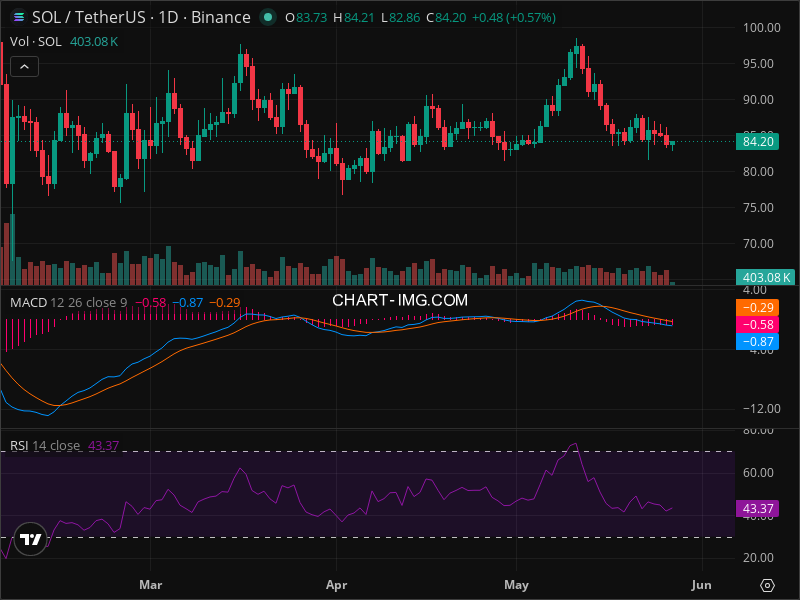
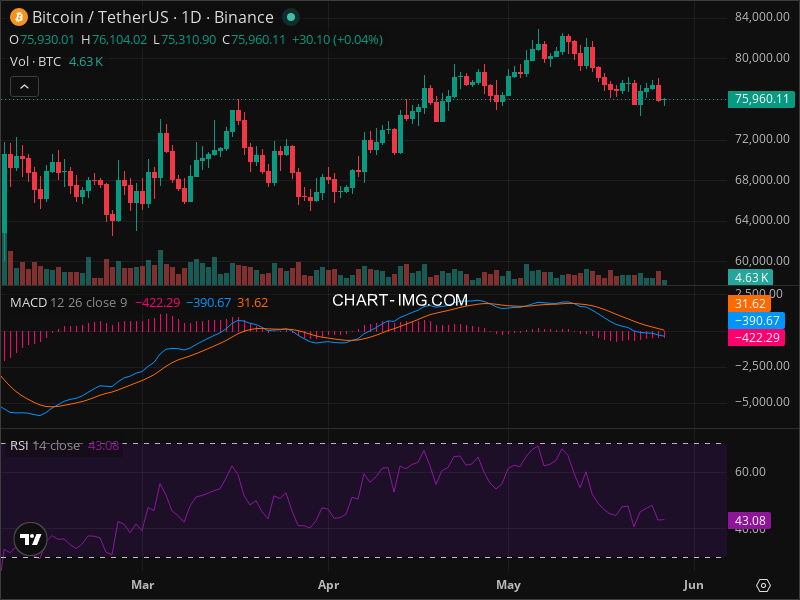
BTC Technical Analysis
May 27, 2026 | Joanna Newman

Soybeans Technical Analysis
May 27, 2026 | Joanna Newman
Live Cattle Technical Analysis
May 27, 2026 | Joanna Newman
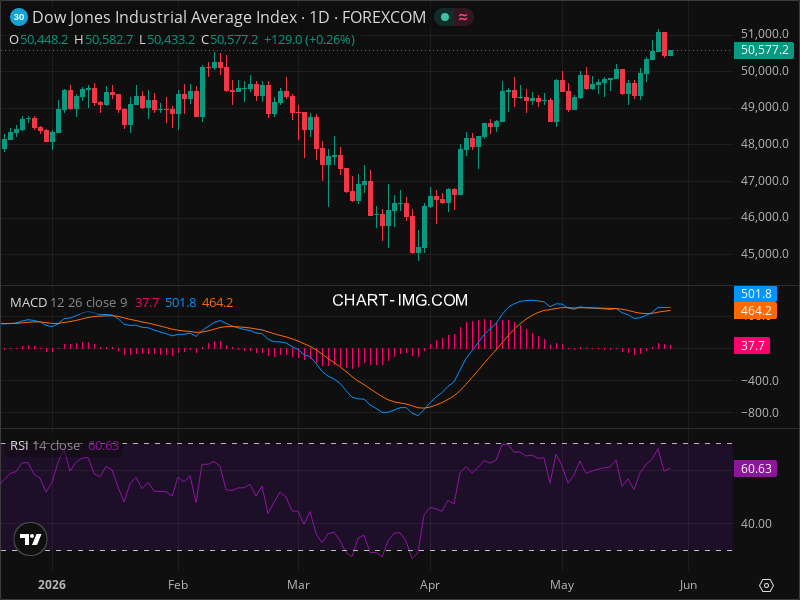
DJI Technical Analysis
May 27, 2026 | Joanna Newman
Tezos (XTZ) Review 2024: Everything You Need to Know Before Buying Tezos
.article-container { font-family: Arial, sans-serif; line-height: 1.6; color: #333; backgrou...
Chromia (CHR) Review 2024: Everything You Need to Know Before Buying Chromia
Illuvium (ILV) Review 2024: Everything You Need to Know Before Buying Illuvium
My Neighbor Alice (ALICE) Review 2024: Everything You Need to Know Before Buying My Neighbor Alice
Star Atlas (ATLAS) Review 2024: Everything You Need to Know Before Buying Star Atlas
TabTrade
What Is TabTrade? A Complete IntroductionTabTrade is a globally oriented multi-asset CFD and forex b...
Funded7
In the fast-moving world of proprietary trading, 2026 has marked a significant shift in what traders...
Bullwaves
Bullwaves Review 2026: A Premium MT5 Brokerage for Multi-Asset TradersBullwaves has quickly carved o...
BlackBull Markets
...
OQtima
Oqtima is an emerging online trading platform that offers a wide range of financial instruments, inc...
(adsbygoogle = window.adsbygoogle || []).push({}); Introduction In t...
(adsbygoogle = window.adsbygoogle || []).push({}); Einführung Wenn es um Er...
Mobi
Are you someone who makes international payments regularly using Bitcoin? Or do you travel a lot and...
Bitcoin.com
Bitcoin.com is a free downloadable Bitcoin wallet that allows users to trade and receive Bitcoins. T...
BTC.com
Created by Bitmain in 2016, BTC.com is a leading open-source Bitcoin and Bitcoin Cash storage platfo...
Bitcoin Price Analysis: Why "Extreme Fear" Could Signal a Massive Buying Opportunity
/* Modern SEO & AI-Optimized Article Styles */ /* Fonts loaded via link tags in head for b
Cotton Closes Mixed on Friday
/* Modern SEO & AI-Optimized Article Styles */ /* Fonts loaded via link tags in head for b
Monero Surges Amid Crypto Chaos: Why This Privacy Coin Could Be Your Safe Haven
/* Modern SEO & AI-Optimized Article Styles */ /* Fonts loaded via link tags in head for b
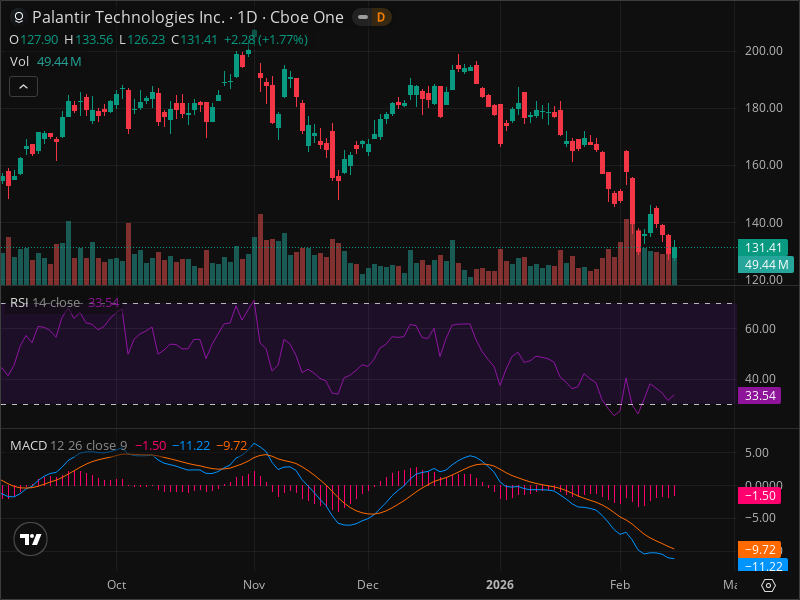
PLTR Warning: Key Support Level Being Tested Right Now
PLTR Chart | TradingView PLTR Warning: Key Support Level Being Tested Right Now
Bitcoin and Ethereum Surge: Why Smart Money Is Betting Big Despite Market Fear
/* Modern SEO & AI-Optimized Article Styles */ /* Fonts loaded via link tags in head for b
The Top 10 Crypto Assets with the Highest Potential in 2025
.article-container { font-family: Arial, sans-serif; line-height: 1.6; color: #333; background-color
The Ultimate Bitcoin Review 2024: Everything You Need to Know Today
.article-container { font-family: Arial, sans-serif; line-height: 1.6; color: #333; background-colo
The Everyday Fruit that's a Powerhouse of Nutrition and Your Weight Loss Ally
(adsbygoogle = window.adsbygoogle || []).push({}); IntroductionWhen it comes to nutrition a
The oldest and most powerful remedy to permanently get rid of insects and ants
(adsbygoogle = window.adsbygoogle || []).push({}); IntroductionEach year, as the hot season
Two Beds, One Dream: The Growing Trend of Sleeping Apart for Better Rest
(adsbygoogle = window.adsbygoogle || []).push({}); IntroductionIn an era where quality slee
(adsbygoogle = window.adsbygoogle || []).push({}); Introduction In t...
(adsbygoogle = window.adsbygoogle || []).push({}); Einführung Wenn es um Er...
Mobi
Are you someone who makes international payments regularly using Bitcoin? Or do you travel a lot and...
Bitcoin.com
Bitcoin.com is a free downloadable Bitcoin wallet that allows users to trade and receive Bitcoins. T...
BTC.com
Created by Bitmain in 2016, BTC.com is a leading open-source Bitcoin and Bitcoin Cash storage platfo...


 Français
 Spanish
 Deutsch
 Português
 Türkçe
 Italiano
 العربية
 Русский
 Chinese
 Korean
 Japanese
 Vietnamese
 Hebrew
 Hindi
Hindi
 Greek
Greek
 Polish
 Thai
Thai
 Dutch
Dutch
 Malay
Malay




.png)
.png)
.png)
















COMMENTS (0)