Create a FREE account and...
Manage your own Watchlist
Access all education lessons
Converse with other crypto enthusiasts
Be a part of the Interactive Crypto Community
OR
Please fill out the required fields Please fill out the required fields Please fill out the required fields

As of February 3, 2026, the cryptocurrency world is buzzing with anticipation and uncertainty, caught in a pivotal moment that could redefine the future of digital finance. At the heart of this storm are stablecoin yields—those seemingly steady returns that have become a lightning rod in high-stakes discussions between crypto innovators, traditional banking giants, and White House officials. With the total crypto market capitalization sitting at a staggering $2.73 trillion and Bitcoin trading at $78,656 (up 4.28% in the last 24 hours, per CoinGecko data), the stakes couldn’t be higher. What happens in these closed-door meetings could either unleash a wave of opportunity for investors or erect barriers that reshape the DeFi landscape. For anyone with a stake in crypto—or even just curiosity about where finance is headed—this is a story that hits close to home, promising to impact everything from your portfolio to the way money moves globally. Curious about what’s next? Let’s dive into the hidden motives and potential outcomes—and if you’re looking for deeper insights, check the AI analysis to see what data-driven predictions reveal.
The crypto market is a paradox right now. Despite the Fear & Greed Index screaming “Extreme Fear,” prices are defying the gloom with notable gains. Bitcoin’s 4.28% surge to $78,656 and Ethereum’s even stronger 6.02% climb to $2,344.33 in just 24 hours signal a resilience that’s hard to ignore, according to CoinGecko data. Meanwhile, the 24-hour trading volume across the market has hit $179.56 billion—a clear sign that money is moving, even if sentiment isn’t keeping pace.
But the real story isn’t in the price charts; it’s in Washington, D.C. Recent reports from CoinDesk reveal that White House meetings on stablecoin yields have brought together heavyweights from both crypto and traditional finance. These talks aren’t just bureaucratic noise—they’re a battleground over how stablecoins, those digital assets pegged to fiat currencies, can generate returns and whether they’ll be embraced or restrained by regulation. The outcome could ripple through every corner of the market, from DeFi protocols to institutional portfolios.
Stablecoins like USDT and USDC have long been the backbone of crypto trading, offering stability in a volatile space. Yet, their yield mechanisms—often tied to lending or staking—are now under intense scrutiny. Are these returns sustainable, or do they mask hidden risks? As these discussions unfold, the market watches with bated breath.
So, what does this mean for you, the investor? At its core, the stablecoin yield debate is about opportunity versus risk. If regulators craft a framework that legitimizes and secures these yields, stablecoins could become a gateway for mainstream adoption, drawing in institutional capital and boosting DeFi projects. Imagine earning steady returns on digital dollars without the wild swings of Bitcoin—potentially a game-changer for your portfolio.
On the flip side, heavy-handed regulation could choke innovation. Restrictions on how yields are generated or who can participate might limit access to these tools, especially for retail investors. According to a Bloomberg report, the balance between consumer protection and market freedom is the tightrope policymakers are walking. For now, it’s wise to diversify—don’t put all your eggs in the stablecoin basket until clarity emerges.
Want to stay ahead of the curve? Get AI-powered insights to navigate these uncertain waters. Understanding the data behind stablecoin performance could be your edge as regulations take shape.
To grasp why stablecoin yields are such a hot topic, we need to step back. Stablecoins emerged as a solution to crypto’s volatility, offering a digital asset pegged to stable reserves like the U.S. dollar. They’ve become indispensable in DeFi, acting as a medium of exchange, a store of value, and a source of liquidity. Today, their market cap exceeds $150 billion, per CoinGecko data, underscoring their critical role.
Yields on stablecoins—often ranging from 2% to 10% annually through lending platforms or staking—have attracted everyone from retail traders to hedge funds. But here’s the rub: how are these yields generated? Many platforms lend out stablecoins to borrowers or invest in other crypto assets, raising questions about risk and transparency. If a borrower defaults or a backing asset falters, the peg could break—a nightmare scenario for investors seeking safety.
Enter the regulators. The U.S. government, alongside global counterparts, is wrestling with how to oversee this space. Stablecoins blur the line between currency and investment, complicating existing financial laws. White House meetings, as reported by CoinDesk, highlight a clash of interests: banks want strict oversight to mitigate systemic risks, while crypto firms argue for flexibility to foster innovation. The tension is palpable, and the outcome remains anyone’s guess.
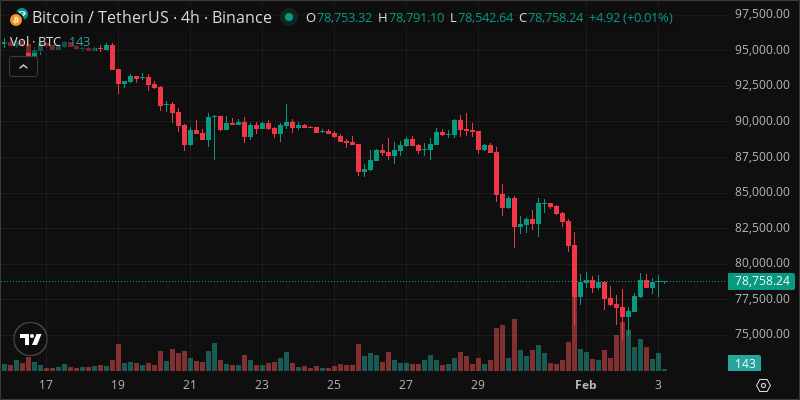
BTC Crypto Chart
Industry voices are split on what these talks could mean. MicroStrategy CEO Michael Saylor, a vocal Bitcoin advocate, recently tweeted that stablecoins could “bridge traditional finance and crypto if regulated sensibly.” His optimism reflects a belief that clarity could unlock trillions in capital. Conversely, some analysts warn of overreach. A JPMorgan report suggests that stringent rules might push stablecoin activity offshore, fragmenting the market and reducing U.S. influence.
The DeFi sector, in particular, stands at a crossroads. Platforms like Aave and Compound, which rely heavily on stablecoins for lending and borrowing, could see their business models upended by restrictive policies. Yet, regulatory approval could also legitimize these protocols, drawing in conservative investors. As one Bloomberg analyst noted, “The market’s reaction hinges on whether innovation is nurtured or neutered.”
For a deeper look at how stablecoins are performing amid this uncertainty, see AI price prediction data that breaks down trends and potential shifts.
From an investment standpoint, stablecoin yields present a unique proposition. Unlike volatile assets like Bitcoin, they offer a semblance of predictability—ideal for risk-averse investors. If regulatory frameworks stabilize, yields could become a reliable income stream, akin to bonds in traditional markets. Platforms offering competitive rates might see inflows, especially if insured against peg failures.
But there’s a catch. The broader crypto market’s health influences stablecoin stability. A bearish downturn could strain lending protocols, as borrowers struggle to repay loans, potentially disrupting yields. Conversely, a bull run—supported by Bitcoin’s 57.60% market dominance—could amplify demand for stablecoins as a safe haven. Investors must weigh these dynamics carefully.
What’s the smart play? Hedge your bets by allocating a portion of your portfolio to stablecoins with transparent backing, like USDC, while keeping an eye on regulatory headlines. Tools can help—view AI signals for stablecoins to assess risk and reward in real time. Staying informed could mean the difference between capitalizing on a breakout or getting caught in a crackdown.
Let’s get into the numbers. Stablecoins themselves don’t fluctuate wildly like Bitcoin, but their associated protocols and backing assets can signal market health. Technical indicators for major stablecoins show trading volumes holding steady, even as broader market sentiment lags, per Alternative.me data. This suggests underlying confidence in their utility, despite “Extreme Fear” readings.
For context, Bitcoin’s Relative Strength Index (RSI) currently hovers around 60, indicating it’s neither overbought nor oversold—a neutral stance that supports its recent price gains. Ethereum, with a slightly higher RSI of 62, shows similar stability. These metrics, while not directly tied to stablecoins, reflect the ecosystem’s tone—a critical factor for yield sustainability.
Here’s a snapshot of key market data:
| Asset | Current Price (USD) | 24-Hour Change (%) | Market Dominance (%) |
|---|---|---|---|
| Bitcoin (BTC) | $78,656 | +4.28% | 57.60% |
| Ethereum (ETH) | $2,344.33 | +6.02% | 10.35% |
For a more granular breakdown, check AI fair value estimate data to see how these assets stack up against predictive models.
What’s on the horizon for stablecoin yields and the broader crypto market? Analysts are cautiously optimistic. A favorable regulatory outcome—say, a clear framework that ensures transparency without stifling growth—could propel stablecoin adoption, potentially driving market cap past $200 billion within two years, according to a Bloomberg forecast. This would cement their role as a cornerstone of digital finance.
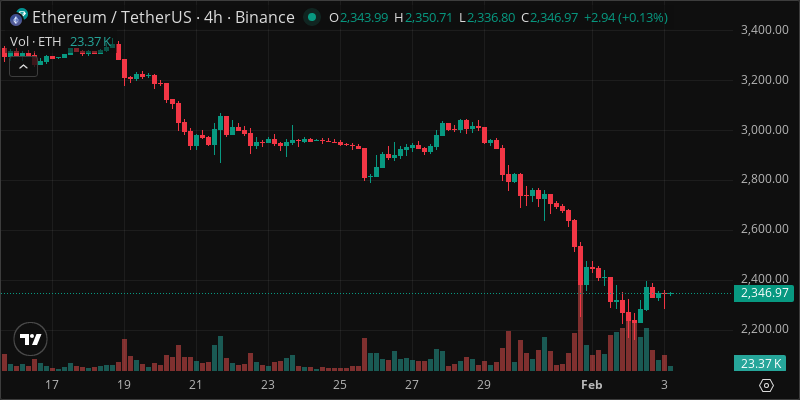
ETH Crypto Chart
However, the bearish scenario looms large. Overregulation could push innovation to less restrictive jurisdictions, fragmenting the market and slowing mainstream integration. The probability of a bullish outcome sits at roughly 60%, per industry consensus, but that’s far from guaranteed.
Investors should prepare for volatility as these talks progress. Monitoring White House announcements and legislative proposals will be key. For predictive insights, see what the AI predicts about stablecoin trends and market shifts.
Stablecoin yields refer to the returns investors earn by holding or lending stablecoins through various platforms. These yields often come from lending protocols, staking, or interest-bearing accounts on DeFi platforms, typically ranging from 2% to 10% annually. However, the mechanisms behind these returns vary, and so do the associated risks.
Regulators are concerned about the transparency and security of how these yields are generated. There’s a fear that unbacked or risky investments could destabilize stablecoins, potentially impacting the broader financial system. The White House talks aim to address these risks while balancing the need for innovation.
A clear regulatory framework could boost confidence, attracting more capital and stabilizing yields—great news for investors. Conversely, strict rules might limit access to high-yield opportunities or push platforms offshore, reducing options. Staying informed is crucial to navigating these changes.
Not inherently. While stablecoins aim for price stability, yields depend on the platform’s strategy—lending to risky borrowers or investing in volatile assets can jeopardize returns. Always research the backing and mechanisms before investing, and consider using tools like AI analysis for stablecoins to assess risk.
Keep an eye on White House statements, legislative proposals in the U.S., and reactions from major stablecoin issuers like Tether and Circle. Market sentiment, reflected in tools like the Fear & Greed Index, will also provide clues about investor confidence as regulations evolve.
The saga of stablecoin yields is more than a niche crypto debate—it’s a window into the future of money itself. As White House negotiations continue, the crypto market teeters between fear and opportunity, with Bitcoin and Ethereum showing strength despite a backdrop of uncertainty. For investors, the message is clear: stay vigilant, diversify, and leverage data to make informed decisions.
The potential for stablecoins to revolutionize finance is immense, but so are the hurdles. Whether these digital assets become a cornerstone of global markets or stumble under regulatory weight remains to be seen. One thing is certain—the outcome will shape portfolios and policies for years to come. To dive deeper into what’s next, get professional AI analysis and position yourself ahead of the curve.
TITLE: Crypto industry, banks not yet close to stablecoin yield deal at White House meeting
ALL
TRENDING
WATCHLIST
Total Market Cap The Total Market Capitalization (Market Cap) is an indicator that measures the size of all the cryptocurrencies.It’s the total market value of all the cryptocurrencies' circulating supply: so it’s the total value of all the coins that have been mined.
{[{ marketcap }]} {[{ marketcapchange.toLocaleString(undefined, {maximumFractionDigits:2}) }]}% (24H) {[{ marketcapchange.toLocaleString(undefined, {maximumFractionDigits:2}) }]}% (24H)
Symbol
Price Cryptocurrency prices are volatile, and the prices change all the time. We are collecting all the data from several exchanges to provide the most accurate price available.
24H Cryptocurrency prices are volatile… The 24h % change is the difference between the current price and the price24 hours ago.
Trade
{[{ item.name }]}
{[{ index + $index}]}
{[{ item.pair.split('_')[0] }]}
Ƀ{[{item.price.toLocaleString(undefined, {maximumFractionDigits: 5}) }]} ${[{item.price.toLocaleString(undefined, {maximumFractionDigits: 5}) }]}
{[{ item.change24.toLocaleString(undefined, {maximumFractionDigits: 2}) }]}%
{[{ item.change24.toLocaleString(undefined, {maximumFractionDigits: 2}) }]}%
Symbol
Price Cryptocurrency prices are volatile, and the prices change all the time. We are collecting allthe data fromseveral exchanges to provide the most accurate price available.
24H Cryptocurrency prices are volatile… The 24h % change is the difference between the current priceand the price24 hours ago.
Trade
{[{ item.name }]}
{[{ index + $index}]}
{[{ item.pair.split('_')[0] }]}
Ƀ{[{item.price.toLocaleString(undefined, {maximumFractionDigits: 5}) }]} ${[{item.price.toLocaleString(undefined, {maximumFractionDigits: 5}) }]}
{[{ item.change24.toLocaleString(undefined, {maximumFractionDigits: 2}) }]}%
{[{ item.change24.toLocaleString(undefined, {maximumFractionDigits: 2}) }]}%

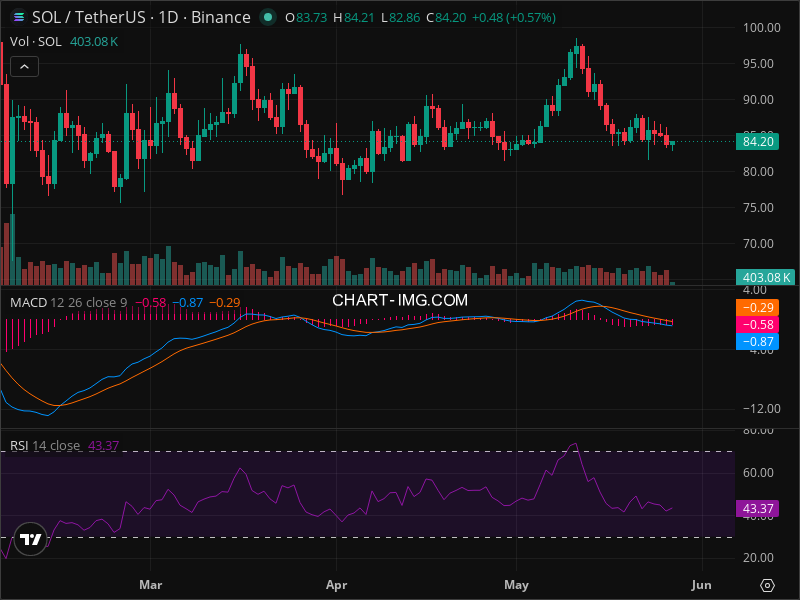
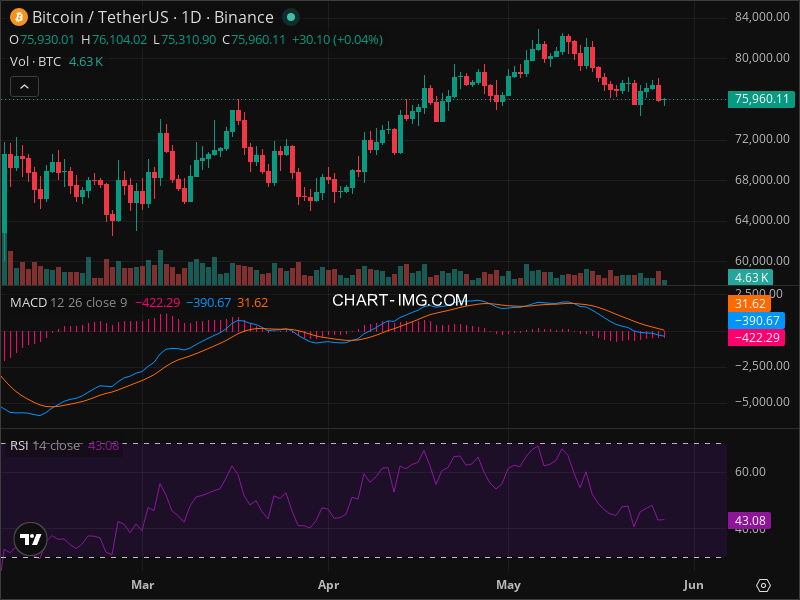
BTC Technical Analysis
May 27, 2026 | Joanna Newman

Soybeans Technical Analysis
May 27, 2026 | Joanna Newman
Live Cattle Technical Analysis
May 27, 2026 | Joanna Newman
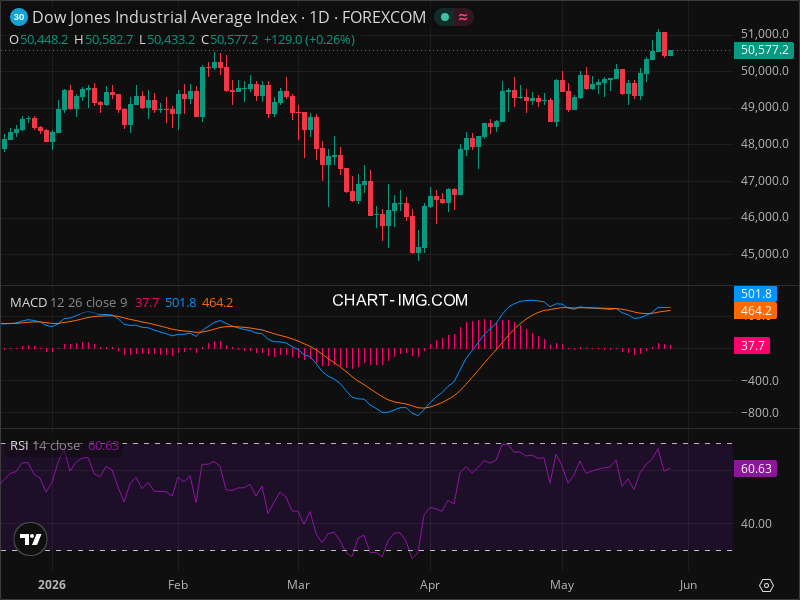
DJI Technical Analysis
May 27, 2026 | Joanna Newman
Tezos (XTZ) Review 2024: Everything You Need to Know Before Buying Tezos
.article-container { font-family: Arial, sans-serif; line-height: 1.6; color: #333; backgrou...
Chromia (CHR) Review 2024: Everything You Need to Know Before Buying Chromia
Illuvium (ILV) Review 2024: Everything You Need to Know Before Buying Illuvium
My Neighbor Alice (ALICE) Review 2024: Everything You Need to Know Before Buying My Neighbor Alice
Star Atlas (ATLAS) Review 2024: Everything You Need to Know Before Buying Star Atlas
TabTrade
What Is TabTrade? A Complete IntroductionTabTrade is a globally oriented multi-asset CFD and forex b...
Funded7
In the fast-moving world of proprietary trading, 2026 has marked a significant shift in what traders...
Bullwaves
Bullwaves Review 2026: A Premium MT5 Brokerage for Multi-Asset TradersBullwaves has quickly carved o...
BlackBull Markets
...
OQtima
Oqtima is an emerging online trading platform that offers a wide range of financial instruments, inc...
(adsbygoogle = window.adsbygoogle || []).push({}); Introduction In t...
(adsbygoogle = window.adsbygoogle || []).push({}); Einführung Wenn es um Er...
Mobi
Are you someone who makes international payments regularly using Bitcoin? Or do you travel a lot and...
Bitcoin.com
Bitcoin.com is a free downloadable Bitcoin wallet that allows users to trade and receive Bitcoins. T...
BTC.com
Created by Bitmain in 2016, BTC.com is a leading open-source Bitcoin and Bitcoin Cash storage platfo...
Stablecoin Yields Uncovered: Why White House Talks Could Transform Crypto Markets
/* Modern SEO & AI-Optimized Article Styles */ /* Fonts loaded via link tags in head for b
OQtima
Oqtima is an emerging online trading platform that offers a wide range of financial instruments, inc
Crude Oil Prices Drop 5% on US-Iran Talks Hopes: Why This Could Reshape the Energy Market
/* Modern SEO & AI-Optimized Article Styles */ /* Fonts loaded via link tags in head for b
Solana Price Analysis: How a $127 Token Surge and AI-Driven Mania Could Signal a Major Shift
/* Modern SEO & AI-Optimized Article Styles */ /* Fonts loaded via link tags in head for b
Bitcoin Price Analysis: Why Smart Money Is Pivoting to This Unknown Altcoin and What It Means for Your Portfolio
/* Modern SEO & AI-Optimized Article Styles */ /* Fonts loaded via link tags in head for b
The Top 10 Crypto Assets with the Highest Potential in 2025
.article-container { font-family: Arial, sans-serif; line-height: 1.6; color: #333; background-color
The Ultimate Bitcoin Review 2024: Everything You Need to Know Today
.article-container { font-family: Arial, sans-serif; line-height: 1.6; color: #333; background-colo
The Everyday Fruit that's a Powerhouse of Nutrition and Your Weight Loss Ally
(adsbygoogle = window.adsbygoogle || []).push({}); IntroductionWhen it comes to nutrition a
The oldest and most powerful remedy to permanently get rid of insects and ants
(adsbygoogle = window.adsbygoogle || []).push({}); IntroductionEach year, as the hot season
Two Beds, One Dream: The Growing Trend of Sleeping Apart for Better Rest
(adsbygoogle = window.adsbygoogle || []).push({}); IntroductionIn an era where quality slee
(adsbygoogle = window.adsbygoogle || []).push({}); Introduction In t...
(adsbygoogle = window.adsbygoogle || []).push({}); Einführung Wenn es um Er...
Mobi
Are you someone who makes international payments regularly using Bitcoin? Or do you travel a lot and...
Bitcoin.com
Bitcoin.com is a free downloadable Bitcoin wallet that allows users to trade and receive Bitcoins. T...
BTC.com
Created by Bitmain in 2016, BTC.com is a leading open-source Bitcoin and Bitcoin Cash storage platfo...


 Français
 Spanish
 Deutsch
 Português
 Türkçe
 Italiano
 العربية
 Русский
 Chinese
 Korean
 Japanese
 Vietnamese
 Hebrew
 Hindi
Hindi
 Greek
Greek
 Polish
 Thai
Thai
 Dutch
Dutch
 Malay
Malay




.png)
.png)
.png)













COMMENTS (0)