Create a FREE account and...
Manage your own Watchlist
Access all education lessons
Converse with other crypto enthusiasts
Be a part of the Interactive Crypto Community
OR
Please fill out the required fields Please fill out the required fields Please fill out the required fields

As of February 18, 2026, the cryptocurrency market is caught in a storm of uncertainty, with the Fear & Greed Index plunging to a chilling 8, signaling "Extreme Fear" among investors. This dramatic sentiment, paired with a market capitalization still standing strong at $2.40 trillion and a 24-hour trading volume of $94.83 billion, paints a complex picture of resilience amid panic. Bitcoin, holding a commanding 56.16% market dominance, trades at $67,529, yet even this titan isn’t immune to a 1.96% dip in the last day. For investors—whether seasoned or just dipping their toes into crypto—this moment raises critical questions: Is this fear a precursor to a deeper crash, or could it be the quiet before a historic rebound? Stick with us as we unpack the data, expert insights, and what this could mean for your portfolio. Curious about what the numbers predict? Check the AI analysis for a deeper dive into Bitcoin’s next moves.
The crypto market today is a battlefield of emotions and economics. Despite the "Extreme Fear" gripping investors, the numbers tell a story of surprising stability. Bitcoin’s price, though down nearly 2% in 24 hours to $67,529, still anchors a market where trading volume remains robust at nearly $95 billion, according to CoinGecko data. Ethereum, the second heavyweight at $1,993.71, shows a milder decline of 0.17%, while its ecosystem continues to hum with activity.
What’s driving this fear? Recent weeks have seen a cocktail of negative headlines—rumors of tighter U.S. regulations, macroeconomic pressures from rising interest rates, and lingering concerns over energy-intensive mining practices. Yet, amidst the gloom, there are glimmers of defiance. Altcoins like Dogecoin (up 0.28%) and Monero (up 1.12%) are bucking the trend with modest gains, hinting that not all hope is lost.
This isn’t a full-blown panic sell-off, though. Trading volumes suggest investors are holding their ground, perhaps waiting for clearer signals. Could this be a consolidation phase rather than a collapse? The data leans toward the former, but the market’s next move hinges on external catalysts.
If you’re an investor, the current "Extreme Fear" sentiment might feel like a punch to the gut—but it’s not necessarily time to hit the panic button. Historically, such low readings on the Fear & Greed Index have often preceded significant buying opportunities. When fear peaks, prices can bottom out, setting the stage for recovery. Could this be one of those moments?
For Bitcoin holders, the 1.96% dip might sting, but its long-term value as a hedge against inflation—bolstered by a fixed supply of 21 million coins—remains intact. Ethereum investors, meanwhile, should note the network’s ongoing upgrades, which could drive future gains despite the current $1,993.71 price stagnation. Want to see where these coins might head next? Get AI-powered insights on potential price targets.
The key takeaway? Don’t let fear dictate your decisions. Diversify across assets, keep an eye on regulatory news, and consider dollar-cost averaging to mitigate risk during these choppy waters. This market is volatile, but it’s also full of potential for those who play it smart.
To grasp why the market is shivering with "Extreme Fear," we need to look beyond price charts. The Fear & Greed Index, which measures sentiment through volatility, social media buzz, and other metrics, reflects a collective anxiety fueled by uncertainty. Rising interest rates globally are tightening liquidity, making risky assets like crypto less appealing to some institutional players. Add to that the specter of regulation—particularly in the U.S., where the SEC continues to scrutinize projects like Ripple—and you’ve got a recipe for unease.
Beyond crypto-specific issues, broader economic forces are at work. Inflation remains a persistent concern, with central banks hiking rates to cool overheated economies. This environment often pushes investors toward safer assets like bonds, leaving speculative markets like crypto vulnerable. Yet, Bitcoin’s narrative as "digital gold" persists, especially among those who see it as a hedge against currency devaluation.
Here’s a bit of perspective: the crypto market has been here before. During the 2018 bear market, fear indices hit similar lows, only for Bitcoin to rally spectacularly in the years that followed. In 2021, after a brutal mid-year crash, extreme fear again signaled a bottom before prices soared. History doesn’t repeat, but it often rhymes—could we be on the cusp of a similar turnaround?

NASDAQ:META Daily Stock Chart
Industry voices are split on what this fear means for crypto’s future. “Markets like these test investor resolve, but they also create opportunities for those with conviction,” said MicroStrategy CEO Michael Saylor, a well-known Bitcoin bull, in a recent interview with Bloomberg. His firm continues to hold billions in Bitcoin, signaling unshaken faith despite the downturn.
On the flip side, some analysts warn of further pain. A recent JPMorgan report suggests that if regulatory headwinds intensify, Bitcoin could test lower support levels around $60,000. “The uncertainty around policy is a bigger threat than price volatility right now,” noted a senior strategist from the firm, as quoted by Reuters.
For the broader industry, this sentiment is a double-edged sword. While fear dampens retail enthusiasm, it’s also spurring innovation—projects are racing to prove their utility to survive the shakeout. Ethereum’s ecosystem, for instance, continues to see robust growth in decentralized finance (DeFi) and non-fungible tokens (NFTs), even as prices lag. Could this be the moment where fundamentals separate winners from losers?
Let’s talk dollars and cents. The immediate risk for investors is a deeper correction if fear turns into capitulation. Bitcoin’s current price of $67,529 sits above key support at $65,000, but a break below could trigger more selling, per CoinMarketCap data. Ethereum, meanwhile, faces resistance at $2,000—a psychological barrier that’s proving tough to crack.
Yet, for those with a longer horizon, this fear could be a gift. Bitcoin’s halving cycles historically drive price surges, and with the next event slated for 2028, accumulation now might pay off big. Ethereum’s deflationary mechanics, post its Proof-of-Stake transition, could also tighten supply over time, potentially lifting prices. Curious about fair value estimates? See AI fair value estimate for both coins.
Don’t sleep on altcoins, either. Dogecoin’s community-driven momentum and Monero’s privacy focus are drawing niche interest, even in this fearful climate. Diversifying into fundamentally strong projects—those with real-world use cases—could balance the risk of holding only Bitcoin or Ethereum. The opportunity lies in spotting undervalued gems before the market sentiment flips.
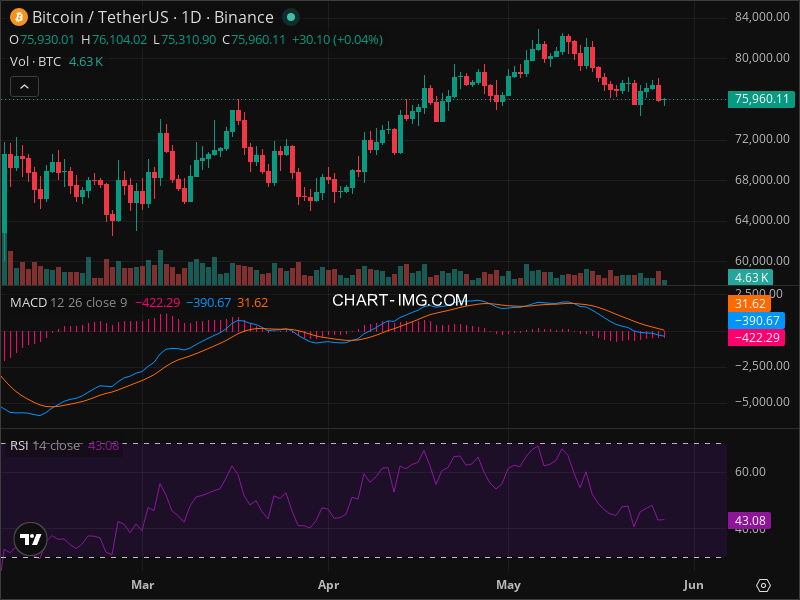
For the data-driven investor, technical indicators offer a window into where prices might head next. Bitcoin’s Relative Strength Index (RSI) currently sits at 42, suggesting it’s neither overbought nor oversold—just hovering in cautious territory, per TradingView data. Its 50-day moving average, around $68,000, acts as near-term resistance—if it breaks above, bullish momentum could build.
Ethereum’s chart shows a tighter range, with support at $1,950 and resistance at $2,000. Its MACD (Moving Average Convergence Divergence) line is flirting with a bullish crossover, hinting at potential upside if volume picks up. These metrics aren’t crystal balls, but they provide clues in a market clouded by emotion.
Here’s a snapshot of key data points for major cryptocurrencies:
| Cryptocurrency | Current Price (USD) | 24-Hour Change (%) | Market Dominance (%) |
|---|---|---|---|
| Bitcoin | $67,529 | -1.96% | 56.16% |
| Ethereum | $1,993.71 | -0.17% | 10.01% |
| Dogecoin | $0.101 | +0.28% | -- |
| Monero | $158.32 | +1.12% | -- |
Want a deeper breakdown of these indicators? View AI signals for Bitcoin and see what the algorithms suggest.

NASDAQ:COIN Daily Stock Chart
Looking ahead, there’s a compelling case for optimism. If institutional adoption continues—think more firms like MicroStrategy stacking Bitcoin—prices could push past $75,000 within six months, according to some analyst projections from Bloomberg. Ethereum, benefiting from its deflationary tokenomics post-Proof-of-Stake, might climb above $2,500 if DeFi adoption accelerates. The fear today could be the fuel for tomorrow’s rally.
But caution is warranted. A bearish scenario looms if regulatory crackdowns intensify—Bitcoin could slide below $60,000, dragging the market with it. Ethereum, too, faces risks if network congestion persists, potentially capping gains at under $1,800. Global policy moves, like China’s ongoing crypto bans or the EU’s MiCA framework, will be critical to watch.
The reality likely lies in the middle. A consolidation phase, where prices stabilize before trending upward, seems plausible given current data. Investors should brace for volatility but position themselves for upside if fundamentals hold. Not sure which way the wind will blow? See what the AI predicts for a data-driven forecast.
"Extreme Fear" on the Fear & Greed Index indicates widespread pessimism among investors, often driven by price drops, negative news, or uncertainty. A reading of 8, as seen now, suggests many are hesitant to buy, which can lead to oversold conditions. Historically, such lows have preceded recoveries, but there’s no guarantee.
Selling during extreme fear often means locking in losses at a low point. If you believe in the long-term potential of Bitcoin or Ethereum, holding or even buying more during dips (via dollar-cost averaging) might be wiser. Always assess your risk tolerance and financial goals before deciding.
Altcoins like Dogecoin or Monero can be riskier than Bitcoin or Ethereum due to lower liquidity and higher volatility. However, some show resilience—Dogecoin’s recent 0.28% gain, for instance. Research each project’s fundamentals before investing, and never overexpose your portfolio to speculative assets.
Diversification is key—spread investments across major coins, altcoins, and even non-crypto assets. Set stop-loss orders to limit downside risk, and avoid emotional trading driven by fear or hype. Staying informed on market trends and regulatory news can also help you anticipate shifts.
Platforms like CoinGecko and CoinMarketCap offer real-time price data, market cap stats, and dominance metrics. For technical analysis, tools like TradingView provide detailed charts and indicators. Additionally, for predictive insights, get professional AI analysis to guide your strategy.
While stringent regulations could dampen short-term enthusiasm, they might also bring legitimacy and attract institutional money in the long run. The SEC’s actions and global frameworks like MiCA are shaping the landscape. It’s a hurdle, not a death knell—crypto’s decentralized nature makes it hard to fully suppress.
ALL
TRENDING
WATCHLIST
Total Market Cap The Total Market Capitalization (Market Cap) is an indicator that measures the size of all the cryptocurrencies.It’s the total market value of all the cryptocurrencies' circulating supply: so it’s the total value of all the coins that have been mined.
{[{ marketcap }]} {[{ marketcapchange.toLocaleString(undefined, {maximumFractionDigits:2}) }]}% (24H) {[{ marketcapchange.toLocaleString(undefined, {maximumFractionDigits:2}) }]}% (24H)
Symbol
Price Cryptocurrency prices are volatile, and the prices change all the time. We are collecting all the data from several exchanges to provide the most accurate price available.
24H Cryptocurrency prices are volatile… The 24h % change is the difference between the current price and the price24 hours ago.
Trade
{[{ item.name }]}
{[{ index + $index}]}
{[{ item.pair.split('_')[0] }]}
Ƀ{[{item.price.toLocaleString(undefined, {maximumFractionDigits: 5}) }]} ${[{item.price.toLocaleString(undefined, {maximumFractionDigits: 5}) }]}
{[{ item.change24.toLocaleString(undefined, {maximumFractionDigits: 2}) }]}%
{[{ item.change24.toLocaleString(undefined, {maximumFractionDigits: 2}) }]}%
Symbol
Price Cryptocurrency prices are volatile, and the prices change all the time. We are collecting allthe data fromseveral exchanges to provide the most accurate price available.
24H Cryptocurrency prices are volatile… The 24h % change is the difference between the current priceand the price24 hours ago.
Trade
{[{ item.name }]}
{[{ index + $index}]}
{[{ item.pair.split('_')[0] }]}
Ƀ{[{item.price.toLocaleString(undefined, {maximumFractionDigits: 5}) }]} ${[{item.price.toLocaleString(undefined, {maximumFractionDigits: 5}) }]}
{[{ item.change24.toLocaleString(undefined, {maximumFractionDigits: 2}) }]}%
{[{ item.change24.toLocaleString(undefined, {maximumFractionDigits: 2}) }]}%

BTC Technical Analysis
May 27, 2026 | Joanna Newman

Soybeans Technical Analysis
May 27, 2026 | Joanna Newman
Live Cattle Technical Analysis
May 27, 2026 | Joanna Newman
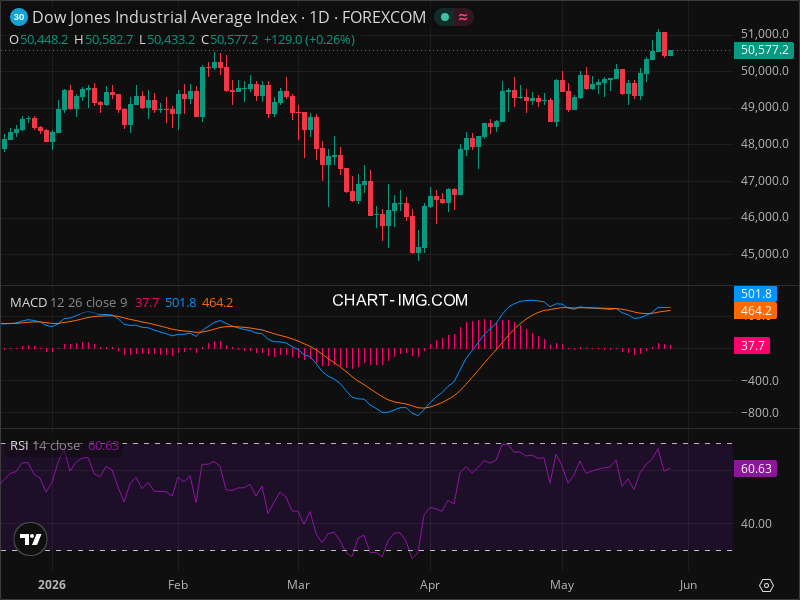
DJI Technical Analysis
May 27, 2026 | Joanna Newman
Tezos (XTZ) Review 2024: Everything You Need to Know Before Buying Tezos
.article-container { font-family: Arial, sans-serif; line-height: 1.6; color: #333; backgrou...
Chromia (CHR) Review 2024: Everything You Need to Know Before Buying Chromia
Illuvium (ILV) Review 2024: Everything You Need to Know Before Buying Illuvium
My Neighbor Alice (ALICE) Review 2024: Everything You Need to Know Before Buying My Neighbor Alice
Star Atlas (ATLAS) Review 2024: Everything You Need to Know Before Buying Star Atlas
TabTrade
What Is TabTrade? A Complete IntroductionTabTrade is a globally oriented multi-asset CFD and forex b...
Funded7
In the fast-moving world of proprietary trading, 2026 has marked a significant shift in what traders...
Bullwaves
Bullwaves Review 2026: A Premium MT5 Brokerage for Multi-Asset TradersBullwaves has quickly carved o...
BlackBull Markets
...
OQtima
Oqtima is an emerging online trading platform that offers a wide range of financial instruments, inc...
(adsbygoogle = window.adsbygoogle || []).push({}); Introduction In t...
(adsbygoogle = window.adsbygoogle || []).push({}); Einführung Wenn es um Er...
Mobi
Are you someone who makes international payments regularly using Bitcoin? Or do you travel a lot and...
Bitcoin.com
Bitcoin.com is a free downloadable Bitcoin wallet that allows users to trade and receive Bitcoins. T...
BTC.com
Created by Bitmain in 2016, BTC.com is a leading open-source Bitcoin and Bitcoin Cash storage platfo...
Bitcoin Price Analysis: Why Extreme Fear Could Signal a Major Market Shift
/* Modern SEO & AI-Optimized Article Styles */ /* Fonts loaded via link tags in head for b
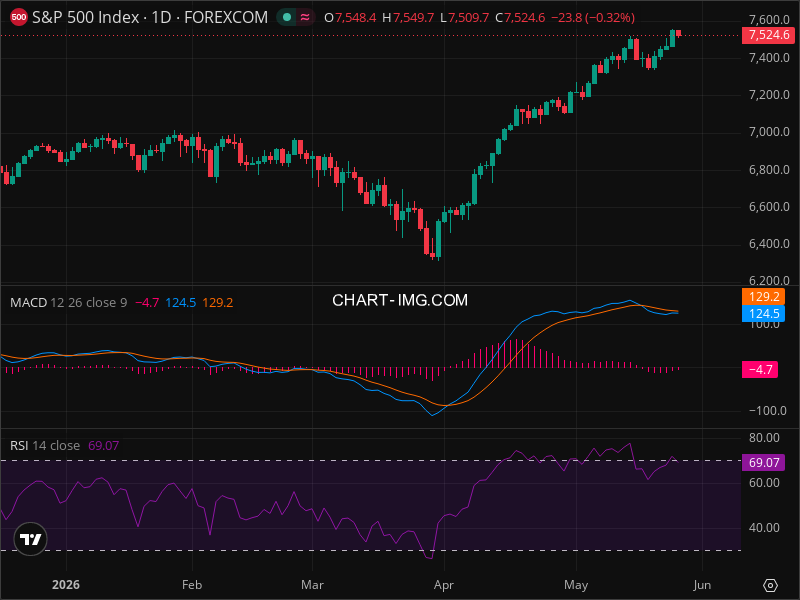
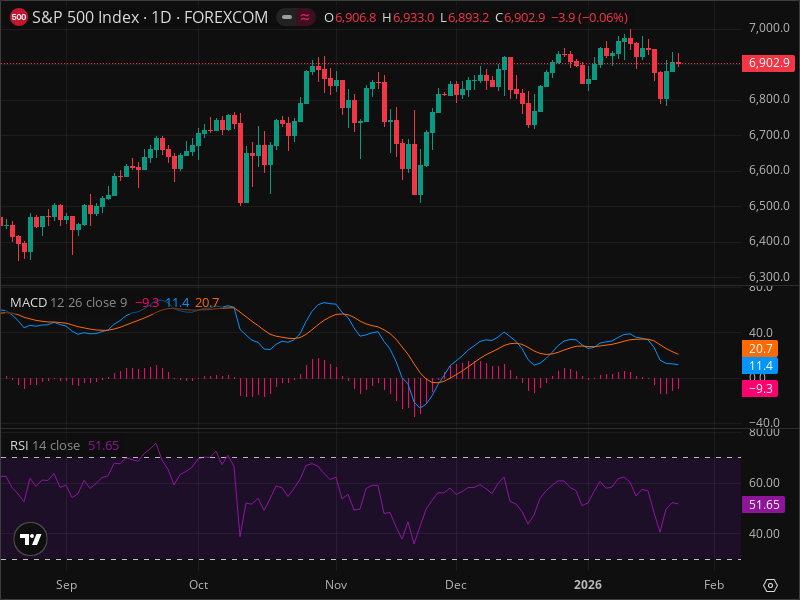
SPX at Critical Level: Why This Week Matters
SPX at Critical Level: Why This Week Matters SPX Chart | TradingView In the hi
XRP at $2.84: Could This Pattern Push It Past $3.30 Soon?
/* Modern SEO & AI-Optimized Article Styles */ @import url('https://fonts.googleap
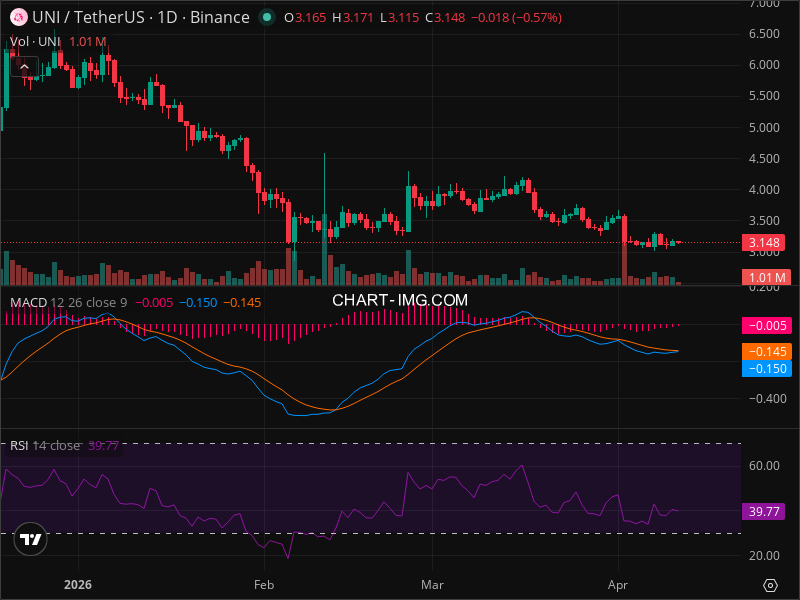
UNI at Critical Level: Why This Week Matters
UNI at Critical Level: Why This Week Matters UNI Chart | TradingView In the wh
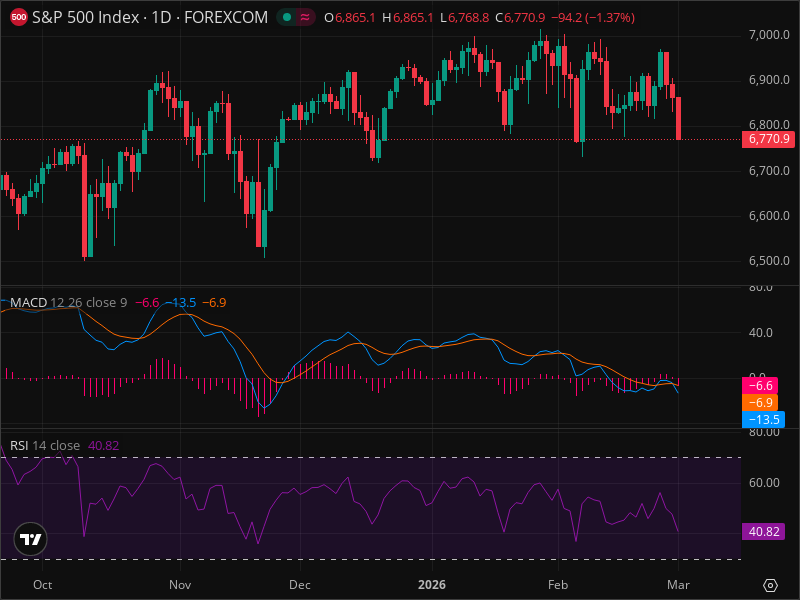
SPX at Critical Level: Why This Week Matters
SPX Chart | TradingView SPX at Critical Level: Why This Week Matters In the fr
The Top 10 Crypto Assets with the Highest Potential in 2025
.article-container { font-family: Arial, sans-serif; line-height: 1.6; color: #333; background-color
The Ultimate Bitcoin Review 2024: Everything You Need to Know Today
.article-container { font-family: Arial, sans-serif; line-height: 1.6; color: #333; background-colo
The Everyday Fruit that's a Powerhouse of Nutrition and Your Weight Loss Ally
(adsbygoogle = window.adsbygoogle || []).push({}); IntroductionWhen it comes to nutrition a
The oldest and most powerful remedy to permanently get rid of insects and ants
(adsbygoogle = window.adsbygoogle || []).push({}); IntroductionEach year, as the hot season
Two Beds, One Dream: The Growing Trend of Sleeping Apart for Better Rest
(adsbygoogle = window.adsbygoogle || []).push({}); IntroductionIn an era where quality slee
(adsbygoogle = window.adsbygoogle || []).push({}); Introduction In t...
(adsbygoogle = window.adsbygoogle || []).push({}); Einführung Wenn es um Er...
Mobi
Are you someone who makes international payments regularly using Bitcoin? Or do you travel a lot and...
Bitcoin.com
Bitcoin.com is a free downloadable Bitcoin wallet that allows users to trade and receive Bitcoins. T...
BTC.com
Created by Bitmain in 2016, BTC.com is a leading open-source Bitcoin and Bitcoin Cash storage platfo...


 Français
 Spanish
 Deutsch
 Português
 Türkçe
 Italiano
 العربية
 Русский
 Chinese
 Korean
 Japanese
 Vietnamese
 Hebrew
 Hindi
Hindi
 Greek
Greek
 Polish
 Thai
Thai
 Dutch
Dutch
 Malay
Malay




.png)
.png)
.png)














COMMENTS (0)