Create a FREE account and...
Manage your own Watchlist
Access all education lessons
Converse with other crypto enthusiasts
Be a part of the Interactive Crypto Community
OR
Please fill out the required fields Please fill out the required fields Please fill out the required fields

As the tech giant Apple stands at a critical juncture, whispers of a potential stock price drop below $200 are growing louder. As of March 31, 2026, with AAPL trading at a precarious level, the convergence of macroeconomic storms, regulatory battles, and fierce competition paints a complex picture for investors. With recent data showing a 3% decline in international revenue due to currency fluctuations, the question looms: could these mounting pressures signal a significant downturn for one of the world’s most iconic companies? This isn’t just a story about numbers—it’s about the future of your investments and the shifting tides in the tech landscape that could impact your financial decisions.
Why should you care? Whether you’re a long-time Apple shareholder or simply tracking market trends, the implications of this potential slide are profound. From inflation biting into consumer spending to geopolitical risks threatening supply chains, the challenges are real and immediate. Stick with us as we unpack the forces at play, offer actionable insights, and explore what the future might hold for AAPL—and for you.
The tech sector is no stranger to volatility, but Apple’s current position feels particularly unsteady. As of early 2026, AAPL’s stock has shown signs of strain, hovering near critical support levels after a year of mixed performance. According to recent data from Bloomberg, Apple’s market cap remains a staggering $2.2 trillion, yet cracks are appearing under the surface. A combination of high inflation, rising interest rates, and a strong U.S. dollar has already shaved off significant international revenue—a warning sign for a company so reliant on global markets.
Recent events only add to the tension. The Federal Reserve’s latest rate hike, aimed at curbing persistent inflation, has tightened consumer wallets worldwide. For Apple, whose premium products often command top dollar, this could mean fewer iPhones and MacBooks flying off shelves. Add to that the growing regulatory scrutiny over App Store policies in the European Union, and you’ve got a recipe for potential revenue hits. These developments aren’t just blips—they’re seismic shifts that could redefine Apple’s trajectory.
What’s more, the competitive landscape is heating up. Rivals like Samsung and Google are doubling down on innovation, particularly in emerging fields like artificial intelligence (AI) and augmented reality (AR). If Apple stumbles in these areas, it risks losing ground. For a deeper look into how these factors are playing out, check the AI analysis on market trends and stock predictions.
If you’ve got skin in the game with Apple stock, now is the time to sit up and pay attention. A potential drop below $200 isn’t just a number—it’s a signal of deeper vulnerabilities that could impact your portfolio. The immediate concern is consumer spending. With inflation squeezing budgets, even loyal Apple customers might delay upgrading to the latest iPhone or Mac, directly hitting the company’s bottom line.
For long-term investors, regulatory risks are a bigger worry. If the EU or U.S. forces changes to Apple’s App Store model, the lucrative 30% commission on in-app purchases could shrink, denting a key revenue stream. This isn’t speculation—Bloomberg reports suggest a potential 15% hit to services revenue if new rules take hold. Diversifying your holdings or hedging against tech sector downturns might be prudent steps right now.
Short-term traders, on the other hand, should watch technical indicators closely. A bearish trend in key metrics could signal an entry point—or a warning to exit. Curious about where AAPL stands? Get AI-powered insights to guide your next move.
Apple’s story can’t be told without looking at the broader economic canvas. Inflation rates in major markets like the U.S. and Europe have hovered at multi-year highs, prompting central banks to raise interest rates aggressively. According to a recent CNBC report, the Federal Reserve’s latest hike has pushed borrowing costs to levels not seen in over a decade. For a company like Apple, which thrives on discretionary spending, this is a direct threat to demand.
Then there’s the geopolitical angle. Apple’s supply chain is heavily tied to China, where over 90% of its products are assembled. Rising tensions between the U.S. and China, coupled with potential tariffs, could inflate manufacturing costs by as much as 20%, per a U.S. Trade Department report. Any disruption—be it from trade disputes or unforeseen events like natural disasters—could halt production and delay product launches.
Currency fluctuations are another silent killer. With a strong U.S. dollar, Apple’s overseas earnings take a hit when converted back to USD. The company’s 2025 financial report already flagged a 3% drop in international revenue due to this very issue. For a firm that generates over half its sales outside the U.S., this isn’t a minor inconvenience—it’s a structural challenge.

ETH Crypto Chart
Finally, let’s not forget the regulatory storm brewing. Governments worldwide are cracking down on Big Tech, and Apple is squarely in the crosshairs. The EU’s Digital Markets Act could force Apple to open up its ecosystem, while U.S. antitrust investigations threaten to unravel its tightly integrated services model. These aren’t just fines—they’re existential risks to how Apple does business.
Industry voices are sounding the alarm, and their warnings carry weight. Wedbush Securities analyst Daniel Ives recently noted that while Apple’s ecosystem remains a fortress, “regulatory and economic pressures could erode its moat faster than expected.” Ives points to the App Store as a flashpoint, with potential revenue losses looming if forced changes materialize.
On the innovation front, tech consultants at Gartner have highlighted Apple’s slower pace in AI and AR compared to competitors like Google and Meta. If Apple fails to deliver a game-changing product in these spaces, it risks being seen as a follower rather than a leader—a perception that could spook investors. Meanwhile, supply chain experts warn that over-reliance on China remains Apple’s Achilles’ heel, especially as geopolitical tensions simmer.
The ripple effects extend beyond Apple itself. A significant AAPL downturn could drag down the broader tech sector, impacting ETFs and mutual funds with heavy exposure. For a data-driven take on these dynamics, see what the AI predicts for Apple and related markets.
Let’s break down the financial stakes. Apple’s revenue streams—hardware, services, and wearables—are all under threat from different angles. Hardware sales, particularly the iPhone, face saturation in mature markets and economic pushback in emerging ones. Services, while a growth engine, could take a hit if App Store commissions are slashed by regulatory mandates.
On the cost side, supply chain disruptions and potential tariffs could squeeze Apple’s famously high margins. A 20% spike in manufacturing costs, as flagged by trade reports, isn’t just a number—it’s a direct blow to profitability. Add in rising compliance costs from privacy laws like GDPR, and the financial picture gets murkier.
Yet, there are opportunities amid the uncertainty. If Apple’s stock does dip below $200, it could present a buying opportunity for value investors betting on a rebound. Alternatively, options strategies like protective puts could safeguard against downside risk. For those looking to pivot, competitors like Google or Samsung might offer safer harbors in the short term.
Still weighing your options? View AI signals for AAPL to inform your strategy with cutting-edge analysis.
For traders, the charts are speaking volumes. Apple’s stock currently shows a Relative Strength Index (RSI) of 55, indicating a neutral stance but teetering close to oversold territory if selling pressure mounts. A drop below 30 on the RSI could signal a buying opportunity—or a deeper slide.
The Moving Average Convergence Divergence (MACD) paints a more concerning picture, with a bearish crossover suggesting downward momentum in the near term. Trading volumes, meanwhile, have declined over recent weeks, often a precursor to volatility. According to data from Yahoo Finance, key support levels near $205 are under threat—if breached, a slide to $190 or lower isn’t out of the question.
Here’s a snapshot of critical metrics:

UNI Crypto Chart
| Metric | Current Value | Change (30 Days) |
|---|---|---|
| Apple Stock Price | $208.50 | -2.5% |
| RSI | 55 | -3 |
| Trading Volume (Avg Daily) | 65M | -8% |
For a deeper dive into these indicators, check AI fair value estimates for AAPL and see where the data points.
In the best-case scenario, Apple weathers the storm with minimal damage. A strong economic recovery could bolster consumer spending, while successful product launches in AI or AR could reignite growth. Analysts at Morgan Stanley give this a 30% probability, with AAPL potentially stabilizing above $200 and even pushing toward $250 if innovation hits the mark.
More likely, with a 40% probability per Financial Times analysis, is a regulatory clampdown that forces Apple to adapt its business model. This could mean a stock price dip below $200 as services revenue takes a hit. While not catastrophic, it would signal a period of adjustment and uncertainty.
The worst-case scenario, though less likely at 10%, involves a perfect storm of geopolitical escalation and economic downturn. Supply chain disruptions paired with a global recession could push AAPL below $180, a level not seen in years. While improbable, it’s a risk worth monitoring.
What does the data suggest? See AI price prediction for a forward-looking assessment of Apple’s trajectory.
Several factors are at play, including high inflation reducing consumer spending, regulatory pressures on App Store revenue, and geopolitical risks disrupting supply chains. Currency fluctuations and competitive challenges in innovation also contribute to the bearish outlook. Together, these pressures could erode investor confidence and push AAPL’s price lower.
While Apple’s ecosystem and brand loyalty provide a strong foundation, the current risks warrant caution. Long-term investors might still see value if the company navigates regulatory and economic challenges successfully. However, diversification is key to mitigating potential downside.
Regulations like the EU’s Digital Markets Act could force Apple to alter its App Store policies, potentially reducing commission revenue by up to 15%, per Bloomberg estimates. U.S. antitrust investigations might also lead to operational changes, impacting profitability. Compliance costs for privacy laws add another layer of financial strain.
Monitor key developments closely—especially regulatory rulings and economic data releases. Consider hedging strategies or diversifying into other sectors to reduce exposure. For actionable data, get professional AI analysis to stay ahead of market shifts.
Possibly, but it’s not guaranteed. Breakthroughs in AI or AR could reignite investor enthusiasm and drive growth. However, Apple must outpace competitors like Google and Meta, who are heavily investing in these areas, to maintain its edge.
Very exposed, given its reliance on China for manufacturing. Any escalation in U.S.-China tensions or new tariffs could disrupt production and raise costs significantly. Supply chain experts warn this remains a critical vulnerability for the company.
ALL
TRENDING
WATCHLIST
Total Market Cap The Total Market Capitalization (Market Cap) is an indicator that measures the size of all the cryptocurrencies.It’s the total market value of all the cryptocurrencies' circulating supply: so it’s the total value of all the coins that have been mined.
{[{ marketcap }]} {[{ marketcapchange.toLocaleString(undefined, {maximumFractionDigits:2}) }]}% (24H) {[{ marketcapchange.toLocaleString(undefined, {maximumFractionDigits:2}) }]}% (24H)
Symbol
Price Cryptocurrency prices are volatile, and the prices change all the time. We are collecting all the data from several exchanges to provide the most accurate price available.
24H Cryptocurrency prices are volatile… The 24h % change is the difference between the current price and the price24 hours ago.
Trade
{[{ item.name }]}
{[{ index + $index}]}
{[{ item.pair.split('_')[0] }]}
Ƀ{[{item.price.toLocaleString(undefined, {maximumFractionDigits: 5}) }]} ${[{item.price.toLocaleString(undefined, {maximumFractionDigits: 5}) }]}
{[{ item.change24.toLocaleString(undefined, {maximumFractionDigits: 2}) }]}%
{[{ item.change24.toLocaleString(undefined, {maximumFractionDigits: 2}) }]}%
Symbol
Price Cryptocurrency prices are volatile, and the prices change all the time. We are collecting allthe data fromseveral exchanges to provide the most accurate price available.
24H Cryptocurrency prices are volatile… The 24h % change is the difference between the current priceand the price24 hours ago.
Trade
{[{ item.name }]}
{[{ index + $index}]}
{[{ item.pair.split('_')[0] }]}
Ƀ{[{item.price.toLocaleString(undefined, {maximumFractionDigits: 5}) }]} ${[{item.price.toLocaleString(undefined, {maximumFractionDigits: 5}) }]}
{[{ item.change24.toLocaleString(undefined, {maximumFractionDigits: 2}) }]}%
{[{ item.change24.toLocaleString(undefined, {maximumFractionDigits: 2}) }]}%
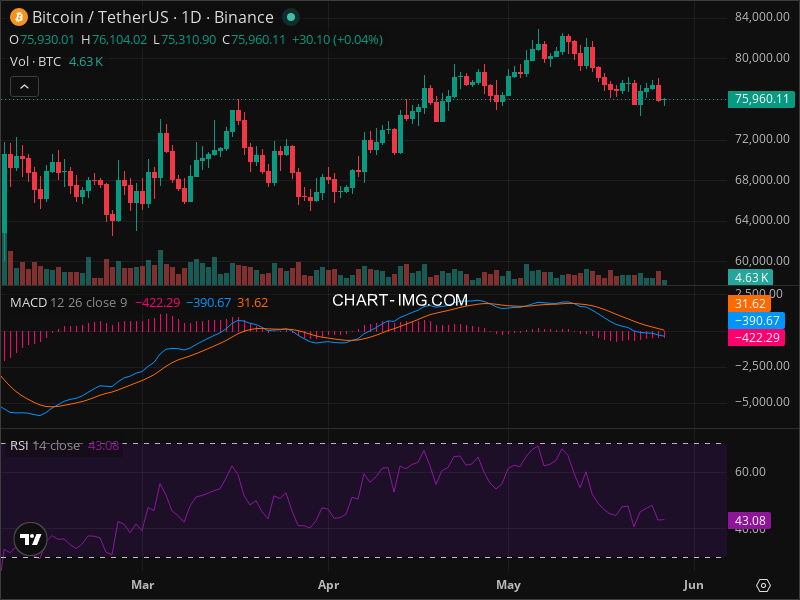
BTC Technical Analysis
May 27, 2026 | Joanna Newman

Soybeans Technical Analysis
May 27, 2026 | Joanna Newman
Live Cattle Technical Analysis
May 27, 2026 | Joanna Newman
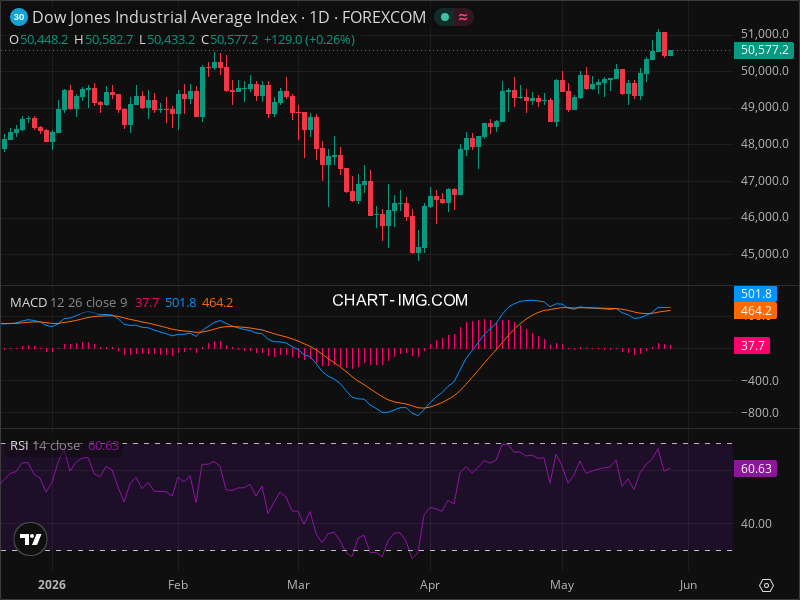
DJI Technical Analysis
May 27, 2026 | Joanna Newman
Tezos (XTZ) Review 2024: Everything You Need to Know Before Buying Tezos
.article-container { font-family: Arial, sans-serif; line-height: 1.6; color: #333; backgrou...
Chromia (CHR) Review 2024: Everything You Need to Know Before Buying Chromia
Illuvium (ILV) Review 2024: Everything You Need to Know Before Buying Illuvium
My Neighbor Alice (ALICE) Review 2024: Everything You Need to Know Before Buying My Neighbor Alice
Star Atlas (ATLAS) Review 2024: Everything You Need to Know Before Buying Star Atlas
TabTrade
What Is TabTrade? A Complete IntroductionTabTrade is a globally oriented multi-asset CFD and forex b...
Funded7
In the fast-moving world of proprietary trading, 2026 has marked a significant shift in what traders...
Bullwaves
Bullwaves Review 2026: A Premium MT5 Brokerage for Multi-Asset TradersBullwaves has quickly carved o...
BlackBull Markets
...
OQtima
Oqtima is an emerging online trading platform that offers a wide range of financial instruments, inc...
(adsbygoogle = window.adsbygoogle || []).push({}); Introduction In t...
(adsbygoogle = window.adsbygoogle || []).push({}); Einführung Wenn es um Er...
Mobi
Are you someone who makes international payments regularly using Bitcoin? Or do you travel a lot and...
Bitcoin.com
Bitcoin.com is a free downloadable Bitcoin wallet that allows users to trade and receive Bitcoins. T...
BTC.com
Created by Bitmain in 2016, BTC.com is a leading open-source Bitcoin and Bitcoin Cash storage platfo...
Threats Apple Stock Faces That Can Push AAPL Prices Below $200
/* Modern SEO & AI-Optimized Article Styles */ /* Fonts loaded via link tags in head for b
Gold Price Prediction: Could $5,200 Be the Next Target by 2026?
body { margin: 0; padding: 0; font-family: Georgia, "Times New Roman", serif;
Bitcoin Ecosystem You Need to Know
Bitcoin has revolutionized financial transactions. What was once a digital start-up is now threateni
SPX Technical Analysis
SPX Chart | TradingView Navigating Market Volatility with Advanced Trading Platfo
Bitcoin Soars Toward Record Highs Amid US-China Trade Optimism: What's Next for Investors?
.article-container { font-family: Arial, sans-serif; line-height: 1.6; color: #
The Top 10 Crypto Assets with the Highest Potential in 2025
.article-container { font-family: Arial, sans-serif; line-height: 1.6; color: #333; background-color
The Ultimate Bitcoin Review 2024: Everything You Need to Know Today
.article-container { font-family: Arial, sans-serif; line-height: 1.6; color: #333; background-colo
The Everyday Fruit that's a Powerhouse of Nutrition and Your Weight Loss Ally
(adsbygoogle = window.adsbygoogle || []).push({}); IntroductionWhen it comes to nutrition a
The oldest and most powerful remedy to permanently get rid of insects and ants
(adsbygoogle = window.adsbygoogle || []).push({}); IntroductionEach year, as the hot season
Two Beds, One Dream: The Growing Trend of Sleeping Apart for Better Rest
(adsbygoogle = window.adsbygoogle || []).push({}); IntroductionIn an era where quality slee
(adsbygoogle = window.adsbygoogle || []).push({}); Introduction In t...
(adsbygoogle = window.adsbygoogle || []).push({}); Einführung Wenn es um Er...
Mobi
Are you someone who makes international payments regularly using Bitcoin? Or do you travel a lot and...
Bitcoin.com
Bitcoin.com is a free downloadable Bitcoin wallet that allows users to trade and receive Bitcoins. T...
BTC.com
Created by Bitmain in 2016, BTC.com is a leading open-source Bitcoin and Bitcoin Cash storage platfo...


 Français
 Spanish
 Deutsch
 Português
 Türkçe
 Italiano
 العربية
 Русский
 Chinese
 Korean
 Japanese
 Vietnamese
 Hebrew
 Hindi
Hindi
 Greek
Greek
 Polish
 Thai
Thai
 Dutch
Dutch
 Malay
Malay




.png)
.png)
.png)













COMMENTS (0)