Create a FREE account and...
Manage your own Watchlist
Access all education lessons
Converse with other crypto enthusiasts
Be a part of the Interactive Crypto Community
OR
Please fill out the required fields Please fill out the required fields Please fill out the required fields

As of February 6, 2026, the cryptocurrency market is gripped by uncertainty, with Bitcoin—the cornerstone of digital assets—plunging below the critical $65,000 threshold to $64,751, marking an 8.46% drop in just 24 hours. This sharp decline has sent shockwaves through the industry, pushing the Fear & Greed Index to a staggering low of 9, a clear sign of extreme fear among investors. Yet, beneath the surface of this turmoil lies a potential golden opportunity for savvy investors who understand the cyclical nature of crypto markets. Could this dip be the entry point for substantial long-term gains, or is it a warning of deeper declines? For anyone with a stake in digital assets or an eye on future wealth-building opportunities, this moment demands attention—and perhaps bold action. Dive into our in-depth analysis and check the AI analysis to uncover what data reveals about Bitcoin’s next move.
The cryptocurrency landscape is currently a battlefield of emotions and numbers. Bitcoin’s price, now at $64,751 according to CoinGecko data, reflects not just a numerical decline but a psychological blow to investors who view $65,000 as a key support level. Ethereum isn’t faring much better, dropping 9.60% to $1,895.59, while other major altcoins like Binancecoin (BNB) and Cardano (ADA) are seeing double-digit losses. The total crypto market capitalization has shrunk to $2.29 trillion, a significant retreat from recent highs, yet trading volumes have skyrocketed to $354.59 billion, hinting at intense activity—both panic selling and opportunistic buying.
What’s driving this downturn? A confluence of macroeconomic pressures, regulatory uncertainties, and profit-taking behaviors are at play. Rising interest rates globally are making risk assets like cryptocurrencies less appealing, as reported by Bloomberg. Meanwhile, regulatory scrutiny in major markets like the United States and China continues to spook investors. Despite these headwinds, Bitcoin still holds a commanding 56.33% market dominance, suggesting that even in a storm, it remains the asset of choice for many.
This volatility isn’t just noise—it’s a signal. For those willing to look beyond the fear, the current market metrics might be pointing to an undervalued asset ready for a rebound. Curious about what the data predicts? See AI price prediction for Bitcoin and get ahead of the curve.
For investors, Bitcoin’s dip below $65,000 is a double-edged sword. On one hand, it’s a stark reminder of the volatility inherent in cryptocurrencies—prices can swing wildly in a matter of hours. On the other, it presents a rare chance to buy at a discount, especially for those with a long-term perspective. History shows that periods of extreme fear often precede significant recoveries, as seen in Bitcoin’s rebounds after the 2018 and 2020 crashes.
So, what should you do? First, assess your risk tolerance. If you’re a retail investor with limited capital, consider dollar-cost averaging to mitigate the impact of further declines. For institutional players or high-net-worth individuals, this could be the moment to accumulate, as data from CoinDesk indicates long-term holders are already doing so.
Beyond strategy, staying informed is crucial. Regulatory developments could either exacerbate this downturn or catalyze a recovery, depending on the outcomes. Keep a close eye on news from the SEC and other global bodies. And for a deeper dive into potential price movements, get AI-powered insights to guide your next steps.
To fully grasp why Bitcoin is stumbling, we need to zoom out to the broader economic picture. Central banks worldwide, including the Federal Reserve, are hiking interest rates to combat inflation, a move that traditionally siphons capital away from riskier assets like cryptocurrencies. As Bloomberg analysts have noted, this tightening of monetary policy increases the cost of borrowing, making speculative investments less attractive. For crypto, which thrives on risk appetite, this is a significant hurdle.
Regulation is another heavy weight on the market’s shoulders. In the United States, the Securities and Exchange Commission (SEC) continues to scrutinize crypto exchanges and projects, creating an air of uncertainty. Across the Pacific, China’s ongoing crackdown on mining and trading activities has further dampened sentiment, according to Reuters reports. These actions aren’t just isolated events—they signal a global push to tame the Wild West of digital assets, which could either stabilize the market or stifle innovation.
Let’s not forget the human factor. After Bitcoin’s meteoric rise over the past year, many investors are cashing out to lock in gains. This profit-taking, as highlighted by Financial Times analysis, often exacerbates downward trends, creating a feedback loop of selling pressure. It’s a classic market dynamic: fear begets fear, but it also clears the way for new buyers.

NASDAQ:COIN Daily Stock Chart
The Fear & Greed Index, currently at 9, tells a story of panic. But here’s the flip side—extreme fear has historically been a contrarian indicator. When sentiment hits rock bottom, it often means the market is oversold, setting the stage for a reversal. Could this be the case now? Only time—and data—will tell.
Industry voices are split on Bitcoin’s trajectory, reflecting the uncertainty of the moment. “This dip is a textbook accumulation phase,” argues Alex Johnson, a market analyst at Forbes. “Institutional investors are quietly buying up Bitcoin, seeing it as a discounted entry point for long-term growth.” Johnson’s optimism is backed by on-chain data showing large wallet addresses increasing their holdings, as reported by CoinDesk.
On the other side of the fence, Sarah Kim, an economist at Bloomberg, cautions against premature optimism. “With interest rates rising and regulatory risks looming, cryptocurrencies could face sustained headwinds,” she noted in a recent interview. Her perspective aligns with concerns about broader economic conditions squeezing speculative assets.
The impact on the industry extends beyond price. Smaller altcoins, already struggling with liquidity, are seeing even sharper declines, which could lead to consolidation or project failures. Meanwhile, major players like Bitcoin and Ethereum continue to dominate, reinforcing their status as safe havens within the crypto space. For a detailed breakdown of potential outcomes, view AI signals for Bitcoin and stay informed.
Let’s start with the risks. A further drop in Bitcoin’s price could trigger margin calls for leveraged traders, accelerating sell-offs. Regulatory actions, if harsher than expected, might limit market access or impose compliance costs that deter new entrants. And macroeconomic factors, like persistent inflation or a global recession, could keep risk assets under pressure for months, as warned by JPMorgan analysts in recent reports.
Yet, every crisis breeds opportunity. Bitcoin’s current price, hovering below a key psychological level, might be a bargain for those with a multi-year horizon. Its fixed supply of 21 million coins continues to underpin a scarcity-driven value proposition, a factor that has drawn institutional giants like MicroStrategy to amass billions in holdings. MicroStrategy CEO Michael Saylor has repeatedly called Bitcoin “digital gold,” a sentiment echoing through boardrooms.
For retail investors, diversification remains key. Allocating a small portion of your portfolio to Bitcoin or Ethereum during dips can balance risk and reward. Additionally, staking or yield farming in DeFi protocols offers passive income potential, though it comes with its own set of risks. And for those seeking data-driven decisions, get AI analysis for Bitcoin to uncover fair value estimates and risk assessments.
From a technical perspective, Bitcoin is flashing signals that could excite contrarian investors. The Relative Strength Index (RSI) sits at 28, well below the 30 threshold that indicates oversold conditions. This suggests the selling pressure may be nearing exhaustion. Meanwhile, the Moving Average Convergence Divergence (MACD) is hinting at a potential bullish crossover, a sign that momentum could shift upward soon.
Trading volumes, spiking to $354.59 billion, are another critical indicator. High volume during a price drop often precedes a reversal, as it reflects capitulation—weak hands selling out, leaving room for stronger buyers. Support levels around $60,000 will be crucial to watch; a break below could signal further downside, while a bounce could confirm a bottom.
Here’s a snapshot of key metrics:
| Metric | Current Value | Change (24h) |
|---|---|---|
| Bitcoin Price | $64,751 | -8.46% |
| Ethereum Price | $1,895.59 | -9.60% |
| Market Cap (Total) | $2.29T | N/A |
| Trading Volume (24h) | $354.59B | N/A |
For a deeper technical breakdown, check AI fair value estimate and see what advanced models suggest about Bitcoin’s price trajectory.
Looking ahead, the crypto market stands at a crossroads. In a bullish scenario, Bitcoin could rebound to test $70,000 within the next few months, driven by institutional accumulation and a potential easing of macroeconomic pressures. Analysts at CoinDesk point to Bitcoin’s halving cycles as a long-term catalyst—each halving historically reduces supply, pushing prices higher over time.
Conversely, a bearish outlook warns of a drop to $50,000 or lower if regulatory crackdowns intensify or if global economic conditions worsen. CNBC interviews with market strategists highlight the risk of prolonged stagnation if investor confidence doesn’t recover. The interplay of these factors makes precise predictions challenging, yet the data leans toward a recovery if key support levels hold.
What’s clear is that timing and information will be everything. Staying ahead of market shifts requires tools and insights beyond traditional analysis. Curious about the next move? See what the AI predicts for Bitcoin and other major cryptocurrencies.
Bitcoin’s recent drop is attributed to a mix of rising interest rates, regulatory uncertainties in major markets like the US and China, and profit-taking by investors after a prolonged bull run. These factors have collectively created a bearish sentiment, as reflected in the Fear & Greed Index hitting a low of 9.
While no one can predict the market with certainty, technical indicators like an RSI below 30 suggest Bitcoin may be oversold, potentially offering a buying opportunity for long-term investors. However, risks remain, including further regulatory actions and economic downturns. Always assess your risk tolerance before investing.
Key risks include tighter monetary policies globally, potential regulatory crackdowns that could limit market access, and ongoing volatility that may trigger further sell-offs. Keeping abreast of news and data is essential to navigate these uncertainties.
Utilize technical indicators like RSI, MACD, and moving averages to gauge market momentum. On-chain data, such as wallet activity and transaction volumes, can also provide insights into investor behavior. For a comprehensive approach, consider tools that offer advanced metrics and predictions.
Bitcoin’s long-term outlook remains optimistic for many analysts due to its fixed supply and growing institutional adoption. However, short-term volatility and external pressures could delay significant price appreciation. Historical trends suggest recoveries follow major dips, but timing is critical.
Platforms like CoinGecko and CoinMarketCap provide real-time price data and market metrics. For deeper analysis, consider professional tools that integrate technical and on-chain data to offer actionable insights. Get professional AI analysis to enhance your decision-making process.
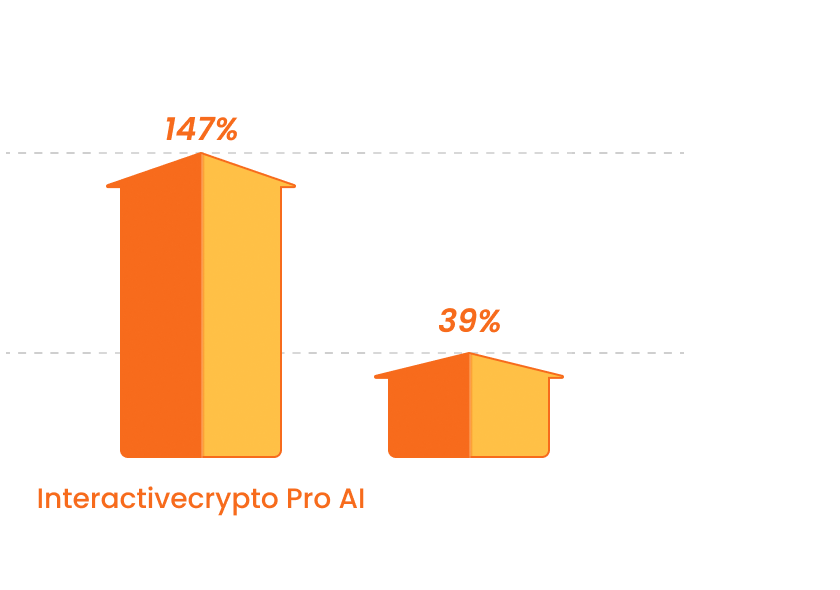

ALL
TRENDING
WATCHLIST
Total Market Cap The Total Market Capitalization (Market Cap) is an indicator that measures the size of all the cryptocurrencies.It’s the total market value of all the cryptocurrencies' circulating supply: so it’s the total value of all the coins that have been mined.
{[{ marketcap }]} {[{ marketcapchange.toLocaleString(undefined, {maximumFractionDigits:2}) }]}% (24H) {[{ marketcapchange.toLocaleString(undefined, {maximumFractionDigits:2}) }]}% (24H)
Symbol
Price Cryptocurrency prices are volatile, and the prices change all the time. We are collecting all the data from several exchanges to provide the most accurate price available.
24H Cryptocurrency prices are volatile… The 24h % change is the difference between the current price and the price24 hours ago.
Trade
{[{ item.name }]}
{[{ index + $index}]}
{[{ item.pair.split('_')[0] }]}
Ƀ{[{item.price.toLocaleString(undefined, {maximumFractionDigits: 5}) }]} ${[{item.price.toLocaleString(undefined, {maximumFractionDigits: 5}) }]}
{[{ item.change24.toLocaleString(undefined, {maximumFractionDigits: 2}) }]}%
{[{ item.change24.toLocaleString(undefined, {maximumFractionDigits: 2}) }]}%
Symbol
Price Cryptocurrency prices are volatile, and the prices change all the time. We are collecting allthe data fromseveral exchanges to provide the most accurate price available.
24H Cryptocurrency prices are volatile… The 24h % change is the difference between the current priceand the price24 hours ago.
Trade
{[{ item.name }]}
{[{ index + $index}]}
{[{ item.pair.split('_')[0] }]}
Ƀ{[{item.price.toLocaleString(undefined, {maximumFractionDigits: 5}) }]} ${[{item.price.toLocaleString(undefined, {maximumFractionDigits: 5}) }]}
{[{ item.change24.toLocaleString(undefined, {maximumFractionDigits: 2}) }]}%
{[{ item.change24.toLocaleString(undefined, {maximumFractionDigits: 2}) }]}%

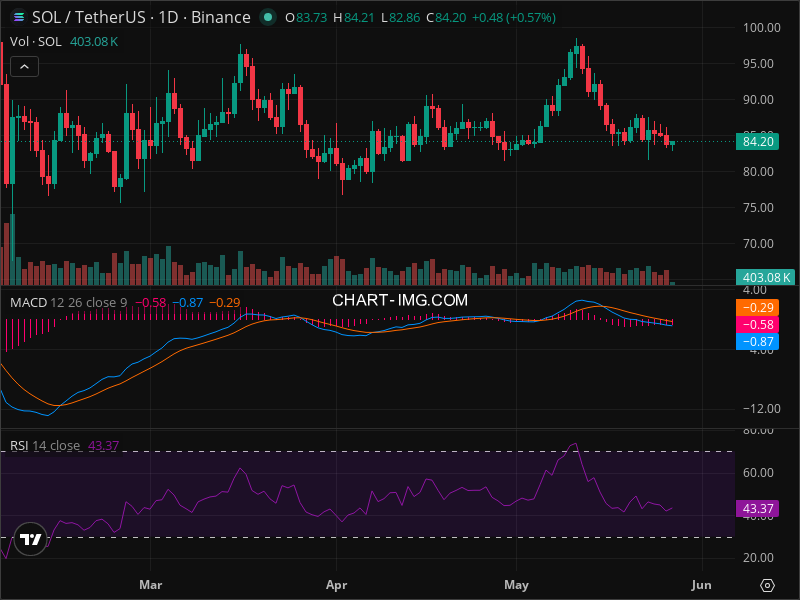
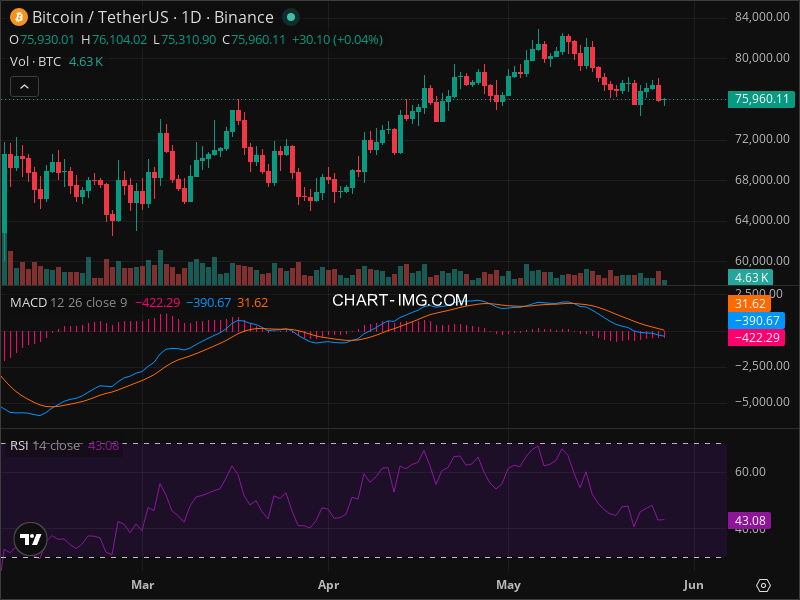
BTC Technical Analysis
May 27, 2026 | Joanna Newman

Soybeans Technical Analysis
May 27, 2026 | Joanna Newman
Live Cattle Technical Analysis
May 27, 2026 | Joanna Newman
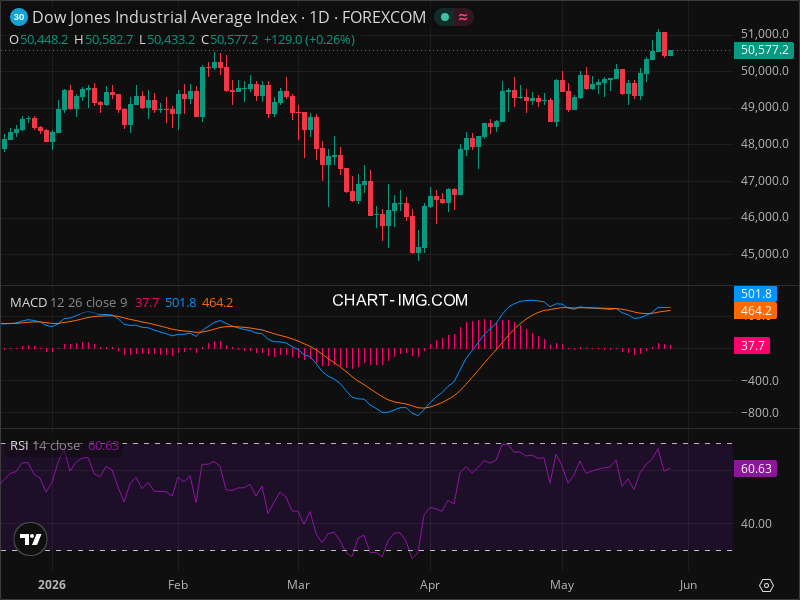
DJI Technical Analysis
May 27, 2026 | Joanna Newman
Tezos (XTZ) Review 2024: Everything You Need to Know Before Buying Tezos
.article-container { font-family: Arial, sans-serif; line-height: 1.6; color: #333; backgrou...
Chromia (CHR) Review 2024: Everything You Need to Know Before Buying Chromia
Illuvium (ILV) Review 2024: Everything You Need to Know Before Buying Illuvium
My Neighbor Alice (ALICE) Review 2024: Everything You Need to Know Before Buying My Neighbor Alice
Star Atlas (ATLAS) Review 2024: Everything You Need to Know Before Buying Star Atlas
TabTrade
What Is TabTrade? A Complete IntroductionTabTrade is a globally oriented multi-asset CFD and forex b...
Funded7
In the fast-moving world of proprietary trading, 2026 has marked a significant shift in what traders...
Bullwaves
Bullwaves Review 2026: A Premium MT5 Brokerage for Multi-Asset TradersBullwaves has quickly carved o...
BlackBull Markets
...
OQtima
Oqtima is an emerging online trading platform that offers a wide range of financial instruments, inc...
(adsbygoogle = window.adsbygoogle || []).push({}); Introduction In t...
(adsbygoogle = window.adsbygoogle || []).push({}); Einführung Wenn es um Er...
Mobi
Are you someone who makes international payments regularly using Bitcoin? Or do you travel a lot and...
Bitcoin.com
Bitcoin.com is a free downloadable Bitcoin wallet that allows users to trade and receive Bitcoins. T...
BTC.com
Created by Bitmain in 2016, BTC.com is a leading open-source Bitcoin and Bitcoin Cash storage platfo...
Bitcoin Price Analysis: Why a $65,000 Dip Could Signal a Major Buying Opportunity
/* Modern SEO & AI-Optimized Article Styles */ /* Fonts loaded via link tags in head for b
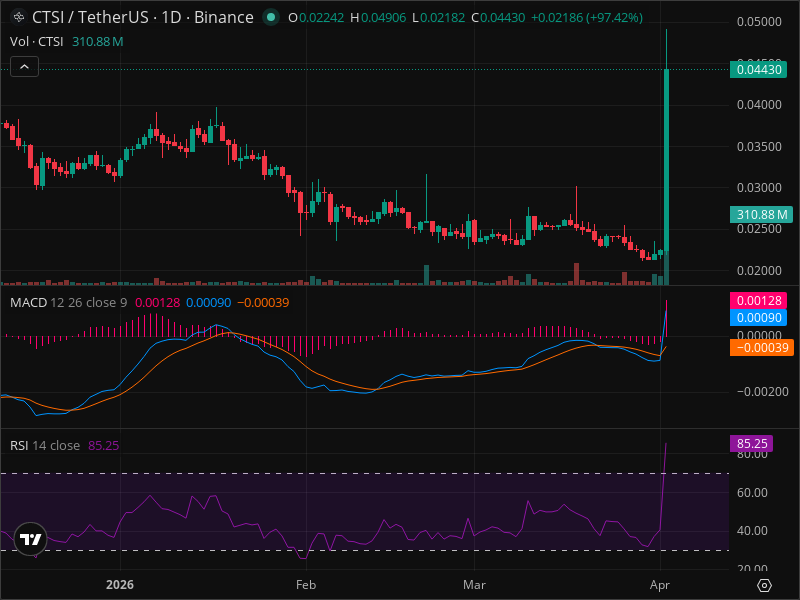
CTSI at Critical Level: Why This Week Matters
CTSI at Critical Level: Why This Week Matters CTSI Chart | TradingView As the
Moneta Markets
Moneta Markets is a rising star in the online trading industry, known for its diverse range of tradi
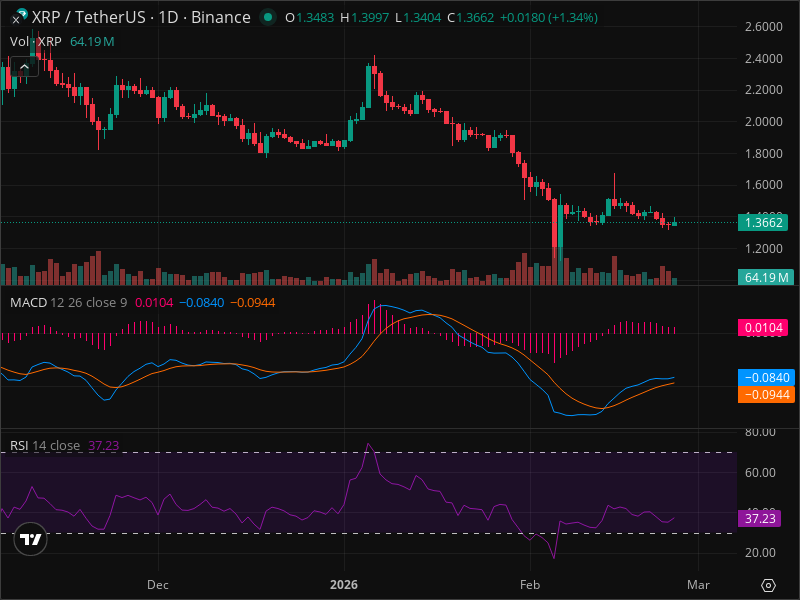
XRP Momentum Shift: The Signals Smart Money Is Watching
XRP Momentum Shift: The Signals Smart Money Is Watching XRP Chart | TradingView
Abundant Global Coffee Supplies Pressures Prices
/* Modern SEO & AI-Optimized Article Styles */ /* Fonts loaded via link tags in head for b
The Top 10 Crypto Assets with the Highest Potential in 2025
.article-container { font-family: Arial, sans-serif; line-height: 1.6; color: #333; background-color
The Ultimate Bitcoin Review 2024: Everything You Need to Know Today
.article-container { font-family: Arial, sans-serif; line-height: 1.6; color: #333; background-colo
The Everyday Fruit that's a Powerhouse of Nutrition and Your Weight Loss Ally
(adsbygoogle = window.adsbygoogle || []).push({}); IntroductionWhen it comes to nutrition a
The oldest and most powerful remedy to permanently get rid of insects and ants
(adsbygoogle = window.adsbygoogle || []).push({}); IntroductionEach year, as the hot season
Two Beds, One Dream: The Growing Trend of Sleeping Apart for Better Rest
(adsbygoogle = window.adsbygoogle || []).push({}); IntroductionIn an era where quality slee
(adsbygoogle = window.adsbygoogle || []).push({}); Introduction In t...
(adsbygoogle = window.adsbygoogle || []).push({}); Einführung Wenn es um Er...
Mobi
Are you someone who makes international payments regularly using Bitcoin? Or do you travel a lot and...
Bitcoin.com
Bitcoin.com is a free downloadable Bitcoin wallet that allows users to trade and receive Bitcoins. T...
BTC.com
Created by Bitmain in 2016, BTC.com is a leading open-source Bitcoin and Bitcoin Cash storage platfo...


 Français
 Spanish
 Deutsch
 Português
 Türkçe
 Italiano
 العربية
 Русский
 Chinese
 Korean
 Japanese
 Vietnamese
 Hebrew
 Hindi
Hindi
 Greek
Greek
 Polish
 Thai
Thai
 Dutch
Dutch
 Malay
Malay




.png)
.png)
.png)














COMMENTS (0)