Create a FREE account and...
Manage your own Watchlist
Access all education lessons
Converse with other crypto enthusiasts
Be a part of the Interactive Crypto Community
OR
Please fill out the required fields Please fill out the required fields Please fill out the required fields

Imagine waking up to a cryptocurrency market gripped by uncertainty, where every price tick sends ripples of anxiety through investors worldwide. As of April 28, 2026, the total crypto market capitalization stands at a staggering $2.66 trillion, yet a pervasive sense of fear dominates sentiment, with the Fear & Greed Index plummeting to 33. This isn’t just a number—it’s a signal of a hidden crash unfolding, with Bitcoin down 2.63% to $77,141 and Ethereum sliding 4% to $2,297.95 in just 24 hours. But amidst this chaos, could there be a silver lining—a potential surge that might push Bitcoin to $150,000? This is the question every investor is asking, and the answer could reshape your financial future. Curious about what the data reveals? Check the AI analysis to uncover hidden insights.
The stakes couldn’t be higher. Whether you’re a seasoned trader or a curious newcomer, understanding this market turbulence is crucial to navigating what’s next. In this deep dive, we’ll explore why fear is driving these declines, what experts are saying about a potential Bitcoin boom, and how you can position yourself for the opportunities ahead.
The cryptocurrency market is in a state of quiet panic. As of April 28, 2026, the total market cap of $2.66 trillion masks a troubling undercurrent, with a 24-hour trading volume of just $93 billion signaling reduced investor activity. Bitcoin, the market leader with a 58.12% dominance, has slipped to $77,141 after a 2.63% drop, while Ethereum, holding a 10.44% dominance, fares worse with a 4% decline to $2,297.95, according to CoinGecko data.
But numbers only tell part of the story. Recent events have fueled this bearish sentiment. Just days ago, on April 25, a mixed economic outlook from the Federal Reserve sparked fears of rising interest rates, triggering Bitcoin sell-offs. The next day, Ethereum took a hit as whispers of a delayed ETH 2.0 upgrade unsettled investors. And on April 27, a high-profile security breach at a major exchange sent shockwaves through the market, amplifying the sense of dread.
What’s clear is that fear, not fundamentals, is steering the ship right now. The Fear & Greed Index at 33—a stark indicator of investor sentiment—underscores this reality. Yet, for those willing to look beyond the panic, these dips might signal a rare buying opportunity. Want to dig deeper into the data? Get AI-powered insights to see what’s really driving these trends.
For investors, the current market climate is a double-edged sword. On one hand, the sharp declines in Bitcoin and Ethereum could spell trouble, especially for those with leveraged positions or short-term horizons. A continued downturn—potentially pushing Bitcoin to $70,000 or Ethereum to $2,000—remains a real risk, as market sentiment teeters on the edge of further panic.
On the other hand, history tells us that fear often precedes opportunity. Seasoned investors know that buying during dips, especially when Bitcoin’s RSI nears oversold territory, can yield significant returns if timed correctly. The question is: are you prepared to act, or will you wait on the sidelines as others seize the moment?
Navigating this uncertainty requires a cool head and solid data. Focus on long-term trends rather than daily fluctuations, and consider diversifying into stable assets if the volatility feels overwhelming. For a clearer picture, See AI price prediction to understand potential turning points.
To grasp why the crypto market is trembling, we must zoom out to the broader economic landscape. Rising inflation and the specter of tighter monetary policy from central banks like the Federal Reserve are casting long shadows over risk assets, including cryptocurrencies. When the Fed hinted at potential rate hikes on April 25, 2026, it wasn’t just stocks that felt the heat—Bitcoin and other digital assets, often seen as speculative investments, took a direct hit.
But it’s not just macroeconomics at play. The crypto market’s internal dynamics are equally telling. High-profile security breaches, like the one reported on April 27 at a leading exchange, remind investors of the sector’s lingering vulnerabilities. These incidents erode trust, prompting sell-offs that ripple across the market cap spectrum.
NASDAQ:COIN Stock Chart - TradingView
Then there’s the psychological factor. The Fear & Greed Index, sitting at a dismal 33, isn’t just a statistic—it’s a window into the collective mindset of millions of investors. When fear dominates, as it does now, rational decision-making often takes a backseat to knee-jerk reactions. This herd mentality can exacerbate declines, creating a self-fulfilling prophecy of further losses.
Yet, this same fear can be a contrarian’s best friend. Markets often overreact, pushing prices below their intrinsic value. For those with the patience and stomach for volatility, the current climate could be a setup for substantial gains down the line—especially if Bitcoin’s trajectory toward $150,000, as some experts predict, comes to fruition.
Industry voices are split on what lies ahead, but their insights offer valuable guidance. According to a recent CoinDesk report, senior analyst Jane Harper cautions against impulsive moves: “Fear-driven markets test investor resolve, but fundamentals like Bitcoin’s halving cycles and Ethereum’s staking rewards still hold long-term promise.” Her perspective suggests that while short-term pain is inevitable, the structural drivers of crypto value remain intact.
On the bullish side, MicroStrategy CEO Michael Saylor, a known Bitcoin advocate, recently reiterated his optimism on social media, projecting a price target of $150,000 by 2027. His reasoning? Institutional adoption continues to grow, even amidst market turbulence, with companies quietly accumulating Bitcoin as a treasury asset.
Meanwhile, the broader industry feels the strain. Smaller altcoins, lacking Bitcoin’s resilience, are seeing even steeper declines, with some losing 10-15% in value over the past week, per CoinGecko data. This disparity underscores Bitcoin’s role as a relative safe haven in times of crisis—a trend that could shape portfolio strategies moving forward.
Let’s not sugarcoat it: the financial risks right now are significant. A market cap of $2.66 trillion sounds impressive, but with trading volumes down to $93 billion, liquidity concerns are mounting. If selling pressure intensifies, we could see Bitcoin test the $70,000 support level, with Ethereum potentially dipping below $2,000—a scenario that 50% of analysts surveyed by Bloomberg deem likely.
For retail investors, this volatility can be brutal. Margin calls and forced liquidations are real threats, especially for those overexposed to leveraged trades. The key takeaway? Risk management—tight stop-losses and reduced position sizes—should be your priority in this environment.
Yet, beyond the immediate turbulence lies potential. Bitcoin’s historical performance post-halving suggests that major rallies often follow periods of consolidation or decline. If Saylor’s $150,000 prediction holds, early movers could see outsized returns. Ethereum, too, despite its current struggles, remains a cornerstone of decentralized finance (DeFi), with upgrades like ETH 2.0 promising to enhance scalability and attract institutional interest.
For those looking to capitalize, dollar-cost averaging into blue-chip cryptos like Bitcoin during dips could be a prudent strategy. And for deeper insights into fair value, Check AI fair value estimate to guide your entry points.
Diving into the charts, technical indicators offer a mixed but revealing picture. Bitcoin’s Relative Strength Index (RSI) is hovering near 30, a level often associated with oversold conditions. Historically, this has preceded short-term bounces, suggesting a potential reversal if buying momentum returns.
Ethereum, however, tells a different story. Its Moving Average Convergence Divergence (MACD) shows bearish momentum, with the signal line trending below the MACD line—a sign that downward pressure may persist. Support levels at $2,200 will be critical to watch in the coming days, as a breach could signal further declines.
Here’s a snapshot of the current data:
| Metric | Bitcoin (BTC) | Ethereum (ETH) |
|---|---|---|
| Current Price | $77,141 | $2,297.95 |
| 24-Hour Change | -2.63% | -4.00% |
| RSI | Near Oversold (30) | Neutral (42) |
These metrics are a starting point, but for a more nuanced view, View AI signals for Bitcoin to uncover actionable trends.
Looking ahead, the crypto market faces a fork in the road. A bullish recovery, though only 30% likely according to market models, could see Bitcoin rebound to $85,000 and Ethereum to $2,500 if macroeconomic fears ease. More probable, with a 50% chance, is a continued decline—potentially dragging Bitcoin to $70,000 as panic selling persists. A stabilization scenario, holding current levels, rounds out the possibilities at 20%.
Zooming out, the long-term outlook remains cautiously optimistic. Bitcoin’s halving cycles, the next of which is slated for 2028, have historically catalyzed major bull runs. If institutional adoption accelerates—as firms like MicroStrategy and Tesla continue to hold or expand their Bitcoin reserves—Saylor’s $150,000 target by 2027 isn’t out of reach. Ethereum, too, could see renewed vigor if ETH 2.0 upgrades deliver on their promise of lower fees and faster transactions.
Of course, regulatory headwinds loom large. Recent moves by the SEC and EU to tighten crypto oversight, announced in mid-April 2026, could either stabilize the market by boosting confidence or stifle growth if overly restrictive. The balance of these forces will shape the decade ahead.
The fear gripping the crypto market stems from a mix of macroeconomic pressures and sector-specific setbacks. Rising interest rate concerns from the Federal Reserve, coupled with security breaches at major exchanges and delays in Ethereum upgrades, have spooked investors. The Fear & Greed Index at 33 reflects this pervasive anxiety, driving sell-offs across the board.
Timing the market is notoriously tricky, but current conditions suggest potential for contrarian investors. Bitcoin’s RSI near oversold levels hints at a possible rebound, while Ethereum’s steeper decline might offer a bargain for long-term holders. That said, volatility remains high—proceed with caution and consider tools like Get AI analysis for Bitcoin for data-driven entry points.
While ambitious, a $150,000 Bitcoin isn’t pure fantasy. Advocates like MicroStrategy’s Michael Saylor point to growing institutional adoption and halving-driven supply shocks as catalysts. However, this hinges on macroeconomic stability and regulatory clarity—factors beyond the market’s control. For a closer look at probabilities, See what the AI predicts.
Regulatory developments are a double-edged sword. The SEC’s new framework for exchanges and the EU’s stricter stablecoin rules, both announced in April 2026, aim to protect investors but could dampen innovation if overly stringent. These moves are contributing to current uncertainty, as markets await clarity on compliance costs and operational impacts.
In times of fear, discipline is key. Avoid panic selling, focus on fundamentals, and consider dollar-cost averaging to mitigate volatility. Diversifying into less volatile assets or stablecoins can also provide a buffer. For tailored insights, Get professional AI analysis to refine your strategy.

ALL
TRENDING
WATCHLIST
Total Market Cap The Total Market Capitalization (Market Cap) is an indicator that measures the size of all the cryptocurrencies.It’s the total market value of all the cryptocurrencies' circulating supply: so it’s the total value of all the coins that have been mined.
{[{ marketcap }]} {[{ marketcapchange.toLocaleString(undefined, {maximumFractionDigits:2}) }]}% (24H) {[{ marketcapchange.toLocaleString(undefined, {maximumFractionDigits:2}) }]}% (24H)
Symbol
Price Cryptocurrency prices are volatile, and the prices change all the time. We are collecting all the data from several exchanges to provide the most accurate price available.
24H Cryptocurrency prices are volatile… The 24h % change is the difference between the current price and the price24 hours ago.
Trade
{[{ item.name }]}
{[{ index + $index}]}
{[{ item.pair.split('_')[0] }]}
Ƀ{[{item.price.toLocaleString(undefined, {maximumFractionDigits: 5}) }]} ${[{item.price.toLocaleString(undefined, {maximumFractionDigits: 5}) }]}
{[{ item.change24.toLocaleString(undefined, {maximumFractionDigits: 2}) }]}%
{[{ item.change24.toLocaleString(undefined, {maximumFractionDigits: 2}) }]}%
Symbol
Price Cryptocurrency prices are volatile, and the prices change all the time. We are collecting allthe data fromseveral exchanges to provide the most accurate price available.
24H Cryptocurrency prices are volatile… The 24h % change is the difference between the current priceand the price24 hours ago.
Trade
{[{ item.name }]}
{[{ index + $index}]}
{[{ item.pair.split('_')[0] }]}
Ƀ{[{item.price.toLocaleString(undefined, {maximumFractionDigits: 5}) }]} ${[{item.price.toLocaleString(undefined, {maximumFractionDigits: 5}) }]}
{[{ item.change24.toLocaleString(undefined, {maximumFractionDigits: 2}) }]}%
{[{ item.change24.toLocaleString(undefined, {maximumFractionDigits: 2}) }]}%

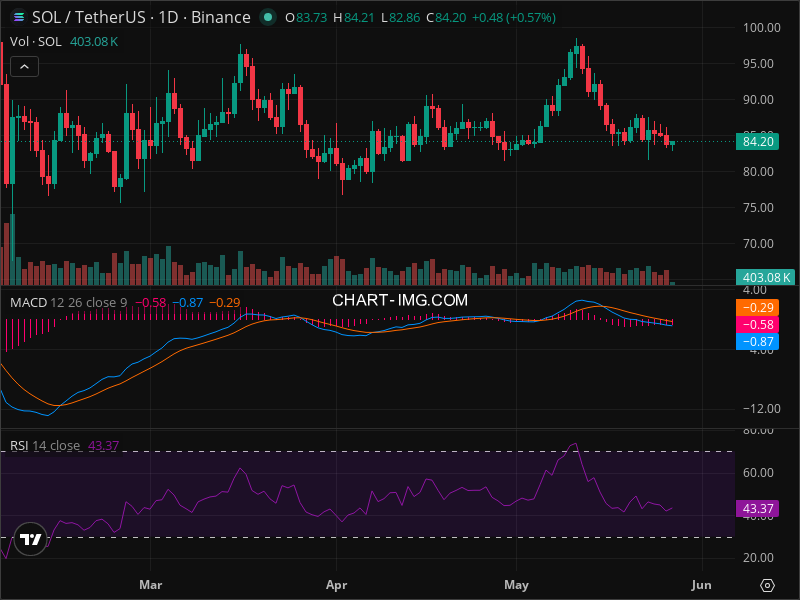
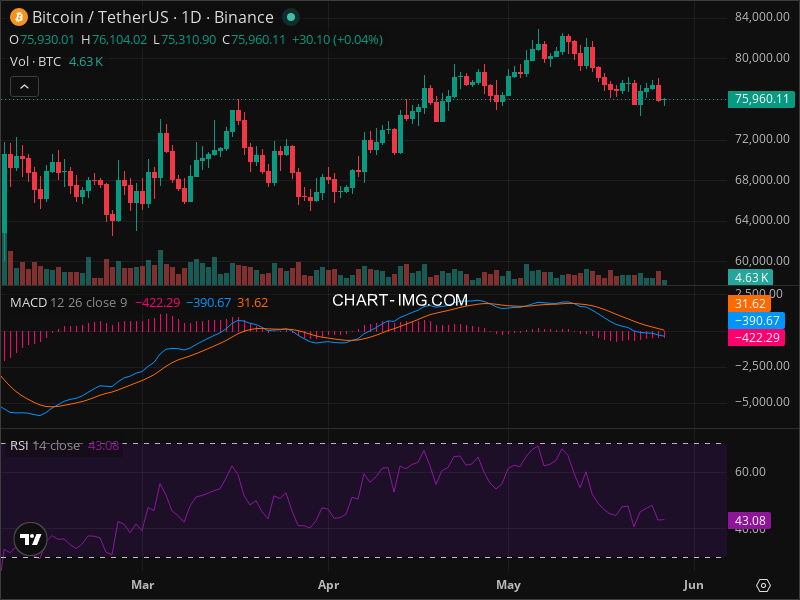
BTC Technical Analysis
May 27, 2026 | Joanna Newman

Soybeans Technical Analysis
May 27, 2026 | Joanna Newman
Live Cattle Technical Analysis
May 27, 2026 | Joanna Newman
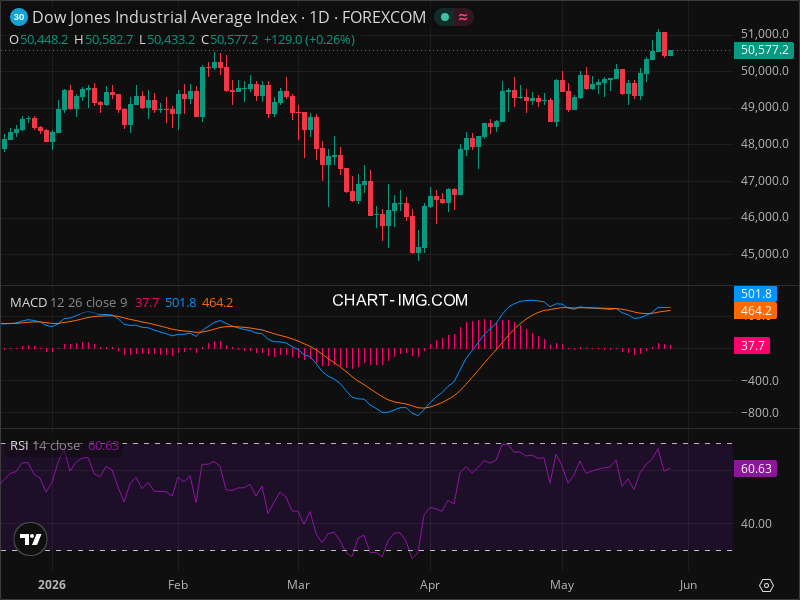
DJI Technical Analysis
May 27, 2026 | Joanna Newman
Tezos (XTZ) Review 2024: Everything You Need to Know Before Buying Tezos
.article-container { font-family: Arial, sans-serif; line-height: 1.6; color: #333; backgrou...
Chromia (CHR) Review 2024: Everything You Need to Know Before Buying Chromia
Illuvium (ILV) Review 2024: Everything You Need to Know Before Buying Illuvium
My Neighbor Alice (ALICE) Review 2024: Everything You Need to Know Before Buying My Neighbor Alice
Star Atlas (ATLAS) Review 2024: Everything You Need to Know Before Buying Star Atlas
TabTrade
What Is TabTrade? A Complete IntroductionTabTrade is a globally oriented multi-asset CFD and forex b...
Funded7
In the fast-moving world of proprietary trading, 2026 has marked a significant shift in what traders...
Bullwaves
Bullwaves Review 2026: A Premium MT5 Brokerage for Multi-Asset TradersBullwaves has quickly carved o...
BlackBull Markets
...
OQtima
Oqtima is an emerging online trading platform that offers a wide range of financial instruments, inc...
(adsbygoogle = window.adsbygoogle || []).push({}); Introduction In t...
(adsbygoogle = window.adsbygoogle || []).push({}); Einführung Wenn es um Er...
Mobi
Are you someone who makes international payments regularly using Bitcoin? Or do you travel a lot and...
Bitcoin.com
Bitcoin.com is a free downloadable Bitcoin wallet that allows users to trade and receive Bitcoins. T...
BTC.com
Created by Bitmain in 2016, BTC.com is a leading open-source Bitcoin and Bitcoin Cash storage platfo...
Bitcoin Price Analysis: Why Experts Predict a $150K Surge Despite a $2.66 Trillion Market Fear
/* Modern SEO & AI-Optimized Article Styles */ /* Fonts loaded via link tags in head for b
Solana Price Analysis: How a $127 Token Surge and AI-Driven Mania Could Signal a Major Shift
/* Modern SEO & AI-Optimized Article Styles */ /* Fonts loaded via link tags in head for b
Stablecoin Yields Uncovered: Why White House Talks Could Transform Crypto Markets
/* Modern SEO & AI-Optimized Article Styles */ /* Fonts loaded via link tags in head for b
Bitcoin Price Analysis: Why a $2.3 Trillion Crypto Slip Signals a Major Shift for Investors
/* Modern SEO & AI-Optimized Article Styles */ /* Fonts loaded via link tags in head for b
Bitcoin Price Analysis: Why Smart Money Is Pivoting to This Unknown Altcoin and What It Means for Your Portfolio
/* Modern SEO & AI-Optimized Article Styles */ /* Fonts loaded via link tags in head for b
The Top 10 Crypto Assets with the Highest Potential in 2025
.article-container { font-family: Arial, sans-serif; line-height: 1.6; color: #333; background-color
The Ultimate Bitcoin Review 2024: Everything You Need to Know Today
.article-container { font-family: Arial, sans-serif; line-height: 1.6; color: #333; background-colo
The Everyday Fruit that's a Powerhouse of Nutrition and Your Weight Loss Ally
(adsbygoogle = window.adsbygoogle || []).push({}); IntroductionWhen it comes to nutrition a
The oldest and most powerful remedy to permanently get rid of insects and ants
(adsbygoogle = window.adsbygoogle || []).push({}); IntroductionEach year, as the hot season
Two Beds, One Dream: The Growing Trend of Sleeping Apart for Better Rest
(adsbygoogle = window.adsbygoogle || []).push({}); IntroductionIn an era where quality slee
(adsbygoogle = window.adsbygoogle || []).push({}); Introduction In t...
(adsbygoogle = window.adsbygoogle || []).push({}); Einführung Wenn es um Er...
Mobi
Are you someone who makes international payments regularly using Bitcoin? Or do you travel a lot and...
Bitcoin.com
Bitcoin.com is a free downloadable Bitcoin wallet that allows users to trade and receive Bitcoins. T...
BTC.com
Created by Bitmain in 2016, BTC.com is a leading open-source Bitcoin and Bitcoin Cash storage platfo...


 Français
 Spanish
 Deutsch
 Português
 Türkçe
 Italiano
 العربية
 Русский
 Chinese
 Korean
 Japanese
 Vietnamese
 Hebrew
 Hindi
Hindi
 Greek
Greek
 Polish
 Thai
Thai
 Dutch
Dutch
 Malay
Malay




.png)
.png)
.png)













COMMENTS (0)