Create a FREE account and...
Manage your own Watchlist
Access all education lessons
Converse with other crypto enthusiasts
Be a part of the Interactive Crypto Community
OR
Please fill out the required fields Please fill out the required fields Please fill out the required fields

As the cryptocurrency world hurtles into 2026, a seismic shift is brewing that could redefine the hierarchy of blockchain giants. On January 1, 2026, the market is gripped by tension and opportunity, with Skybridge Capital’s Anthony Scaramucci boldly predicting that Solana might “flip” Ethereum in market valuation. With Ethereum trading at $2,971.96 and Solana at $124.72, and a Fear & Greed Index signaling extreme fear at a chilling 20, the stakes couldn’t be higher. This isn’t just a numbers game—it’s a battle for dominance that could shape the future of decentralized finance, NFTs, and beyond. For investors, developers, and everyday crypto enthusiasts, the question looms: could Solana’s lightning-fast transactions and low costs topple Ethereum’s empire, and what does this mean for your portfolio? Dive into this deep exploration of data, trends, and expert insights to uncover what’s really at play—and how you can position yourself for the potential upheaval ahead. For a cutting-edge perspective, check the AI analysis on both coins.
The crypto market in early 2026 is a volatile chessboard, with Bitcoin holding a commanding 57.33% dominance, signaling a risk-averse environment. Ethereum, the long-standing titan of smart contracts, sits at a market dominance of 11.77%, with its price hovering at $2,971.96 after a negligible 0.03% uptick in the last 24 hours, according to CoinGecko data. Solana, the scrappy contender, trades at $124.72, reflecting a slight 0.81% dip over the same period. Yet, beneath these numbers lies a narrative of fierce competition.
Anthony Scaramucci of Skybridge Capital recently stirred the pot by suggesting Solana could surpass Ethereum in market cap—a so-called “flippening.” His argument hinges on Solana’s superior transaction speed and cost efficiency, which have made it a darling of developers building decentralized apps (dApps) and DeFi protocols. Meanwhile, the broader market sentiment, as captured by the Fear & Greed Index at 20, suggests investors are treading cautiously, potentially creating a window for bold moves on undervalued assets like Solana.
This tension is palpable. While Ethereum’s entrenched position as the backbone of Web3 remains unchallenged for now, Solana’s rapid ecosystem growth and technological edge are turning heads. Could this be the moment where smart money starts to pivot?
For the average investor, the Solana-Ethereum rivalry isn’t just academic—it’s a critical decision point. Ethereum’s stability and vast ecosystem make it a safer bet, especially in a market dominated by fear. Its role as the foundation for most DeFi projects and NFT marketplaces means it’s unlikely to vanish overnight, even if gas fees remain a pain point for smaller players.
Solana, however, offers a tantalizing risk-reward profile. Its lower transaction costs and high throughput could attract more developers and users, driving adoption and, potentially, price appreciation. But with network outages and centralization concerns lingering, it’s not a slam dunk. Investors need to weigh whether they’re betting on a proven giant or a rising star with growing pains.
The current “Extreme Fear” sentiment suggests a buyer’s market for those with nerves of steel. If Scaramucci’s prediction holds water, early Solana investors could see outsized gains—but only if they can stomach the volatility. For deeper insights into potential price movements, get AI-powered insights on both Solana and Ethereum to inform your next move.
Ethereum’s rise to prominence is a story of first-mover advantage and relentless innovation. Launched in 2015 by Vitalik Buterin, it introduced the world to smart contracts—self-executing agreements that power everything from lending platforms to digital art auctions. Today, Ethereum hosts the lion’s share of DeFi protocols, with billions in total value locked (TVL), and remains the go-to blockchain for NFT creators and collectors.
Its transition to Proof-of-Stake (PoS) via “The Merge” in 2022 slashed energy consumption by 99.95%, per Ethereum Foundation estimates, addressing environmental criticisms and aligning with regulatory trends. Yet, scalability remains a hurdle. High gas fees during peak usage periods have frustrated users, pushing some to explore alternatives.
Enter Solana, launched in 2020 by Anatoly Yakovenko. Its unique Proof of History (PoH) consensus mechanism timestamps transactions, enabling blistering speeds—up to 65,000 transactions per second (TPS) compared to Ethereum’s 15-30 TPS pre-sharding. This, paired with transaction costs often under a penny, has made Solana a magnet for developers building high-frequency applications.
Solana’s ecosystem has exploded with DeFi projects like Serum and NFT platforms like Magic Eden. However, its journey hasn’t been flawless. Network outages in 2021 and 2022 raised questions about reliability, and critics point to a degree of centralization in its validator structure as a potential Achilles’ heel. Still, Solana’s value proposition is hard to ignore.
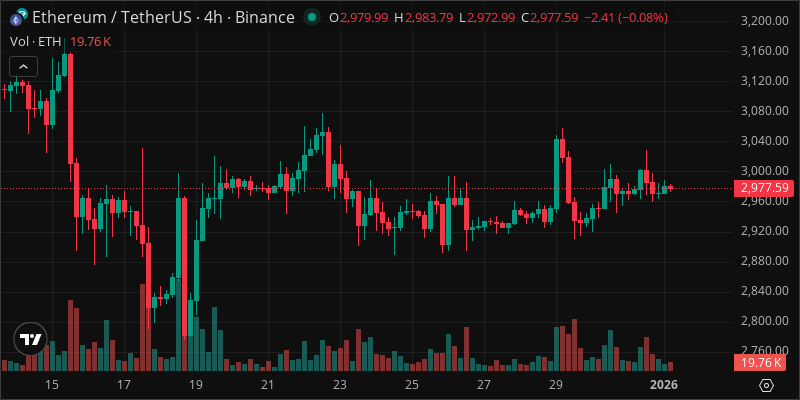
ETH Crypto Chart
Beyond technology, macroeconomic factors are shaping this rivalry. Rising interest rates and inflationary pressures in 2026 continue to squeeze risk assets, with Bitcoin’s dominance reflecting a flight to safety. Regulatory scrutiny, particularly in the U.S., could also impact both chains, especially if Solana’s centralization draws unwanted attention. Understanding these broader forces is key to predicting which blockchain might come out on top.
Industry leaders are divided on the Solana-Ethereum debate. Anthony Scaramucci of Skybridge Capital has been vocal about Solana’s potential, arguing on a recent podcast that its technical advantages could drive a valuation flip by late 2026. “Solana is the future of scalable blockchain tech,” he asserted, pointing to its growing adoption in gaming and DeFi.
Conversely, analysts at JPMorgan, as reported by Bloomberg, caution that Ethereum’s network effects are “nearly impossible to overcome.” They highlight Ethereum’s upcoming sharding upgrade, expected to boost scalability dramatically, as a game-changer that could cement its lead. Meanwhile, developers on platforms like Twitter note Solana’s appeal for smaller projects but question its stability under heavy load.
The ripple effects of this competition extend beyond price charts. If Solana gains ground, it could democratize access to blockchain tech by lowering costs for users worldwide. But if Ethereum holds firm, it might reinforce the status quo, favoring institutional players already embedded in its ecosystem.
From a financial perspective, Ethereum offers a more predictable, albeit slower-growth, investment. Its price stability relative to altcoins and deep liquidity make it a cornerstone for institutional portfolios. Hedge funds and corporations like MicroStrategy, which have historically leaned on Bitcoin, are increasingly eyeing Ethereum as a diversified bet, per recent filings reported by Reuters.
Solana, by contrast, is a high-beta play. Its price swings are sharper, but so is its upside potential if adoption accelerates. Retail investors, particularly those active in DeFi and NFTs, might find Solana’s ecosystem more accessible, especially for microtransactions. For a data-driven take on where prices might head, see AI price prediction for both assets.
Liquidity and volume are critical metrics here. Ethereum’s daily trading volume often dwarfs Solana’s, providing a buffer against sharp declines but also limiting explosive gains. Solana’s smaller market cap means it’s more sensitive to capital inflows—good news can send it soaring, but bad news can be devastating.
Another factor is staking yields. Ethereum’s PoS model offers around 4-5% annual returns for stakers, per StakingRewards data, creating a passive income stream. Solana’s staking yields are comparable, often hovering near 6%, but its network risks might deter conservative investors. Balancing these dynamics is crucial for portfolio construction.
Let’s break down the numbers. Ethereum’s Relative Strength Index (RSI) currently sits at 48, indicating neither overbought nor oversold conditions, based on TradingView data. Its Moving Average Convergence Divergence (MACD) shows a bearish crossover, hinting at potential short-term downside unless momentum shifts.
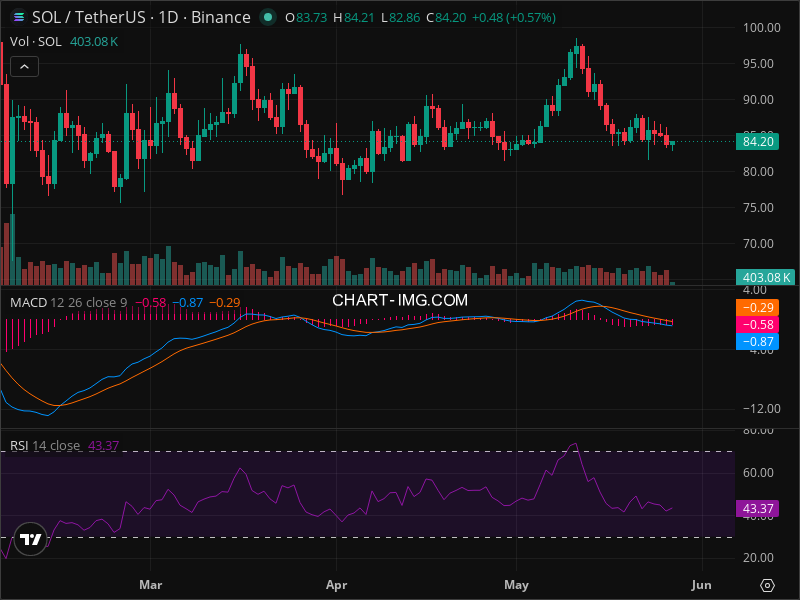
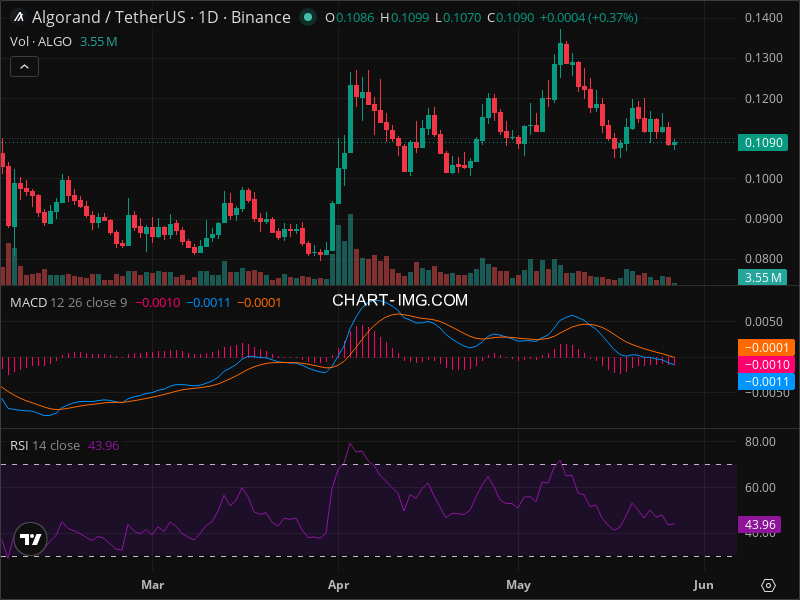
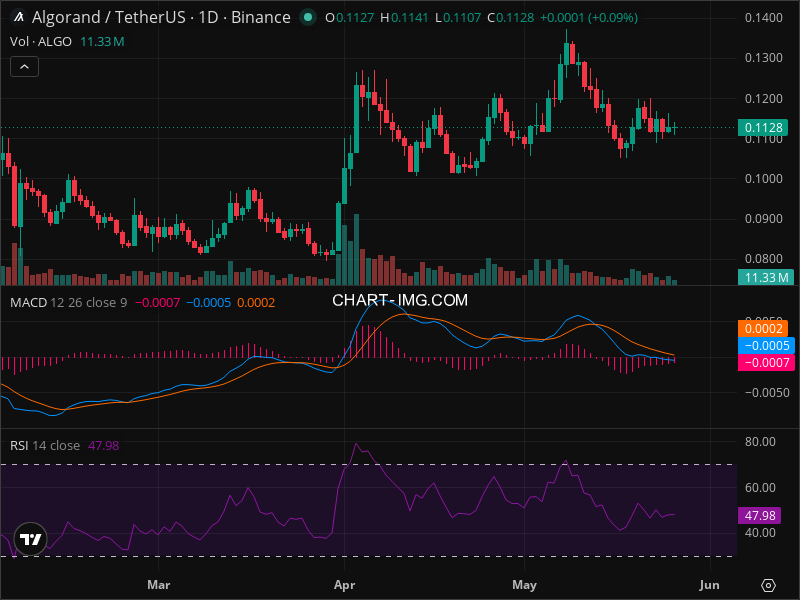
Solana’s RSI, at 42, suggests it’s closer to oversold territory—a possible buying signal for contrarians. Its MACD, however, mirrors Ethereum’s bearish trend, reflecting broader market caution. Support levels for Solana lie near $110, with resistance at $140, while Ethereum could test $2,800 if selling pressure mounts.
Here’s a snapshot of key metrics for both coins:
| Metric | Ethereum | Solana |
|---|---|---|
| Current Price | $2,971.96 | $124.72 |
| 24-Hour Change | +0.03% | -0.81% |
| RSI | 48 | 42 |
For a more granular breakdown of technical signals, view AI signals for Solana and Ethereum to spot potential entry or exit points.
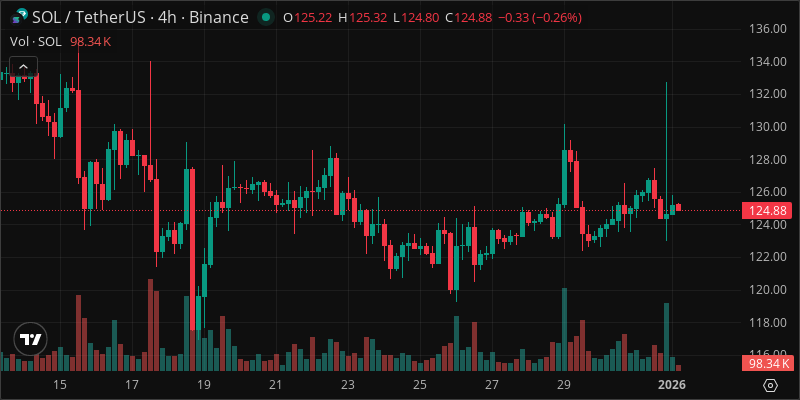
SOL Crypto Chart
Looking ahead, Ethereum’s roadmap is clear: sharding, expected in late 2026 or early 2027, could push its TPS into the thousands, rivaling Solana’s current edge. If successful, this upgrade might quash any flippening talk, as per forecasts from CoinDesk analysts. Institutional adoption, fueled by Ethereum’s regulatory alignment, could also drive its price toward $5,000 by 2027, assuming macroeconomic conditions stabilize.
Solana’s trajectory is less certain but brimming with potential. If it resolves network stability issues and continues to onboard developers, its market cap could realistically double within 18 months, especially if DeFi TVL grows. Some optimistic projections, like Scaramucci’s, see Solana hitting $300 by late 2026, though this assumes a broader altcoin rally.
Market sentiment will be a wildcard. A shift from “Extreme Fear” to neutral or greed could ignite risk-on behavior, favoring Solana. For an analytical edge on what might happen next, see what the AI predicts for both blockchains.
Regulation remains a looming specter over crypto markets. In the U.S., the Securities and Exchange Commission (SEC) continues to push for stricter oversight, with potential implications for Solana if its validator structure is deemed too centralized. Ethereum, post-Merge, aligns more closely with environmental mandates, potentially earning it a regulatory pass, as noted in recent Bloomberg reports.
Europe’s MiCA framework, fully in effect by 2026, emphasizes transparency and consumer protection, which could benefit Ethereum’s established compliance mechanisms. Meanwhile, Asia’s more relaxed stance might fuel Solana’s adoption in innovation hubs like Singapore. Investors must stay attuned to these geographic disparities, as they could tilt the competitive balance.
While possible, it’s not guaranteed. Solana would need sustained ecosystem growth, network reliability, and favorable market conditions to close the gap with Ethereum’s $350 billion-plus market cap (based on current prices). Experts like Anthony Scaramucci are optimistic, but Ethereum’s entrenched position makes a flippening a long shot without major catalysts.
Solana boasts transaction speeds of up to 65,000 TPS and costs often below $0.01, compared to Ethereum’s 15-30 TPS and higher gas fees. This makes it ideal for high-frequency dApps and microtransactions, particularly in DeFi and gaming.
Ethereum’s first-mover advantage, vast developer community, and massive TVL in DeFi and NFTs create powerful network effects. Its ongoing upgrades, like sharding, also signal a commitment to addressing scalability and cost issues.
This depends on your risk tolerance and investment horizon. Ethereum offers stability and long-term growth potential, while Solana presents higher risk but also higher reward if adoption accelerates. For data-driven guidance, get professional AI analysis to refine your strategy.
The current “Extreme Fear” reading on the Fear & Greed Index suggests investors are risk-averse, favoring established assets like Ethereum. A shift to greed could boost altcoins like Solana, as speculative capital flows in.
Regulations could make or break either blockchain. Stricter U.S. and EU rules might favor Ethereum’s eco-friendly PoS model, while Solana’s centralization risks could draw scrutiny. Monitoring policy shifts is essential for predicting outcomes.
ALL
TRENDING
WATCHLIST
Total Market Cap The Total Market Capitalization (Market Cap) is an indicator that measures the size of all the cryptocurrencies.It’s the total market value of all the cryptocurrencies' circulating supply: so it’s the total value of all the coins that have been mined.
{[{ marketcap }]} {[{ marketcapchange.toLocaleString(undefined, {maximumFractionDigits:2}) }]}% (24H) {[{ marketcapchange.toLocaleString(undefined, {maximumFractionDigits:2}) }]}% (24H)
Symbol
Price Cryptocurrency prices are volatile, and the prices change all the time. We are collecting all the data from several exchanges to provide the most accurate price available.
24H Cryptocurrency prices are volatile… The 24h % change is the difference between the current price and the price24 hours ago.
Trade
{[{ item.name }]}
{[{ index + $index}]}
{[{ item.pair.split('_')[0] }]}
Ƀ{[{item.price.toLocaleString(undefined, {maximumFractionDigits: 5}) }]} ${[{item.price.toLocaleString(undefined, {maximumFractionDigits: 5}) }]}
{[{ item.change24.toLocaleString(undefined, {maximumFractionDigits: 2}) }]}%
{[{ item.change24.toLocaleString(undefined, {maximumFractionDigits: 2}) }]}%
Symbol
Price Cryptocurrency prices are volatile, and the prices change all the time. We are collecting allthe data fromseveral exchanges to provide the most accurate price available.
24H Cryptocurrency prices are volatile… The 24h % change is the difference between the current priceand the price24 hours ago.
Trade
{[{ item.name }]}
{[{ index + $index}]}
{[{ item.pair.split('_')[0] }]}
Ƀ{[{item.price.toLocaleString(undefined, {maximumFractionDigits: 5}) }]} ${[{item.price.toLocaleString(undefined, {maximumFractionDigits: 5}) }]}
{[{ item.change24.toLocaleString(undefined, {maximumFractionDigits: 2}) }]}%
{[{ item.change24.toLocaleString(undefined, {maximumFractionDigits: 2}) }]}%
BTC Technical Analysis
May 27, 2026 | Joanna Newman

Soybeans Technical Analysis
May 27, 2026 | Joanna Newman
Live Cattle Technical Analysis
May 27, 2026 | Joanna Newman
DJI Technical Analysis
May 27, 2026 | Joanna Newman
Tezos (XTZ) Review 2024: Everything You Need to Know Before Buying Tezos
.article-container { font-family: Arial, sans-serif; line-height: 1.6; color: #333; backgrou...
Chromia (CHR) Review 2024: Everything You Need to Know Before Buying Chromia
Illuvium (ILV) Review 2024: Everything You Need to Know Before Buying Illuvium
My Neighbor Alice (ALICE) Review 2024: Everything You Need to Know Before Buying My Neighbor Alice
Star Atlas (ATLAS) Review 2024: Everything You Need to Know Before Buying Star Atlas
TabTrade
What Is TabTrade? A Complete IntroductionTabTrade is a globally oriented multi-asset CFD and forex b...
Funded7
In the fast-moving world of proprietary trading, 2026 has marked a significant shift in what traders...
Bullwaves
Bullwaves Review 2026: A Premium MT5 Brokerage for Multi-Asset TradersBullwaves has quickly carved o...
BlackBull Markets
...
OQtima
Oqtima is an emerging online trading platform that offers a wide range of financial instruments, inc...
(adsbygoogle = window.adsbygoogle || []).push({}); Introduction In t...
(adsbygoogle = window.adsbygoogle || []).push({}); Einführung Wenn es um Er...
Mobi
Are you someone who makes international payments regularly using Bitcoin? Or do you travel a lot and...
Bitcoin.com
Bitcoin.com is a free downloadable Bitcoin wallet that allows users to trade and receive Bitcoins. T...
BTC.com
Created by Bitmain in 2016, BTC.com is a leading open-source Bitcoin and Bitcoin Cash storage platfo...
Solana vs Ethereum: Could a 2026 Crypto Flippening Change Everything?
/* Modern SEO & AI-Optimized Article Styles */ /* Fonts loaded via link tags in head for b
WazirX Hack: A Major Security Breach in Indian Cryptocurrency Exchange
The world of cryptocurrency has seen another major security breach, this time involving the Indian c
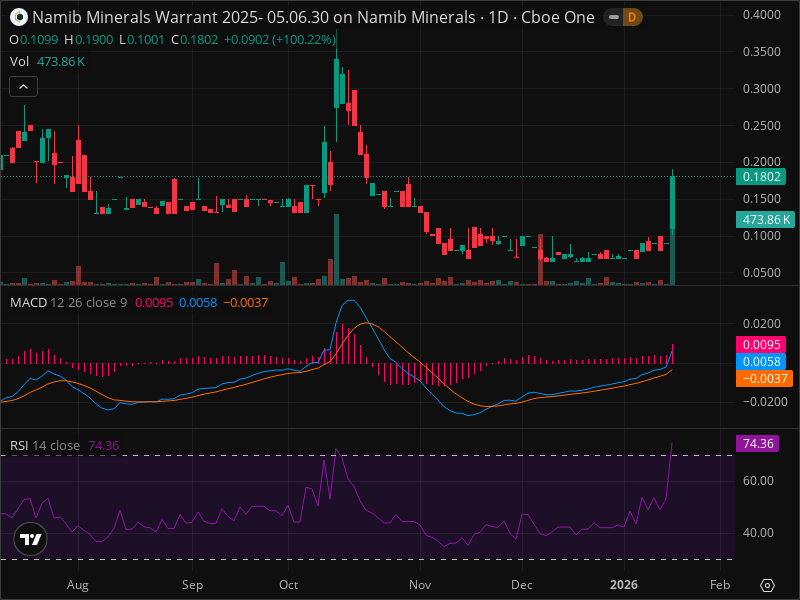
NAMMW's Stunning Ascent: Is This Just the Beginning?
NAMMW Chart | TradingView NAMMW's Stunning Ascent: Is This Just the Beginning?
Bitcoin Price Analysis: Why Extreme Fear Could Signal a Major Market Shift
/* Modern SEO & AI-Optimized Article Styles */ /* Fonts loaded via link tags in head for b
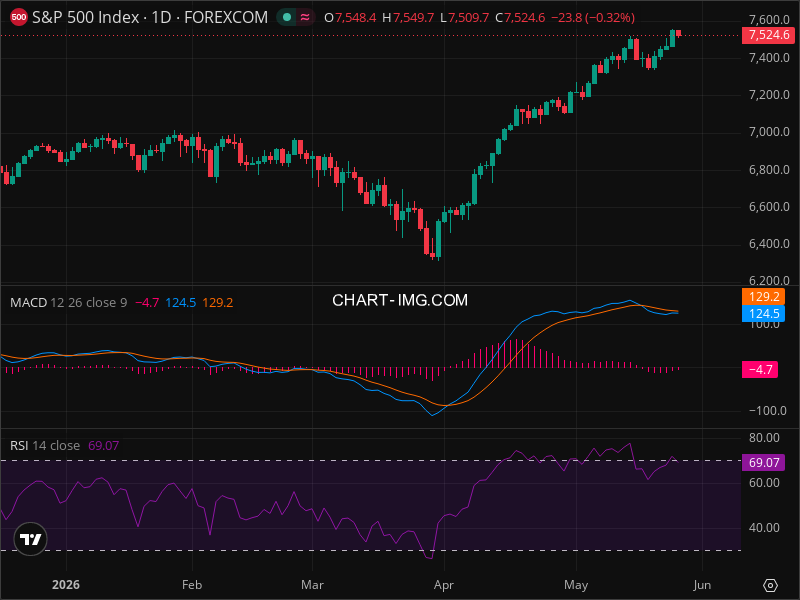
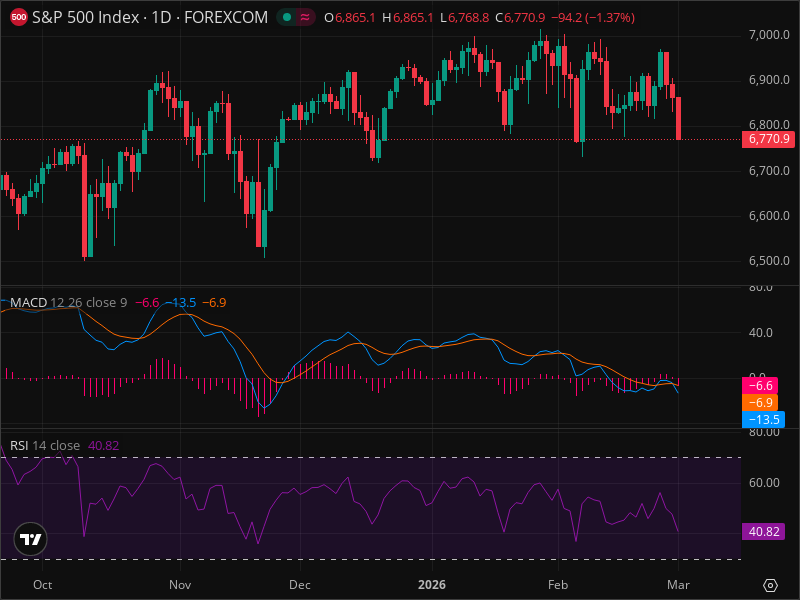
SPX at Critical Level: Why This Week Matters
SPX at Critical Level: Why This Week Matters SPX Chart | TradingView In the hi
The Top 10 Crypto Assets with the Highest Potential in 2025
.article-container { font-family: Arial, sans-serif; line-height: 1.6; color: #333; background-color
The Ultimate Bitcoin Review 2024: Everything You Need to Know Today
.article-container { font-family: Arial, sans-serif; line-height: 1.6; color: #333; background-colo
The Everyday Fruit that's a Powerhouse of Nutrition and Your Weight Loss Ally
(adsbygoogle = window.adsbygoogle || []).push({}); IntroductionWhen it comes to nutrition a
The oldest and most powerful remedy to permanently get rid of insects and ants
(adsbygoogle = window.adsbygoogle || []).push({}); IntroductionEach year, as the hot season
Two Beds, One Dream: The Growing Trend of Sleeping Apart for Better Rest
(adsbygoogle = window.adsbygoogle || []).push({}); IntroductionIn an era where quality slee
(adsbygoogle = window.adsbygoogle || []).push({}); Introduction In t...
(adsbygoogle = window.adsbygoogle || []).push({}); Einführung Wenn es um Er...
Mobi
Are you someone who makes international payments regularly using Bitcoin? Or do you travel a lot and...
Bitcoin.com
Bitcoin.com is a free downloadable Bitcoin wallet that allows users to trade and receive Bitcoins. T...
BTC.com
Created by Bitmain in 2016, BTC.com is a leading open-source Bitcoin and Bitcoin Cash storage platfo...


 Français
 Spanish
 Deutsch
 Português
 Türkçe
 Italiano
 العربية
 Русский
 Chinese
 Korean
 Japanese
 Vietnamese
 Hebrew
 Hindi
Hindi
 Greek
Greek
 Polish
 Thai
Thai
 Dutch
Dutch
 Malay
Malay



.png)
.png)
.png)















COMMENTS (0)